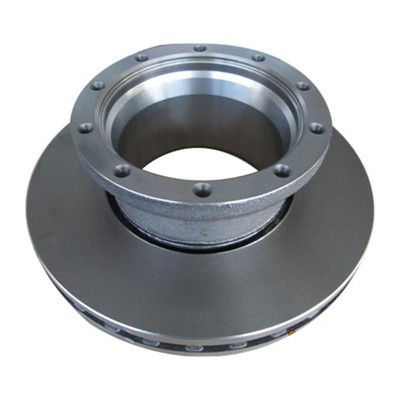
As a reputable supplier of AUDI brake discs, I understand the critical importance of optimizing their performance. Brake discs are a vital component of any vehicle's braking system, and ensuring they are in top - notch condition can significantly enhance safety, driving experience, and the overall lifespan of the vehicle. In this blog, I will share some professional insights on how to optimize the performance of AUDI brake discs.
Understanding the Basics of AUDI Brake Discs
Before delving into optimization strategies, it's essential to understand the basic structure and function of AUDI brake discs. An AUDI brake disc is a circular metal component attached to the wheel hub. When the brakes are applied, brake pads clamp onto the brake disc, creating friction. This friction converts the kinetic energy of the moving vehicle into heat energy, which slows down or stops the wheels.
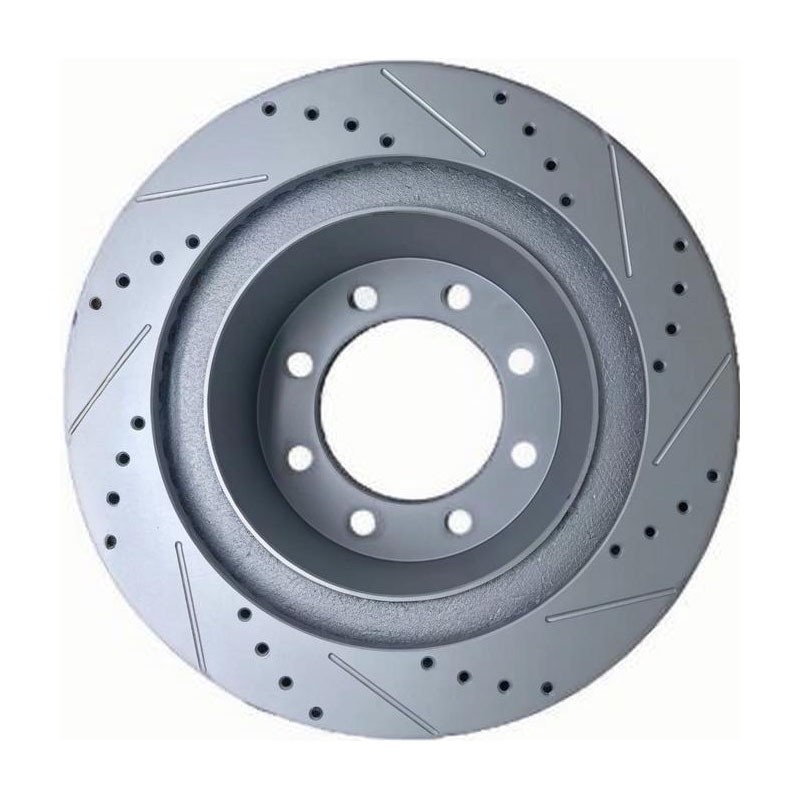
AUDI uses different types of brake discs in its various models, including solid discs, ventilated discs, and drilled or slotted discs. Solid discs are the most basic type and are commonly found in smaller or less - performance - oriented vehicles. Ventilated discs have a series of internal vanes that help dissipate heat more efficiently, making them suitable for high - performance models or vehicles that frequently operate in demanding conditions. Drilled and slotted discs offer additional benefits, such as improved wet - weather braking by helping to expel water and gas from the brake pad - disc interface and reducing the risk of brake fade.
Selecting the Right Brake Discs
One of the first steps in optimizing the performance of AUDI brake discs is choosing the correct ones for your vehicle. Each AUDI model has specific requirements for brake discs in terms of size, thickness, and material. Using the wrong type of brake disc can lead to sub - optimal performance, increased wear and tear, and even safety hazards.
When selecting brake discs, consider the following factors:
- Vehicle Model and Trim: Different AUDI models and trims have different braking requirements. Consult your vehicle's owner's manual or a professional mechanic to determine the exact specifications for your brake discs.
- Driving Style: If you have an aggressive driving style, you may need high - performance brake discs that can handle the increased stress and heat generated during hard braking. On the other hand, if you drive more conservatively, standard brake discs may be sufficient.
- Environmental Conditions: If you live in an area with a lot of rain, snow, or extreme temperatures, you may need brake discs that are more resistant to corrosion and heat. For example, Toyota Brake Disc and Toyota Floating Carbon BrakeDiscs are designed to perform well in various environmental conditions, and similar high - quality options are available for AUDI.
Proper Installation and Maintenance
Even the highest - quality brake discs will not perform optimally if they are not installed correctly or maintained properly. Here are some key points to keep in mind:
- Professional Installation: Brake discs should always be installed by a qualified mechanic. Incorrect installation can lead to uneven braking, premature wear, and other problems. A professional mechanic will ensure that the brake discs are properly aligned, torqued, and bedded in.
- Regular Inspection: Regularly inspect your AUDI brake discs for signs of wear, damage, or corrosion. Look for cracks, grooves, or uneven wear patterns on the surface of the disc. If you notice any issues, have the brake discs inspected and replaced as necessary.
- Brake Pad Replacement: Brake pads and brake discs work together as a system. Over time, brake pads will wear out and need to be replaced. It's important to replace the brake pads at the recommended intervals to prevent excessive wear on the brake discs. Additionally, using high - quality brake pads that are compatible with your brake discs can improve performance and extend the lifespan of both components.
###Managing Heat and Friction
Heat and friction are the two main factors that affect the performance of brake discs. Excessive heat can cause the brake discs to warp, crack, or experience brake fade, which reduces their effectiveness. Therefore, managing heat and friction is crucial for optimizing brake disc performance.
- Heat Dissipation: As mentioned earlier, ventilated, drilled, or slotted brake discs are better at dissipating heat than solid discs. If you frequently drive in heavy traffic, on mountain roads, or in other conditions that put a lot of stress on the brakes, consider upgrading to one of these types of brake discs. Regularly cleaning the brake discs and ensuring proper airflow around them can also help with heat dissipation.
- Friction Management: The coefficient of friction between the brake pads and the brake discs determines how effectively the brakes can slow down the vehicle. Using the right combination of brake pads and brake discs is essential for achieving the optimal friction level. Some brake pads are designed for high - performance applications with a higher coefficient of friction, while others are more suitable for daily driving with a lower, but more consistent, friction level.
Comparing with Other Brands
Looking at other brands can also provide valuable insights into optimizing AUDI brake disc performance. For example, Chevy Brake Discs have their own design features for efficient braking. By analyzing the features of brake discs from different brands, we can draw inspiration for improvement. Modern brake disc designs often incorporate advanced materials and manufacturing techniques. Some AUDI models can potentially benefit from learning about the manufacturing processes used in other brands, such as innovative heat - treating methods or advanced alloy compositions.
Conclusion
Optimizing the performance of AUDI brake discs involves a combination of proper selection, installation, maintenance, and management of heat and friction. As a supplier of AUDI brake discs, I am committed to providing high - quality products that meet the unique needs of each vehicle and driver. If you are looking to optimize your AUDI's braking performance, whether it's for daily commuting, high - performance driving, or simply ensuring safety, I encourage you to reach out to us for further discussions on purchasing the most suitable brake discs for your vehicle. We can help you make an informed decision and provide you with the best products and services in the market.

References
- Bosch Automotive Handbook, 8th Edition.
- Chilton's Audi Repair Manual.
- SAE International Publications on Vehicle Braking Systems.