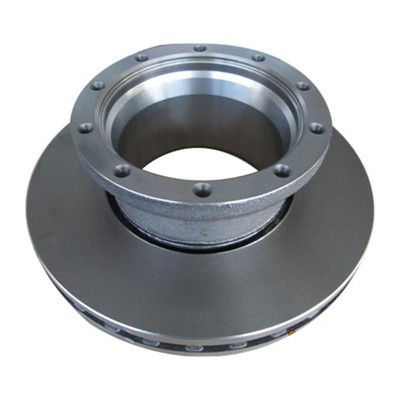
When it comes to ensuring the safety and performance of your Audi, the brake system stands as one of the most critical components. Among the key elements of the brake system, the brake discs play a pivotal role in bringing your vehicle to a halt. As an established supplier of AUDI Brake Disc, I understand the importance of having reliable brake discs, and I often encounter customers who are interested in purchasing used Audi brake discs. In this blog, I'll share some insights on how to tell if a used Audi brake disc is still in good condition.
Visual Inspection
The first step in evaluating a used Audi brake disc is a thorough visual inspection. Start by looking at the surface of the disc. A healthy brake disc should have a smooth and even surface. If you notice deep grooves, scoring, or cracks, it's a clear sign that the disc has seen significant wear and tear. Grooves can be caused by the brake pads rubbing against the disc over time, and if they are too deep, they can reduce the effectiveness of the braking system.
Cracks, on the other hand, are a serious issue. Even small cracks can propagate under the stress of braking, leading to a potentially catastrophic failure. Check the edges of the disc as well. If the edges are rounded or have a lip, it indicates that the disc has worn down beyond its recommended thickness.
Another aspect to consider during the visual inspection is the color of the disc. A normal brake disc should have a consistent metallic color. If you see areas that are discolored, such as blue or black spots, it could be a sign of overheating. Overheating can cause the disc to warp, which will affect the braking performance and lead to uneven wear on the brake pads.
Measuring the Thickness
In addition to the visual inspection, measuring the thickness of the brake disc is crucial. Each Audi model has a specified minimum thickness for its brake discs. You can find this information in the vehicle's owner's manual or by consulting the manufacturer's specifications.


To measure the thickness of the brake disc, you'll need a micrometer. Take measurements at multiple points around the disc to ensure accuracy. If the measured thickness is close to or below the minimum specification, it's time to replace the disc. Continuing to use a brake disc that is too thin can compromise the braking performance and pose a safety risk.
Checking for Warping
Warping is a common problem with brake discs, especially in used vehicles. A warped disc can cause vibrations when braking, which can be felt through the steering wheel or the brake pedal. To check for warping, you can use a dial indicator. Mount the dial indicator on a stable surface, such as the caliper bracket, and position the probe against the surface of the disc. Rotate the disc slowly and observe the movement of the dial. If the dial shows more than the recommended amount of runout, the disc is likely warped and should be replaced.
Another way to check for warping is by feeling the brake pedal when applying the brakes. If you notice a pulsation or a spongy feel, it could be a sign of a warped disc. However, this method is less accurate than using a dial indicator and may not detect minor warping.
Assessing the Friction Material Bond
The friction material on the brake disc is what provides the stopping power. If the friction material is loose or has separated from the disc, it will significantly affect the braking performance. Check the edges of the friction material for any signs of separation or delamination. You can also gently tap the disc with a rubber mallet and listen for any rattling sounds, which could indicate a loose friction material.
Considering the Mileage and Usage
The mileage and usage of the vehicle can also give you an idea of the condition of the brake disc. A used Audi that has been driven mostly in stop-and-go traffic or has a high mileage is more likely to have worn brake discs. On the other hand, a vehicle that has been driven mostly on highways may have less wear on the brake discs.
However, it's important to note that mileage is not the only factor to consider. Aggressive driving, such as frequent hard braking or towing heavy loads, can also accelerate the wear of the brake discs. If possible, try to get information about the vehicle's driving history from the previous owner.
Comparing with New Brake Discs
If you're still unsure about the condition of a used Audi brake disc, you can compare it with a new one. As a supplier of AUDI Brake Disc, I have access to new brake discs that meet the original equipment manufacturer (OEM) specifications. By comparing the used disc with a new one, you can easily spot any differences in terms of surface finish, thickness, and overall condition.
Conclusion
Determining whether a used Audi brake disc is still good requires a combination of visual inspection, measurement, and assessment of the driving history. By following the steps outlined in this blog, you can make an informed decision about the condition of the brake disc and ensure the safety and performance of your Audi.
If you're in the market for high-quality Audi brake discs, whether new or used, I'm here to help. As a trusted supplier, I offer a wide range of AUDI Brake Disc that are designed to meet the strictest standards. We also provide Chevy Brake Discs and Volvo Brake Discs for those who own other vehicle makes.
If you have any questions or would like to discuss your brake disc needs, please don't hesitate to reach out. I'm always happy to assist you in finding the right brake discs for your vehicle.
References
- Audi Owner's Manuals
- Audi Manufacturer's Specifications
- Automotive Repair Manuals