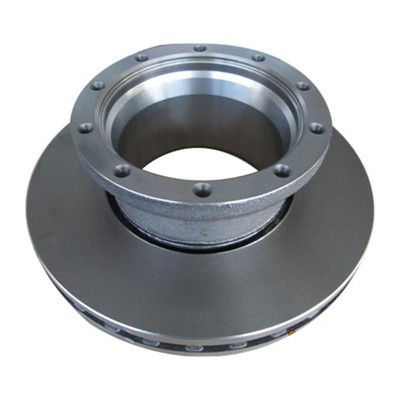
As a seasoned supplier of truck brake discs, I've witnessed firsthand the remarkable evolution of brake technology over the years. Among the various types of brake discs available in the market, ceramic truck brake discs have emerged as a game-changer, offering a multitude of advantages that make them an ideal choice for modern trucks. In this blog post, I'll delve into the key benefits of ceramic truck brake discs and explain why they are becoming increasingly popular among truck owners and fleet managers.
Superior Heat Resistance
One of the most significant advantages of ceramic truck brake discs is their exceptional heat resistance. When a truck is in motion, the brakes generate a tremendous amount of heat as they slow down or stop the vehicle. This heat can cause traditional brake discs to warp, crack, or fade, leading to reduced braking performance and increased safety risks. Ceramic brake discs, on the other hand, are made from advanced ceramic materials that can withstand extremely high temperatures without losing their structural integrity.
Ceramic materials have a much higher melting point than traditional cast iron or steel brake discs. This means that they can handle the intense heat generated during heavy braking without warping or cracking. As a result, ceramic brake discs maintain their shape and performance even under the most demanding conditions, providing consistent and reliable braking power.


Reduced Wear and Tear
Another major advantage of ceramic truck brake discs is their low wear rate. Traditional brake discs are prone to wear and tear over time, especially when used in heavy-duty applications. This wear can lead to decreased braking performance, increased noise, and the need for frequent brake pad replacements. Ceramic brake discs, however, are much more durable and resistant to wear.
The smooth surface of ceramic brake discs reduces friction between the brake pads and the disc, resulting in less wear on both components. This not only extends the lifespan of the brake discs but also reduces the frequency of brake pad replacements, saving truck owners time and money in the long run. Additionally, the reduced wear and tear on ceramic brake discs mean that they produce less dust and debris, which helps to keep the wheels and brakes clean and reduces the risk of corrosion.
Improved Braking Performance
Ceramic truck brake discs offer superior braking performance compared to traditional brake discs. The advanced ceramic materials used in these discs provide better friction and grip, allowing for shorter stopping distances and more precise braking control. This is particularly important for trucks, which often carry heavy loads and require reliable braking power to ensure the safety of the driver and other road users.
In addition to their improved friction and grip, ceramic brake discs also offer better modulation, which means that the driver can apply the brakes more smoothly and gradually. This is especially beneficial in situations where precise braking control is required, such as when driving on slippery roads or in heavy traffic.
Quieter Operation
One of the most noticeable advantages of ceramic truck brake discs is their quiet operation. Traditional brake discs can produce a lot of noise, especially when they are worn or dirty. This noise can be a nuisance to the driver and passengers, as well as to other road users. Ceramic brake discs, however, are designed to operate quietly, thanks to their smooth surface and low friction coefficient.
The reduced noise level of ceramic brake discs not only makes for a more comfortable driving experience but also helps to reduce noise pollution in the environment. This is particularly important for trucks that operate in urban areas or near residential neighborhoods.
Environmental Friendliness
Ceramic truck brake discs are also more environmentally friendly than traditional brake discs. The reduced wear and tear on ceramic brake discs means that they produce less dust and debris, which helps to reduce air pollution. Additionally, the longer lifespan of ceramic brake discs means that they need to be replaced less frequently, which reduces the amount of waste generated by the automotive industry.
In addition to their environmental benefits, ceramic brake discs are also made from sustainable materials that are recyclable. This means that they can be reused at the end of their lifespan, further reducing their environmental impact.
Cost-Effectiveness
While ceramic truck brake discs may have a higher upfront cost than traditional brake discs, they offer significant cost savings in the long run. The reduced wear and tear on ceramic brake discs means that they need to be replaced less frequently, which reduces the cost of maintenance and replacement parts. Additionally, the improved braking performance of ceramic brake discs can help to reduce the risk of accidents, which can save truck owners money on insurance premiums and repair costs.
In addition to their cost savings, ceramic brake discs can also improve the resale value of a truck. The advanced technology and superior performance of ceramic brake discs are attractive to potential buyers, which can help to increase the value of the vehicle when it comes time to sell.
Conclusion
In conclusion, ceramic truck brake discs offer a multitude of advantages that make them an ideal choice for modern trucks. Their superior heat resistance, reduced wear and tear, improved braking performance, quiet operation, environmental friendliness, and cost-effectiveness make them a smart investment for truck owners and fleet managers who are looking for reliable and high-performance braking solutions.
If you're in the market for truck brake discs, I highly recommend considering ceramic brake discs. As a leading supplier of Semi Truck Brake Disc, Heavy Duty Vehicle Brake Discs, and Commercial Truck Brake Discs, I have the expertise and experience to help you choose the right brake discs for your specific needs. Contact me today to learn more about our ceramic truck brake discs and to discuss your options for purchasing.
References
- Automotive Brake Systems Handbook, by John C. Dixon
- Brake Friction Materials: Fundamentals and Applications, by Rajesh K. Singh
- The Science of Vehicle Dynamics, by Thomas D. Gillespie