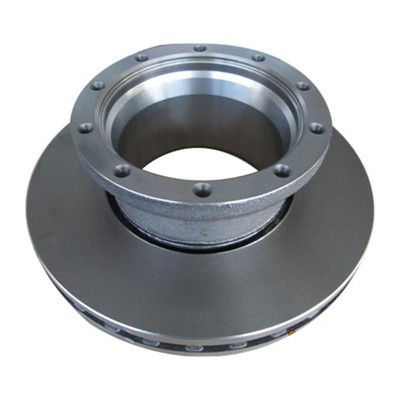
Driving with worn-out car brake discs is a serious issue that can have far-reaching consequences. As a car brake disc supplier, I've seen firsthand the problems that worn brake discs can cause. In this blog, I'll break down the various consequences of driving with these worn components and why it's crucial to replace them in a timely manner.
Reduced Braking Performance
One of the most immediate consequences of driving with worn-out brake discs is reduced braking performance. Brake discs work in conjunction with brake pads to slow down and stop your vehicle. When the brake discs are worn, their surface becomes uneven and may develop grooves or cracks. This uneven surface reduces the contact area between the brake pads and the discs, which in turn reduces the friction needed to stop the car effectively.
You might notice that it takes longer to stop your vehicle, especially at higher speeds. For example, if you usually stop within a certain distance when applying the brakes on a dry road, with worn brake discs, you'll find that your car travels further before coming to a halt. This can be extremely dangerous, especially in emergency situations where every second and every inch of stopping distance counts.
Increased Stopping Distance
The reduced braking performance directly leads to an increased stopping distance. As the brake discs wear down, the force exerted by the brake pads on the discs decreases. This means that more time and distance are required to decelerate the vehicle to a complete stop.
Let's say you're driving on a highway at 60 miles per hour. Under normal circumstances, your car should be able to stop within a reasonable distance when you apply the brakes. However, with worn brake discs, the stopping distance can increase significantly. This puts you and other road users at a higher risk of being involved in a collision.
Overheating and Brake Fade
Worn brake discs are more prone to overheating. When the surface of the brake disc is uneven, the heat generated during braking is not distributed evenly. This can cause hot spots to form on the disc, which can lead to a phenomenon known as brake fade.
Brake fade occurs when the brakes lose their effectiveness due to excessive heat. When the brake discs overheat, the brake pads can start to glaze over, reducing their ability to grip the discs. This results in a further decrease in braking performance, making it even more difficult to stop the vehicle.
Noise and Vibration
Another consequence of driving with worn-out brake discs is the presence of noise and vibration. As the brake discs wear, they can develop a rough surface, which can cause a squealing or grinding noise when you apply the brakes. This noise is not only annoying but also a clear indication that something is wrong with your brakes.
In addition to the noise, you may also feel a vibration in the steering wheel or the brake pedal when you apply the brakes. This vibration is caused by the uneven surface of the brake discs, which can cause the brake pads to vibrate as they make contact with the discs. The vibration can be a sign of severe wear and should not be ignored.
Damage to Other Brake Components
Worn brake discs can also cause damage to other brake components. The uneven surface of the discs can cause excessive wear on the brake pads, reducing their lifespan. In addition, the increased heat generated by the worn discs can also damage the brake calipers and other hydraulic components of the braking system.
Replacing the brake discs in a timely manner can help prevent damage to these other components, saving you money in the long run. If you continue to drive with worn brake discs, you may end up having to replace not only the discs but also the brake pads, calipers, and other parts of the braking system.
Safety Risks
Ultimately, the most significant consequence of driving with worn-out brake discs is the increased safety risk. As we've discussed, reduced braking performance, increased stopping distance, overheating, and damage to other brake components all contribute to a higher likelihood of being involved in a collision.
Your brakes are one of the most important safety features of your vehicle. They are responsible for keeping you and your passengers safe on the road. Ignoring the signs of worn brake discs can put your life and the lives of others at risk.
Importance of Regular Brake Inspections
As a car brake disc supplier, I cannot stress enough the importance of regular brake inspections. By having your brakes inspected regularly, you can catch any signs of wear and tear early on and replace the brake discs before they cause serious problems.
Most manufacturers recommend having your brakes inspected at least once a year or every 12,000 - 15,000 miles, depending on your driving habits. During a brake inspection, a qualified mechanic will check the thickness of the brake discs, the condition of the brake pads, and the overall performance of the braking system.
Choosing the Right Brake Discs
When it comes time to replace your brake discs, it's important to choose the right ones for your vehicle. There are many different types of brake discs available on the market, each with its own advantages and disadvantages.
For example, Volvo Brake Discs are specifically designed to meet the high standards of Volvo vehicles. They offer excellent braking performance and durability, ensuring that your Volvo stops safely and smoothly.


If you own a Toyota, Toyota Floating Carbon BrakeDiscs are a great option. These discs are made from high-quality carbon materials, which provide superior heat dissipation and braking performance.
And for Audi owners, AUDI Brake Disc are engineered to deliver optimal performance and reliability. They are designed to fit perfectly with your Audi's braking system, ensuring a seamless and safe driving experience.
Conclusion
Driving with worn-out car brake discs is a serious issue that can have a number of negative consequences, including reduced braking performance, increased stopping distance, overheating, noise and vibration, damage to other brake components, and most importantly, increased safety risks.
As a car brake disc supplier, I encourage you to take care of your brakes and have them inspected regularly. If you notice any signs of wear or if you have any concerns about your braking system, don't hesitate to replace the brake discs.
Choosing the right brake discs for your vehicle is also crucial. By selecting high-quality brake discs from a reputable supplier, you can ensure that your vehicle stops safely and reliably.
If you're in the market for new brake discs, I'd love to help you find the perfect fit for your car. Contact me today to discuss your options and start the procurement process.
References
- Automotive Brake Systems Handbook
- National Highway Traffic Safety Administration (NHTSA) reports on brake safety
- Manufacturer's guidelines for brake maintenance and replacement