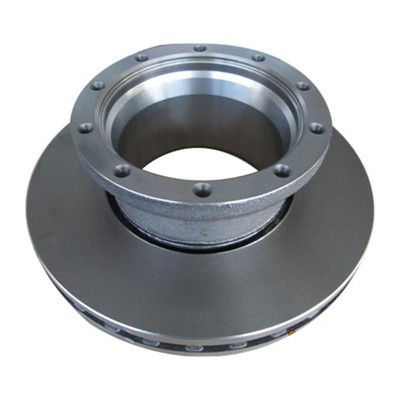
As a car brake shoes supplier, I've spent years in the automotive industry, witnessing the evolution and preferences in brake shoe technology. Organic car brake shoes have long been a popular choice among consumers due to their relatively low cost, quiet operation, and environmental friendliness. However, like any product, they come with their fair share of disadvantages. In this blog, I'll delve into the drawbacks of organic car brake shoes, providing insights that can help you make informed decisions when it comes to choosing the right brake shoes for your vehicles.
1. Limited Heat Resistance
One of the most significant disadvantages of organic car brake shoes is their limited heat resistance. Organic brake shoes are typically made from a mixture of natural fibers, such as rubber, glass, and Kevlar, bonded together with a resin. While these materials provide good initial braking performance and are relatively quiet, they tend to break down under high temperatures.
When you apply the brakes, the friction between the brake shoes and the brake drum or rotor generates heat. In normal driving conditions, the heat is dissipated quickly, and the brake shoes can function effectively. However, during heavy braking or continuous use, such as when driving down a steep hill or in stop-and-go traffic, the temperature can rise significantly. Organic brake shoes may start to glaze over or even burn, leading to a decrease in braking performance.
Glazing occurs when the organic materials in the brake shoes melt and form a hard, smooth surface. This reduces the friction between the brake shoes and the brake drum or rotor, making it more difficult to stop the vehicle. In severe cases, the brakes may fail completely, posing a serious safety risk. Moreover, once the brake shoes are glazed, they often need to be replaced, which can be costly and inconvenient.
2. Shorter Lifespan
Another drawback of organic car brake shoes is their shorter lifespan compared to other types of brake shoes, such as semi-metallic or ceramic brake shoes. The organic materials used in these brake shoes are more prone to wear and tear, especially under harsh driving conditions.


The soft nature of organic brake shoes means that they wear down more quickly than their counterparts. This is because the friction generated during braking causes the organic fibers to break down and wear away. As a result, you may need to replace your organic brake shoes more frequently, increasing the overall cost of ownership.
In addition to normal wear and tear, organic brake shoes are also more susceptible to damage from contaminants. For example, exposure to oil, grease, or water can degrade the organic materials and reduce their effectiveness. This means that you need to be more careful when maintaining your brakes and avoid getting them wet or contaminated.
3. Lower Friction Coefficient
Organic car brake shoes generally have a lower friction coefficient than semi-metallic or ceramic brake shoes. The friction coefficient is a measure of how well the brake shoes can grip the brake drum or rotor to stop the vehicle. A higher friction coefficient means better braking performance.
The lower friction coefficient of organic brake shoes means that they may require more pedal effort to achieve the same level of braking force as other types of brake shoes. This can be especially noticeable in larger or heavier vehicles, where more braking power is needed. In some cases, the reduced braking performance may not be sufficient to stop the vehicle safely, especially in emergency situations.
Furthermore, the lower friction coefficient of organic brake shoes can also affect their performance in wet conditions. Water can reduce the friction between the brake shoes and the brake drum or rotor, making it even more difficult to stop the vehicle. This is a significant safety concern, as wet roads are a common cause of accidents.
4. Dust and Noise Generation
Although organic car brake shoes are known for their quiet operation, they can still generate a significant amount of dust. The organic materials in the brake shoes break down during braking, producing fine particles of dust that can accumulate on the wheels and brake components. This not only makes your wheels look dirty but can also cause damage to the brake system over time.
The dust generated by organic brake shoes can also be a health hazard. Inhalation of brake dust can cause respiratory problems, especially for people with allergies or asthma. Moreover, the dust can contaminate the environment, contributing to air pollution.
In some cases, organic brake shoes may also produce noise, especially when they are worn or glazed. The noise can range from a mild squeal to a loud screech, which can be annoying for both the driver and passengers. This is another factor to consider when choosing brake shoes for your vehicle.
5. Incompatibility with Some Vehicles
Finally, organic car brake shoes may not be suitable for all vehicles. Some high-performance or heavy-duty vehicles require brake shoes with higher heat resistance and braking performance, which organic brake shoes may not be able to provide.
For example, sports cars and luxury vehicles often have more powerful engines and higher speeds, which means they need better braking systems to ensure safety. Organic brake shoes may not be able to handle the high temperatures and braking forces generated by these vehicles, leading to reduced performance and potential safety issues.
Similarly, commercial vehicles, such as trucks and buses, require brake shoes that can withstand heavy use and provide reliable braking performance. Organic brake shoes may not be durable enough for these applications, and they may need to be replaced more frequently, increasing the operating costs.
Conclusion
While organic car brake shoes have their advantages, such as low cost, quiet operation, and environmental friendliness, they also come with several disadvantages. These include limited heat resistance, shorter lifespan, lower friction coefficient, dust and noise generation, and incompatibility with some vehicles. As a car brake shoes supplier, I understand the importance of choosing the right brake shoes for your vehicle. It's essential to consider your driving habits, vehicle type, and budget when making a decision.
If you're looking for high-quality brake shoes that offer better performance and durability, I recommend considering semi-metallic or ceramic brake shoes. However, if you're on a tight budget and your driving conditions are relatively mild, organic brake shoes may still be a suitable option.
If you have any questions or would like to discuss your brake shoe needs further, please feel free to contact me for more information and to start a procurement discussion. I'm here to help you find the best brake shoes for your vehicles.
References
- Bosch Automotive Handbook, 7th Edition
- Chilton's Automotive Repair Manuals
- Society of Automotive Engineers (SAE) Publications