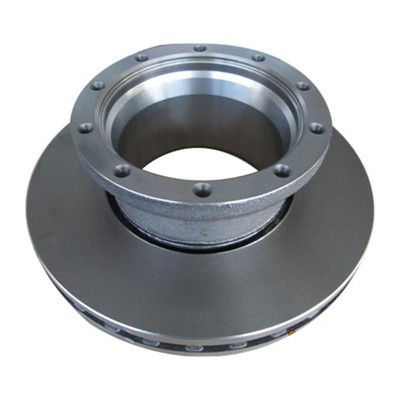
Hey there, fellow car enthusiasts! As a long - time car brake pads supplier, I've seen it all when it comes to the tell - tale signs of bad brake pads. In this blog, I'll share some of the most common symptoms that your brake pads might be on their last legs. So, buckle up and let's dive in!
Squealing or Squeaking Noises
One of the first and most obvious signs that your brake pads are wearing out is a high - pitched squealing or squeaking noise when you apply the brakes. This sound is actually a built - in feature in many brake pads. They have a small metal indicator called a wear indicator. When the brake pads start to get thin, this wear indicator rubs against the brake rotor, creating that annoying noise. It's like your car's way of saying, "Hey, it's time to check those brake pads!"
If you hear this noise, don't ignore it. Continuing to drive with worn - out brake pads can lead to more serious problems, like damaging the brake rotors. And replacing rotors is a lot more expensive than just changing the brake pads.
Grinding Noises
Now, if the squealing turns into a grinding noise, that's a major red flag. Grinding means that the brake pads have worn down completely, and the metal backing of the brake pads is now rubbing directly against the brake rotors. This is extremely dangerous because it not only ruins the rotors but also significantly reduces your braking performance.
Imagine trying to stop your car when the brakes aren't working properly. It could lead to accidents, and no one wants that. So, as soon as you hear that grinding sound, pull over safely and get your brakes checked immediately.
Longer Stopping Distances
Another sign of bad brake pads is an increase in your car's stopping distance. You know how your car used to stop quickly when you hit the brakes? Well, if it now takes longer to come to a complete stop, it could be due to worn - out brake pads.
As the brake pads wear down, they lose their ability to grip the rotors effectively. This means that it takes more time and distance for your car to stop. If you notice this happening, it's a good idea to have your brake pads inspected. You can test this by driving at a safe speed and then gently applying the brakes. Compare the stopping distance to what you're used to. If there's a significant difference, it's time to act.
Vibration or Pulsation When Braking
Do you feel a vibration or pulsation in the brake pedal when you apply the brakes? This could be a sign that the brake pads are unevenly worn or that there's a problem with the brake rotors. Unevenly worn brake pads can cause the brakes to grab and release unevenly, leading to that vibration.
If the rotors are warped, they can also cause this pulsation. Warped rotors are often a result of overheating, which can happen if you use your brakes too aggressively or if the brake pads are worn out and not dissipating heat properly. Either way, a vibrating brake pedal is something you don't want to ignore.
Dashboard Warning Light
Most modern cars are equipped with a brake warning light on the dashboard. If this light comes on, it could indicate a problem with the brake pads or other brake components. Sometimes, it might just be a loose connection or a minor issue, but it's always best to have it checked out.
The warning light is there for a reason, and it's your car's way of letting you know that something isn't right with the brakes. Don't just assume that it will go away on its own. Get your car to a mechanic or check the brakes yourself if you're handy with cars.
Soft or Spongy Brake Pedal
A soft or spongy brake pedal is another sign that your brake pads might be in trouble. When you press the brake pedal, it should feel firm and responsive. If it feels like you're pressing on a sponge, it could mean that there's air in the brake lines or that the brake pads are worn out.
Air in the brake lines can cause a loss of pressure, which makes the brake pedal feel soft. Worn - out brake pads can also contribute to this problem because they can't generate enough friction to stop the car effectively. If you experience a soft brake pedal, it's important to get it fixed right away.
Uneven Brake Pad Wear
When you have your brakes inspected, the mechanic might notice that the brake pads are wearing unevenly. This can happen for a few reasons. One common cause is a problem with the brake calipers. If a caliper isn't working properly, it might not apply the same amount of pressure to all the brake pads.
Another reason could be a misaligned wheel or a problem with the suspension. Uneven brake pad wear not only reduces the lifespan of the brake pads but also affects the braking performance. So, if you notice that one set of brake pads is wearing out faster than the others, it's something to look into.
Why Choose Our Brake Pads?
As a brake pads supplier, I can tell you that we offer high - quality brake pads that are designed to last. Our Passenger Car Brake Pads are made from the best materials and are tested to ensure optimal performance. Whether you drive a BUICK or an ALPINA, we have the right brake pads for your vehicle.
Our brake pads are engineered to provide excellent stopping power, reduce noise, and resist wear. We understand that safety is your top priority when it comes to your car, and that's why we take extra care in manufacturing our brake pads.


Contact Us for Procurement
If you're experiencing any of the signs of bad brake pads or if you're just looking to replace your brake pads as a preventive measure, don't hesitate to contact us. We're here to help you find the right brake pads for your car and ensure that your vehicle is safe on the road. Whether you're a car owner, a mechanic, or a business looking to stock up on brake pads, we can work with you. Reach out to us, and let's start a conversation about your brake pad needs.
References
- "The Complete Guide to Brake System Maintenance" - Auto Repair Digest
- "How to Tell When Your Brake Pads Need Replacing" - Car and Driver Magazine
- "Brake Pad Wear: Signs and Solutions" - Popular Mechanics