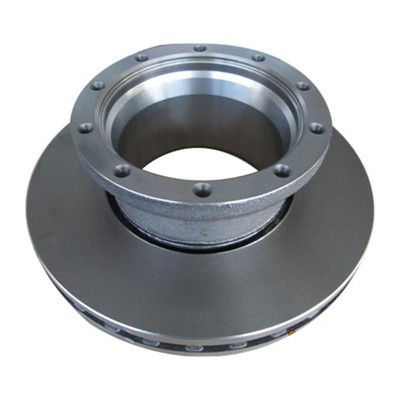
Hey there, car enthusiasts! As a supplier of top - notch car brake shoes, I've seen it all when it comes to brake systems. Today, I'm gonna walk you through the steps to remove car brake shoes. Whether you're a DIY mechanic or just curious about how your car works, this guide is for you.


Step 1: Prepare Your Tools and Safety Equipment
Before you start, gather all the tools you'll need. You'll typically need a jack, jack stands, a lug wrench, a flat - head screwdriver, a brake spring tool, and a pair of pliers. Safety is key, so don't forget to wear safety glasses and gloves. You don't want any metal shavings or brake dust getting into your eyes or on your hands.
Step 2: Loosen the Lug Nuts
Park your car on a flat, level surface and engage the parking brake. Use the lug wrench to loosen the lug nuts on the wheel where you'll be removing the brake shoes. Don't take them off completely just yet; just loosen them enough so they can be turned by hand later.
Step 3: Jack Up the Car
Position the jack under the designated lifting point of your car. Refer to your car's manual if you're not sure where it is. Slowly jack up the car until the wheel is about 6 - 8 inches off the ground. Then, place the jack stands under the car for extra support. Lower the car onto the jack stands, making sure it's stable. Now you can remove the lug nuts completely and take off the wheel.
Step 4: Remove the Brake Drum
In most cases, the brake shoes are located inside the brake drum. To remove the drum, look for the access hole on the back of the drum. Use a flat - head screwdriver to adjust the star wheel inside the access hole. This will loosen the brake shoes from the drum. Once the shoes are loose enough, you should be able to pull the drum off by hand. If it's stuck, you may need to tap it gently with a rubber mallet.
Step 5: Locate and Remove the Brake Shoe Retaining Springs
Now that the drum is off, you can see the brake shoes. There are usually two main types of springs holding the brake shoes in place: the retaining springs and the return springs. Use a brake spring tool to compress the retaining springs and remove them. These springs are under a lot of tension, so be careful not to let them fly out and hit you.
Step 6: Disconnect the Brake Lines and Linkages
Next, you'll need to disconnect the brake lines and linkages attached to the brake shoes. Some cars have a handbrake cable connected to the rear brake shoes. Use pliers to loosen the cable clamp and disconnect the cable. Also, disconnect any other linkages or connectors that are holding the brake shoes in place.
Step 7: Remove the Brake Shoes
Once all the springs, lines, and linkages are disconnected, you can remove the brake shoes from the backing plate. Lift the shoes off the plate and set them aside. Take a good look at the shoes to see if they're worn out or damaged. If they are, it's a good time to replace them with new ones. We offer a wide range of high - quality brake shoes, like BMW Rear Brake Shoes, Handbrake Pad, and Rear Brake Shoes.
Step 8: Inspect the Backing Plate and Other Components
While the brake shoes are off, take a moment to inspect the backing plate, brake cylinders, and other components. Look for any signs of wear, damage, or leakage. If you notice any issues, it's best to address them before installing new brake shoes.
Step 9: Clean the Components
Use a brake cleaner to clean the backing plate, brake drums, and other components. This will remove any dirt, grease, or brake dust. Make sure to work in a well - ventilated area when using brake cleaner, as it can be toxic.
Step 10: Install New Brake Shoes (Optional)
If you've decided to replace the brake shoes, now is the time to install the new ones. Follow the reverse order of the removal steps. Reconnect the brake lines and linkages, install the retaining springs, and put the brake drum back on. Make sure everything is properly aligned and tightened.
Step 11: Reassemble the Wheel
Once the new brake shoes are installed or if you're just putting the old ones back, it's time to reassemble the wheel. Put the wheel back on the hub and hand - tighten the lug nuts. Then, lower the car off the jack stands using the jack. Use the lug wrench to tighten the lug nuts in a star pattern to ensure even tightening.
Step 12: Test the Brakes
Before you hit the road, test the brakes. Start the car and pump the brake pedal a few times to build up pressure. Then, take the car for a short test drive in a safe area. Make sure the brakes are working properly and there are no strange noises or vibrations.
So, there you have it! Those are the steps to remove car brake shoes. It might seem a bit complicated at first, but with a little patience and the right tools, you can do it yourself. And if you're in the market for new brake shoes, we've got you covered. Our brake shoes are made from high - quality materials and are designed to provide reliable performance.
If you're interested in purchasing our brake shoes or have any questions about them, feel free to reach out to us. We're always happy to help you find the right products for your car.
References
- "Automotive Brake Systems" by James D. Halderman
- Various car repair manuals