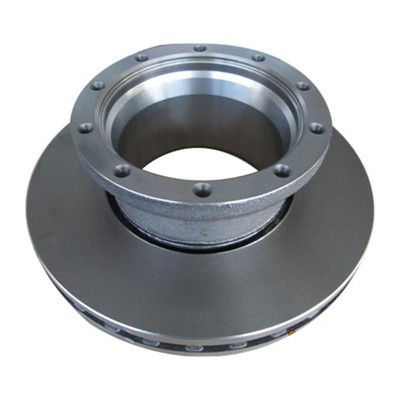
As a dedicated supplier of BMW Brake Disc, I've witnessed firsthand the critical role that the brake master cylinder plays in the overall performance of BMW braking systems. A failing brake master cylinder can have a profound impact on brake discs, leading to a range of symptoms that compromise safety and performance. In this blog post, I'll delve into the symptoms of a failing brake master cylinder and how they affect BMW brake discs.
Understanding the Brake Master Cylinder
Before we explore the symptoms, it's essential to understand the function of the brake master cylinder. The brake master cylinder is a crucial component of the hydraulic braking system. When you press the brake pedal, the master cylinder converts the mechanical force from your foot into hydraulic pressure. This pressure is then transmitted through the brake lines to the brake calipers, which squeeze the brake pads against the brake discs, slowing down or stopping the vehicle.


Symptoms of a Failing Brake Master Cylinder
Soft or Spongy Brake Pedal
One of the most common symptoms of a failing brake master cylinder is a soft or spongy brake pedal. When you press the brake pedal, it may feel mushy and require more effort to engage the brakes fully. This is often due to air in the brake lines or a leak in the master cylinder. As the master cylinder fails to generate sufficient hydraulic pressure, the brake pads may not apply enough force to the brake discs, resulting in reduced braking performance.
Low Brake Fluid Level
A failing brake master cylinder can also cause a low brake fluid level. The master cylinder reservoir stores the brake fluid, which is essential for transmitting hydraulic pressure. If the master cylinder has a leak, the brake fluid will gradually drain out, causing the fluid level in the reservoir to drop. A low brake fluid level can lead to a loss of hydraulic pressure, making it difficult to stop the vehicle safely.
Brake Warning Light
The brake warning light on your dashboard is another indicator of a potential problem with the brake master cylinder. When the master cylinder fails to function correctly, it can trigger the brake warning light to illuminate. This light serves as a warning to the driver that there is an issue with the braking system and that immediate attention is required.
Uneven Braking
A failing brake master cylinder can cause uneven braking, where one side of the vehicle brakes more effectively than the other. This is often due to a malfunction in the master cylinder's internal valves, which control the distribution of hydraulic pressure to the brake calipers. Uneven braking can lead to premature wear on the brake discs and pads, as well as handling issues while driving.
Hard Brake Pedal
In some cases, a failing brake master cylinder can cause the brake pedal to feel hard and difficult to press. This is often due to a blockage in the master cylinder or a problem with the brake booster. A hard brake pedal can make it challenging to apply the brakes smoothly and may require excessive force to stop the vehicle.
How a Failing Brake Master Cylinder Affects BMW Brake Discs
Premature Wear
When the brake master cylinder fails to generate sufficient hydraulic pressure, the brake pads may not apply enough force to the brake discs. This can result in premature wear on the brake discs, as they are not being used effectively to slow down or stop the vehicle. Over time, the brake discs may become thin and warped, leading to reduced braking performance and increased noise.
Warping
A failing brake master cylinder can also cause the brake discs to warp. When the brake pads apply uneven pressure to the brake discs, it can create hot spots on the surface of the discs. These hot spots can cause the metal to expand and contract unevenly, leading to warping. Warped brake discs can cause vibrations and pulsations in the brake pedal, as well as reduced braking performance.
Grooving
Uneven braking caused by a failing brake master cylinder can also lead to grooving on the brake discs. When the brake pads apply more pressure to one area of the brake disc than another, it can create grooves on the surface of the disc. These grooves can reduce the contact area between the brake pads and the brake discs, leading to reduced braking performance and increased noise.
Importance of Timely Replacement
It's crucial to address any symptoms of a failing brake master cylinder as soon as possible to prevent further damage to the BMW brake discs and ensure the safety of your vehicle. If you notice any of the symptoms mentioned above, it's recommended to have your vehicle inspected by a qualified mechanic. The mechanic will be able to diagnose the problem and determine whether the master cylinder needs to be replaced.
Our Role as a BMW Brake Disc Supplier
As a leading supplier of BMW Brake Disc, we understand the importance of providing high-quality brake discs that are designed to withstand the demands of the BMW braking system. Our brake discs are made from premium materials and undergo rigorous testing to ensure they meet or exceed OEM specifications.
In addition to providing high-quality brake discs, we also offer a range of other automotive brake products, including Mercedes-Benz Brake Disc and Toyota Brake Disc. Our team of experts is dedicated to providing exceptional customer service and technical support to help you find the right brake products for your vehicle.
Contact Us for Your Brake Disc Needs
If you're experiencing any of the symptoms of a failing brake master cylinder or are in need of new brake discs for your BMW, we're here to help. Our knowledgeable sales team is available to answer your questions and provide you with a quote for our products. Contact us today to learn more about our BMW brake discs and how we can help you keep your vehicle safe on the road.
References
- Bosch Automotive Service Solutions. (2023). Brake System Diagnosis and Repair.
- Chilton's Complete Auto Repair Manual. (2023). Brake System Repair.
- Haynes Repair Manuals. (2023). BMW Brake System Repair.