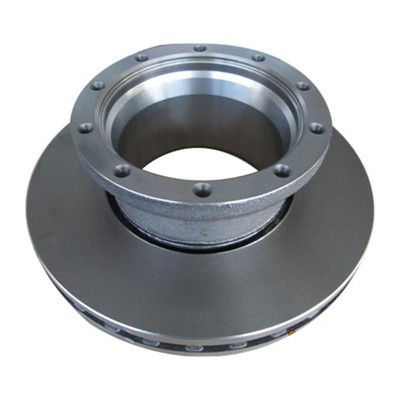
Brake pads are a critical component of any vehicle's braking system, ensuring safety by enabling drivers to slow down and stop effectively. As a car brake pads supplier, I've seen firsthand how quickly brake pads can wear out, which not only affects braking performance but also poses a significant safety risk. In this blog post, I'll explore the various factors that can cause car brake pads to wear quickly, providing detailed insights and practical advice to help you understand and address this common issue.
Driving Habits
One of the most significant factors influencing brake pad wear is driving habits. Aggressive driving, characterized by frequent and hard braking, can significantly accelerate brake pad wear. When you slam on the brakes, the brake pads are subjected to intense friction and heat, causing them to wear down more quickly. For example, if you're constantly tailgating and have to brake suddenly to avoid collisions, your brake pads will experience excessive stress.
In addition to hard braking, stop-and-go traffic can also take a toll on your brake pads. In congested traffic conditions, you're likely to make repeated stops and starts, which means your brake pads are constantly engaging and disengaging. This continuous operation generates more heat and friction, leading to faster wear. To mitigate the effects of stop-and-go traffic, try to anticipate traffic flow and use engine braking when possible. Engine braking involves downshifting to a lower gear, which helps slow down the vehicle without relying solely on the brakes.
Road Conditions
The type of roads you drive on can also have a significant impact on brake pad wear. Driving on hilly or mountainous terrain requires frequent use of the brakes to control your speed while going downhill. The constant friction and heat generated during these descents can cause the brake pads to wear prematurely. Similarly, driving on rough or unpaved roads can expose your brake pads to additional debris and contaminants, which can accelerate wear.
If you live in an area with a lot of hills or mountains, consider using lower gears to assist with braking on downhill slopes. This will reduce the amount of stress on your brake pads and help them last longer. When driving on rough roads, try to avoid sudden stops and keep your speed in check to minimize brake pad wear.
Brake Pad Material
The quality and type of brake pad material you choose can greatly affect their lifespan. There are several different types of brake pad materials available, each with its own characteristics and performance capabilities. Organic brake pads, for example, are made from a combination of natural and synthetic materials and are generally less expensive. However, they tend to wear out more quickly than other types of brake pads and may produce more dust.
Semi-metallic brake pads, on the other hand, contain a mixture of metal fibers and other materials. They offer better performance and durability than organic brake pads but can be noisier and generate more heat. Ceramic brake pads are the most advanced and expensive option. They are made from a ceramic compound and offer excellent performance, low noise, and minimal dust production. While ceramic brake pads generally last longer than other types, they can be more expensive to replace.
As a car brake pads supplier, I recommend choosing high-quality brake pads that are appropriate for your vehicle and driving conditions. If you're an aggressive driver or frequently drive in hilly areas, semi-metallic or ceramic brake pads may be a better choice. However, if you're on a budget and drive primarily in urban areas, organic brake pads may be sufficient.
Vehicle Weight and Load
The weight of your vehicle and the load it carries can also influence brake pad wear. Heavier vehicles require more force to stop, which means the brake pads have to work harder. If you regularly carry heavy loads, such as passengers, cargo, or towing a trailer, your brake pads will experience increased stress and wear.
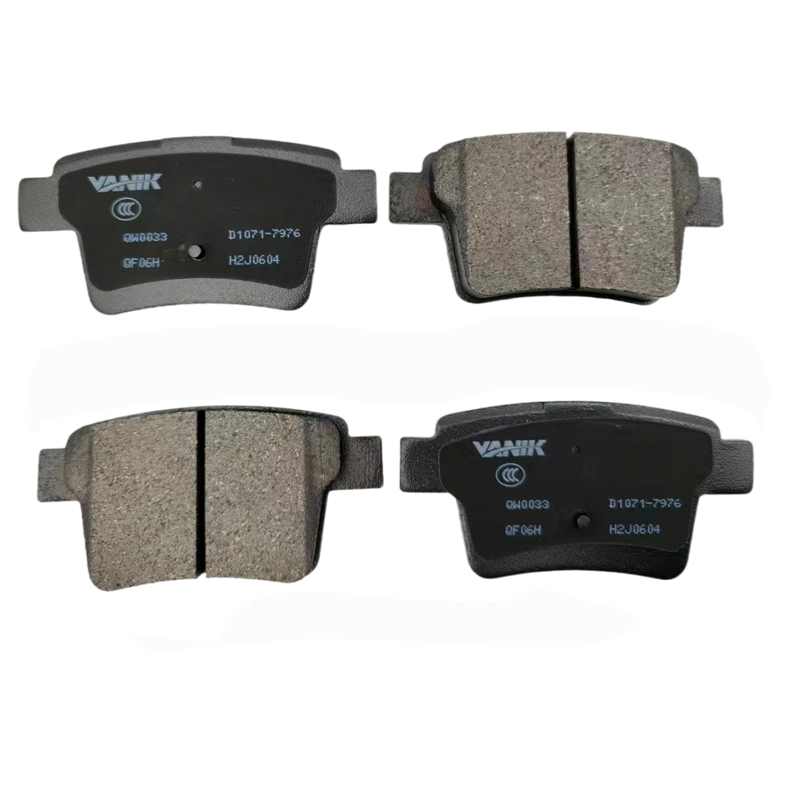

To reduce the impact of vehicle weight on brake pad wear, try to keep your vehicle as light as possible. Remove any unnecessary items from your trunk or cargo area, and avoid overloading your vehicle. If you need to tow a trailer, make sure it's within the recommended weight limits for your vehicle and use a proper hitch and braking system.
Brake System Maintenance
Proper maintenance of your vehicle's brake system is essential for ensuring the longevity of your brake pads. Regularly checking your brake fluid level, brake lines, and calipers can help identify any potential issues before they cause significant damage. Low brake fluid levels can lead to reduced braking performance and increased wear on the brake pads.
In addition to checking the fluid level, it's important to have your brakes inspected and serviced by a qualified mechanic on a regular basis. A professional mechanic can check the thickness of your brake pads, the condition of your rotors, and the overall performance of your braking system. They can also recommend any necessary repairs or replacements to keep your brakes in top condition.
Conclusion
In conclusion, several factors can cause car brake pads to wear quickly, including driving habits, road conditions, brake pad material, vehicle weight and load, and brake system maintenance. By understanding these factors and taking appropriate measures to address them, you can extend the lifespan of your brake pads and ensure the safety of your vehicle.
As a car brake pads supplier, I offer a wide range of high-quality brake pads to meet the needs of different vehicles and driving conditions. Whether you're looking for Passenger Car Brake Pads, JAGUAR Brake Pads, or DACIA Brake Pads, I have the right solution for you.
If you have any questions or would like to discuss your brake pad needs, please feel free to contact me. I'm here to help you find the best brake pads for your vehicle and provide you with the support and advice you need to keep your brakes in optimal condition.
References
- "Brake Pad Wear: What Causes It and How to Avoid It." YourMechanic, 2023.
- "The Impact of Driving Habits on Brake Pad Wear." Car and Driver, 2022.
- "Choosing the Right Brake Pads for Your Vehicle." Edmunds, 2023.