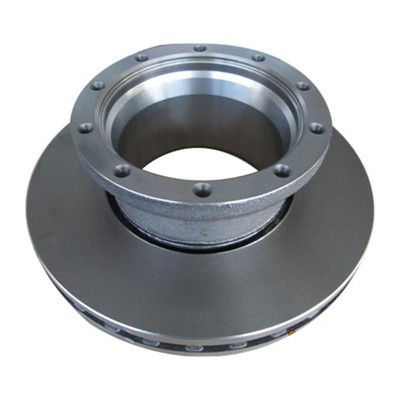
As a seasoned supplier of truck brake discs, I've witnessed firsthand the critical role these components play in ensuring the safety and performance of trucks. One common issue that truck owners and operators often encounter is uneven wear on brake discs. This problem not only compromises the braking efficiency but also leads to increased maintenance costs and potential safety hazards. In this blog post, I'll delve into the various factors that cause uneven wear on truck brake discs and share some insights on how to prevent it.
1. Brake Caliper Issues
The brake caliper is a crucial part of the braking system, responsible for applying pressure to the brake pads, which in turn press against the brake disc to slow down or stop the vehicle. When the caliper malfunctions, it can cause uneven pressure distribution on the brake disc, leading to uneven wear.
- Sticking Caliper Pistons: Over time, the caliper pistons can become stuck due to corrosion, dirt, or lack of lubrication. When a piston sticks, it fails to retract properly after the brake is released, causing the brake pad to remain in contact with the disc. This constant friction on one side of the disc leads to excessive wear compared to the other side.
- Uneven Caliper Bracket Mounting: If the caliper bracket is not properly mounted or aligned, it can cause the caliper to apply uneven pressure on the brake pads. This misalignment can result from improper installation, damaged mounting bolts, or a bent bracket. As a result, one side of the brake disc experiences more friction and wear than the other.
2. Brake Pad Problems
Brake pads are the components that directly contact the brake disc to generate friction and slow down the vehicle. Any issues with the brake pads can significantly affect the wear pattern of the brake disc.
- Worn or Contaminated Brake Pads: As brake pads wear down, they can develop uneven surfaces or become contaminated with dirt, oil, or other debris. Worn brake pads may not provide uniform contact with the brake disc, leading to uneven wear. Contaminated brake pads can also cause uneven friction, as the contaminants can reduce the friction coefficient on certain areas of the pad.
- Incorrect Brake Pad Installation: Improper installation of brake pads can also cause uneven wear on the brake disc. If the brake pads are not properly seated in the caliper or are installed backwards, they may not apply even pressure on the disc. This can result in uneven wear patterns and premature failure of the brake disc.
3. Disc Material and Quality
The quality and material of the brake disc itself can also contribute to uneven wear.
- Inconsistent Material Density: During the manufacturing process, if the material density of the brake disc is not uniform, it can lead to uneven heat distribution and wear. Areas with higher density may dissipate heat more slowly, causing them to wear faster than areas with lower density.
- Poor Quality Casting or Machining: Low-quality brake discs may have casting defects or machining errors, such as uneven surface finish or out-of-roundness. These defects can cause the brake pads to make uneven contact with the disc, resulting in uneven wear.
4. Driving Habits
The way a truck is driven can have a significant impact on the wear of the brake discs.
- Aggressive Driving: Frequent hard braking, sudden stops, and rapid acceleration can put excessive stress on the brake system, including the brake discs. Aggressive driving causes the brake pads to apply high pressure on the discs, generating more heat and friction. This can lead to uneven wear, especially if the driver tends to brake more heavily on one side of the vehicle.
- Overloading: Overloading a truck beyond its recommended capacity increases the workload on the brake system. The brakes have to work harder to slow down or stop the heavier vehicle, which can cause accelerated wear on the brake discs. Additionally, an overloaded truck may have uneven weight distribution, which can further contribute to uneven wear on the brake discs.
5. Environmental Factors
The environment in which a truck operates can also affect the wear of the brake discs.


- Dusty or Sandy Conditions: Driving in dusty or sandy environments can cause abrasive particles to accumulate on the brake discs and pads. These particles can act as abrasives, accelerating the wear of the brake components. Uneven distribution of these particles on the disc can lead to uneven wear.
- Wet or Corrosive Conditions: Exposure to water, salt, or other corrosive substances can cause the brake discs to rust or corrode. Rust and corrosion can weaken the surface of the disc, making it more prone to wear. Additionally, uneven corrosion on the disc can result in uneven wear patterns.
Preventive Measures
To prevent uneven wear on truck brake discs, it's essential to take the following preventive measures:
- Regular Maintenance: Schedule regular maintenance checks for your truck's braking system, including inspections of the brake calipers, brake pads, and brake discs. Replace worn or damaged components promptly to ensure proper functioning of the braking system.
- Proper Installation: Always ensure that brake pads and calipers are properly installed and aligned. Follow the manufacturer's instructions and use the correct tools and torque specifications during installation.
- Quality Brake Components: Invest in high-quality brake discs and pads from reputable manufacturers. Semi Truck Brake Disc, Heavy Duty Vehicle Brake Discs, and Heavy Commercial Vehicle Brake Discs offered by our company are made from high-quality materials and undergo strict quality control to ensure optimal performance and durability.
- Good Driving Habits: Practice smooth and consistent driving habits to reduce stress on the braking system. Avoid aggressive driving, sudden stops, and overloading the truck.
- Environmental Protection: If you operate your truck in dusty, sandy, wet, or corrosive environments, take extra precautions to protect the braking system. Regularly clean the brake components to remove dirt, dust, and debris, and consider using corrosion-resistant coatings or treatments.
Conclusion
Uneven wear on truck brake discs is a common problem that can have serious consequences for the safety and performance of your vehicle. By understanding the various factors that cause uneven wear and taking appropriate preventive measures, you can extend the lifespan of your brake discs and ensure the reliable operation of your truck's braking system.
As a leading supplier of truck brake discs, we are committed to providing high-quality products and excellent customer service. If you have any questions or need assistance with your truck's braking system, please feel free to contact us for a consultation. We look forward to working with you to meet your braking needs.
References
- Bosch Automotive Handbook, 8th Edition
- SAE International Standards on Vehicle Braking Systems
- Brake & Front End Magazine - Articles on Brake System Maintenance and Troubleshooting