When it comes to automotive safety, few components are as crucial as the braking system. As a trusted supplier of DODGE Brake Pads, I understand the importance of proper bedding-in procedures to ensure optimal performance and longevity of these essential parts. In this blog post, I'll delve into what the bedding-in procedure for DODGE brake pads entails, why it's necessary, and how you can carry it out effectively.
Why is Bedding-In Necessary?
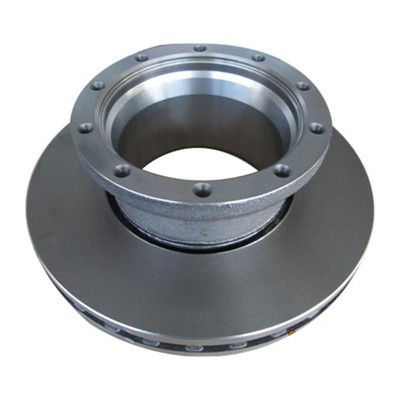
Bedding-in, also known as break-in, is a critical process that allows the brake pads and rotors to establish a proper friction surface. When new brake pads are installed, they have a smooth surface that needs to be mated with the rotors. During normal driving, the friction between the pads and rotors generates heat, which causes a transfer layer of pad material to adhere to the rotor surface. This transfer layer is essential for consistent braking performance, as it improves the coefficient of friction and reduces the risk of uneven wear and brake noise.
A proper bedding-in procedure ensures that the transfer layer is evenly distributed across the rotor surface, which helps to prevent glazing, uneven wear, and brake fade. Glazing occurs when the brake pads become overheated, causing the surface of the pads to harden and lose their ability to grip the rotors effectively. Uneven wear can lead to rotor warping, which can cause vibrations and pulsations in the brake pedal. Brake fade is a reduction in braking performance that occurs when the brakes overheat, causing the friction material to lose its effectiveness.
The Bedding-In Procedure for DODGE Brake Pads
The bedding-in procedure for DODGE brake pads typically involves a series of controlled stops at varying speeds. It's important to follow the manufacturer's recommendations for your specific vehicle, as the procedure may vary depending on the make and model of your DODGE. However, the following general guidelines can be used as a starting point:
- Initial Inspection: Before you begin the bedding-in process, it's important to inspect the brake system for any signs of damage or wear. Check the brake pads, rotors, calipers, and brake lines for any leaks, cracks, or other issues. Make sure the brake fluid level is within the recommended range.
- Warm Up the Brakes: Start by driving your vehicle at a moderate speed for a few miles to warm up the brakes. This will help to ensure that the brake pads and rotors are at the proper operating temperature before you begin the bedding-in process.
- Perform a Series of Controlled Stops: Once the brakes are warm, perform a series of controlled stops at varying speeds. Start by driving at a speed of around 30 mph and apply the brakes firmly to slow down to a stop. Repeat this process several times, gradually increasing the speed with each stop. Make sure to allow the brakes to cool down between each stop to prevent overheating.
- Avoid Hard Braking: During the bedding-in process, it's important to avoid hard braking or sudden stops. This can cause the brake pads to overheat and damage the transfer layer. Instead, apply the brakes smoothly and gradually to slow down the vehicle.
- Complete the Bedding-In Process: After performing a series of controlled stops at varying speeds, drive your vehicle for a few more miles to allow the brakes to cool down completely. This will help to ensure that the transfer layer is fully established and that the brakes are ready for normal use.
Tips for a Successful Bedding-In Procedure
- Follow the Manufacturer's Recommendations: As mentioned earlier, it's important to follow the manufacturer's recommendations for your specific vehicle. This will ensure that you're performing the bedding-in procedure correctly and that you're getting the best possible performance from your DODGE brake pads.
- Use a Light Foot: During the bedding-in process, it's important to use a light foot when applying the brakes. This will help to prevent overheating and damage to the brake pads and rotors.
- Allow the Brakes to Cool Down: After each stop, allow the brakes to cool down for a few minutes before performing another stop. This will help to prevent overheating and damage to the brake pads and rotors.
- Avoid Heavy Loads: During the bedding-in process, it's important to avoid carrying heavy loads or towing trailers. This can put additional stress on the brakes and make it more difficult to perform the bedding-in procedure correctly.
- Be Patient: The bedding-in process takes time and patience. Don't rush the process or try to skip steps. Follow the manufacturer's recommendations and allow the brakes to cool down between each stop.
Other Brake Pad Options
In addition to DODGE brake pads, we also offer a wide range of brake pads for other makes and models of vehicles. If you're looking for DACIA Brake Pads, BUICK Brake Pads, or LADA Brake Pads, we've got you covered. Our brake pads are made from high-quality materials and are designed to provide reliable performance and long-lasting durability.
Conclusion
Proper bedding-in of your DODGE brake pads is essential for optimal performance and longevity. By following the manufacturer's recommendations and using the tips outlined in this blog post, you can ensure that your brake pads are properly seated and that your braking system is functioning at its best. If you have any questions or need further assistance with the bedding-in process or any other aspect of your vehicle's braking system, please don't hesitate to contact us. We're here to help you keep your vehicle safe and reliable on the road. Whether you're a professional mechanic or a DIY enthusiast, we're your trusted source for high-quality DODGE brake pads and other automotive parts.


References
- "Brake Pad Bedding-In Procedure." Brake & Front End Magazine.
- "How to Bed In Brake Pads." AutoZone.
- "The Importance of Bedding-In Brake Pads." Car and Driver.