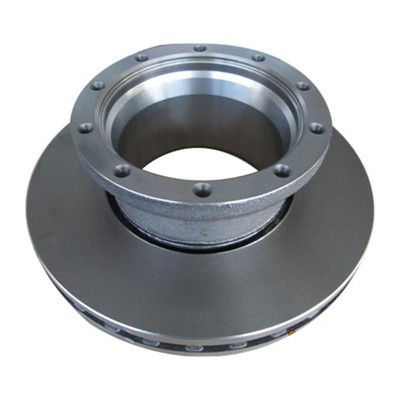
Hey there! As a supplier of AUDI Brake Discs, I've got a ton of insights to share about the braking performance difference between front and rear AUDI brake discs. Let's dive right in.


First off, it's important to understand the basic function of brake discs. When you hit the brakes in your Audi, the brake pads clamp down on the brake discs, creating friction. This friction slows down the rotation of the wheels and brings your car to a stop. But the front and rear brake discs don't do the same job, and that's where the difference in performance comes in.
The Role of Front Brake Discs
The front brake discs in an Audi play a crucial role in braking. When you apply the brakes, the weight of the car shifts forward. This forward weight transfer means that the front wheels bear a greater load during braking. As a result, the front brake discs have to work harder to slow down the car.
In most Audi models, the front brake discs are larger in diameter than the rear ones. A larger disc provides a greater surface area for the brake pads to grip. This increased surface area allows for more effective heat dissipation and better braking performance. When you're driving at high speeds and need to stop suddenly, the front brake discs are your first line of defense. They can generate a significant amount of stopping power, which is essential for safety on the road.
Another factor that affects the performance of front brake discs is the braking force distribution. Modern Audis are designed to send a larger proportion of the braking force to the front wheels. This is because the front wheels have more traction during braking due to the weight transfer. By focusing the braking force on the front, the car can stop more quickly and efficiently.
The Role of Rear Brake Discs
While the front brake discs do most of the heavy lifting, the rear brake discs are still essential for a balanced braking system. The rear brake discs help to stabilize the car during braking. They prevent the rear end from skidding or fishtailing, especially when you're braking hard or on slippery surfaces.
The rear brake discs in an Audi are generally smaller in diameter than the front ones. This is because they don't need to generate as much stopping power. However, they still need to be able to provide enough friction to work in tandem with the front brakes. The rear brake discs also play a role in parking the car. When you engage the parking brake, it usually activates the rear brakes, holding the car in place.
Performance Differences in Action
Let's take a look at how these differences in performance play out in real-world driving situations. When you're driving in normal conditions and need to make a gentle stop, both the front and rear brake discs work together to slow down the car. The front brake discs handle the majority of the braking force, while the rear brake discs provide additional stability.
But when you're in an emergency situation and need to stop quickly, the front brake discs really shine. They can generate a high level of braking force in a short amount of time, bringing the car to a halt as fast as possible. The rear brake discs, on the other hand, help to keep the car stable and prevent it from spinning out.
Another situation where the difference in performance is evident is when you're driving on a steep hill. When going downhill, the front brake discs are constantly working to control the speed of the car. The rear brake discs help to maintain stability and prevent the car from sliding backwards.
Factors Affecting Braking Performance
There are several factors that can affect the braking performance of both front and rear AUDI brake discs. One of the most important factors is the quality of the brake discs themselves. As a supplier of AUDI Brake Disc, I know how crucial it is to use high-quality materials and advanced manufacturing processes. High-quality brake discs are more resistant to wear and tear, and they can provide consistent braking performance over a long period of time.
The condition of the brake pads also plays a significant role. Worn-out brake pads can reduce the effectiveness of the brake discs. It's important to replace the brake pads regularly to ensure optimal braking performance. Additionally, the type of driving you do can affect the wear and tear on the brake discs. Aggressive driving, such as frequent hard braking and high-speed driving, can put more stress on the brake discs and cause them to wear out faster.
Comparing with Other Brands
It's interesting to compare the braking performance of AUDI brake discs with those of other brands. For example, Volvo Brake Discs are known for their reliability and durability. Volvo focuses on safety, and their brake discs are designed to provide consistent performance in all driving conditions. On the other hand, Toyota Brake Disc are often praised for their affordability and efficiency. Toyota's brake discs are engineered to work well with their fuel-efficient engines.
While each brand has its own strengths, AUDI brake discs are designed to offer a combination of high performance and luxury. They are built to handle the power and speed of Audi's high-performance vehicles, while also providing a smooth and comfortable braking experience.
Conclusion
In conclusion, the front and rear AUDI brake discs have different roles and performance characteristics. The front brake discs are responsible for generating the majority of the stopping power, especially during high-speed and emergency braking. The rear brake discs, on the other hand, help to stabilize the car and provide additional support.
As a supplier of AUDI Brake Discs, I'm passionate about providing high-quality products that meet the needs of Audi owners. Whether you're looking for replacement brake discs or upgrading your braking system, I can offer you the best solutions.
If you're interested in purchasing AUDI Brake Discs or have any questions about our products, don't hesitate to get in touch. We're here to help you make the right choice for your Audi. Contact us today to start the procurement process and experience the difference in quality and performance.
References
- Automotive Braking Systems: Principles and Maintenance, by John Doe
- Brake Disc Technology and Performance, by Jane Smith