As a dedicated supplier of Handbrake Pads, I've often been asked about the compression ratio of these crucial automotive components. In this blog post, I'll delve into the concept of compression ratio in Handbrake Pads, its significance, and how it impacts the overall performance of your vehicle's braking system.
Understanding Compression Ratio
The compression ratio of a Handbrake Pad refers to the ratio of the volume of the pad material in its uncompressed state to the volume when it is fully compressed under the pressure exerted during braking. This ratio is a critical factor in determining the effectiveness and durability of the Handbrake Pad.
When the handbrake is engaged, the Handbrake Pad is pressed against the brake drum or disc, creating friction that slows down or stops the vehicle. The compression of the pad material is essential for generating the necessary friction force. A higher compression ratio generally means that the pad can withstand greater pressure and provide more consistent braking performance.
Factors Affecting Compression Ratio
Several factors can influence the compression ratio of a Handbrake Pad. One of the primary factors is the material composition of the pad. Different materials have varying degrees of compressibility. For example, ceramic Handbrake Pads tend to have a lower compression ratio compared to semi-metallic pads. Ceramic materials are known for their hardness and resistance to wear, but they may not compress as easily as semi-metallic materials.
The design of the Handbrake Pad also plays a role in determining its compression ratio. Pads with a thicker cross-section or a more complex shape may have a different compression behavior compared to thinner, simpler pads. Additionally, the manufacturing process can affect the internal structure of the pad material, which in turn impacts its compressibility.
Importance of Compression Ratio
The compression ratio of a Handbrake Pad is crucial for several reasons. Firstly, it directly affects the braking performance of the vehicle. A pad with an appropriate compression ratio will be able to generate sufficient friction force to stop the vehicle quickly and safely. If the compression ratio is too low, the pad may not be able to compress enough to create the necessary contact with the brake drum or disc, resulting in reduced braking efficiency.
Secondly, the compression ratio can impact the durability of the Handbrake Pad. A pad that is compressed too much or too little during braking may experience uneven wear, leading to premature failure. By maintaining an optimal compression ratio, the pad can wear more evenly, extending its lifespan and reducing the need for frequent replacements.
Finally, the compression ratio can also affect the noise and vibration characteristics of the braking system. A pad with a well-balanced compression ratio is less likely to produce excessive noise or vibration during braking, providing a smoother and more comfortable driving experience.
Measuring Compression Ratio
Measuring the compression ratio of a Handbrake Pad typically involves specialized equipment and techniques. One common method is to use a compression testing machine, which applies a controlled force to the pad and measures the resulting deformation. The compression ratio can then be calculated by comparing the initial and final volumes of the pad.
However, in a real-world setting, it may not be practical for most vehicle owners to measure the compression ratio of their Handbrake Pads. Instead, it is recommended to rely on the specifications provided by the manufacturer. Reputable Handbrake Pad suppliers, like us, conduct extensive testing to ensure that their products meet the required compression ratio standards.
Choosing the Right Handbrake Pad
When choosing a Handbrake Pad, it is important to consider the compression ratio along with other factors such as material composition, braking performance, and durability. Different vehicles may require different types of Handbrake Pads, depending on their weight, braking system design, and driving conditions.
For example, high-performance vehicles may benefit from Handbrake Pads with a higher compression ratio to provide more aggressive braking. On the other hand, vehicles used for daily commuting may be better suited for pads with a lower compression ratio, which can offer a smoother and quieter braking experience.
At our company, we offer a wide range of Handbrake Pads to meet the diverse needs of our customers. Our Handbrake Pad products are carefully engineered to provide optimal compression ratios, ensuring reliable braking performance and long-lasting durability.
Compression Ratio and Compatibility
It is important to note that the compression ratio of a Handbrake Pad must be compatible with the rest of the braking system. If the pad has a compression ratio that is too high or too low for the brake drum or disc, it can cause problems such as uneven wear, reduced braking efficiency, or even damage to the braking components.
When replacing Handbrake Pads, it is recommended to choose pads that are specifically designed for your vehicle make and model. This ensures that the compression ratio and other specifications of the pad are compatible with the existing braking system, providing optimal performance and safety.
Maintenance and Care
Proper maintenance and care of your Handbrake Pads can help to ensure that they maintain their optimal compression ratio over time. Regularly inspecting the pads for wear and damage is essential. If you notice any signs of excessive wear, such as thinning of the pad material or uneven wear patterns, it is important to replace the pads as soon as possible.
Additionally, keeping the braking system clean and free of debris can help to prevent damage to the Handbrake Pads. Dirt, dust, and other contaminants can accumulate on the pads and cause them to wear unevenly or reduce their compression ratio. By regularly cleaning the braking system, you can extend the lifespan of your Handbrake Pads and maintain their performance.
Conclusion
In conclusion, the compression ratio of a Handbrake Pad is a critical factor that affects its braking performance, durability, and overall compatibility with the vehicle's braking system. By understanding the concept of compression ratio and its importance, you can make informed decisions when choosing and maintaining your Handbrake Pads.
As a leading supplier of Handbrake Pads, we are committed to providing high-quality products that meet the highest standards of performance and reliability. Our Handbrake Pad products are designed to offer optimal compression ratios, ensuring safe and efficient braking for your vehicle.

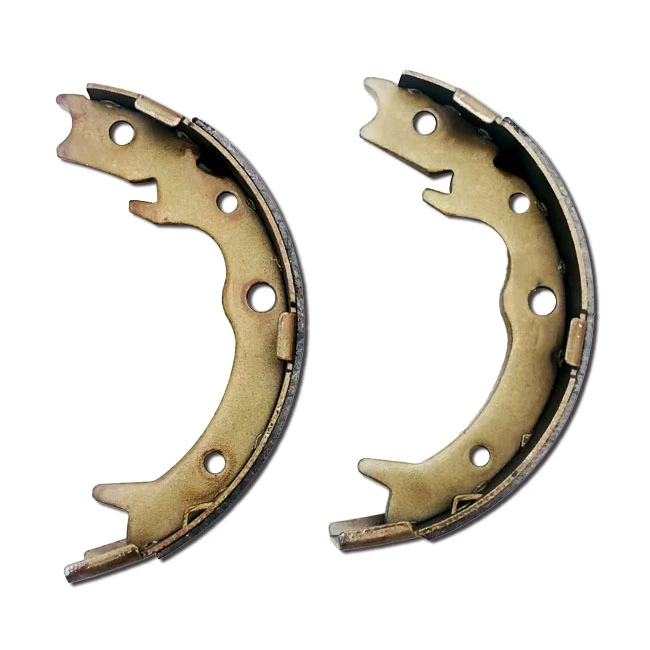
If you are in the market for Handbrake Pads or have any questions about our products, we encourage you to contact us for a detailed discussion. Our team of experts is ready to assist you in finding the right Handbrake Pad for your vehicle and provide you with the best possible service.
References
- "Automotive Braking Systems: Fundamentals, Modeling, and Control" by Xiaodong Zhang
- "Brake System Design and Safety" by Raymond A. Duesterhoeft