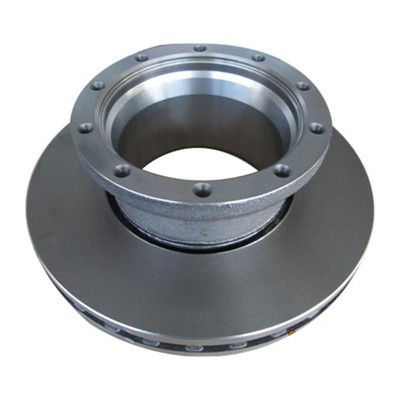
When it comes to car brake pads, one of the key considerations that often arises is whether to choose copper - free or copper - containing options. As a car brake pads supplier, I've encountered numerous customers with questions about the differences between these two types of brake pads. In this blog, I'll delve into the details to help you understand the distinctions and make an informed decision for your vehicle.
Composition and Manufacturing
The most obvious difference between copper - free and copper - containing brake pads lies in their composition. Copper - containing brake pads, as the name suggests, have copper as one of their primary ingredients. Copper is a highly conductive metal, and it is typically added to brake pads in the form of copper fibers or particles. These copper components play several important roles in the performance of the brake pads.
On the other hand, copper - free brake pads are formulated without the use of copper. Instead, manufacturers use alternative materials to achieve similar performance characteristics. These alternative materials can include various types of ceramics, aramid fibers, and other metallic and non - metallic compounds. The development of copper - free brake pads has been driven by environmental concerns, as copper can be harmful to the environment when it is released into waterways during the normal wear and tear of brake pads.
Performance
Friction and Braking Power
Copper - containing brake pads are known for their excellent friction characteristics. The copper fibers or particles help to create a stable friction coefficient over a wide range of temperatures. This means that they can provide consistent braking performance in both normal driving conditions and more extreme situations, such as high - speed driving or heavy braking. The high thermal conductivity of copper also helps to dissipate heat generated during braking, reducing the risk of brake fade.
Copper - free brake pads, however, have also made significant strides in terms of performance. Modern copper - free formulations can offer comparable friction levels to copper - containing pads. Some copper - free brake pads, especially those made with advanced ceramic materials, can provide smooth and quiet braking. They are also less likely to produce brake dust, which can keep your wheels cleaner.
Wear and Tear
In terms of wear, copper - containing brake pads generally have a good balance between pad wear and rotor wear. The copper helps to lubricate the braking surface, reducing the amount of abrasion on both the brake pad and the rotor. This can result in longer - lasting brake components.
Copper - free brake pads can also have good wear characteristics, especially when they are made with high - quality materials. However, some lower - quality copper - free pads may wear out more quickly or cause more rapid rotor wear compared to their copper - containing counterparts. It's important to choose a reputable brand when selecting copper - free brake pads to ensure optimal wear performance.
Environmental Impact
One of the main reasons for the development of copper - free brake pads is their reduced environmental impact. Copper is a heavy metal that can be toxic to aquatic life. When brake pads wear down, tiny particles of copper are released into the environment, and these particles can eventually find their way into rivers, lakes, and oceans.
Regulations in many regions are becoming more stringent regarding the amount of copper allowed in brake pads. Copper - free brake pads help to comply with these regulations and reduce the overall environmental footprint of the automotive industry. By choosing copper - free brake pads, vehicle owners can contribute to a cleaner and healthier environment.

Cost
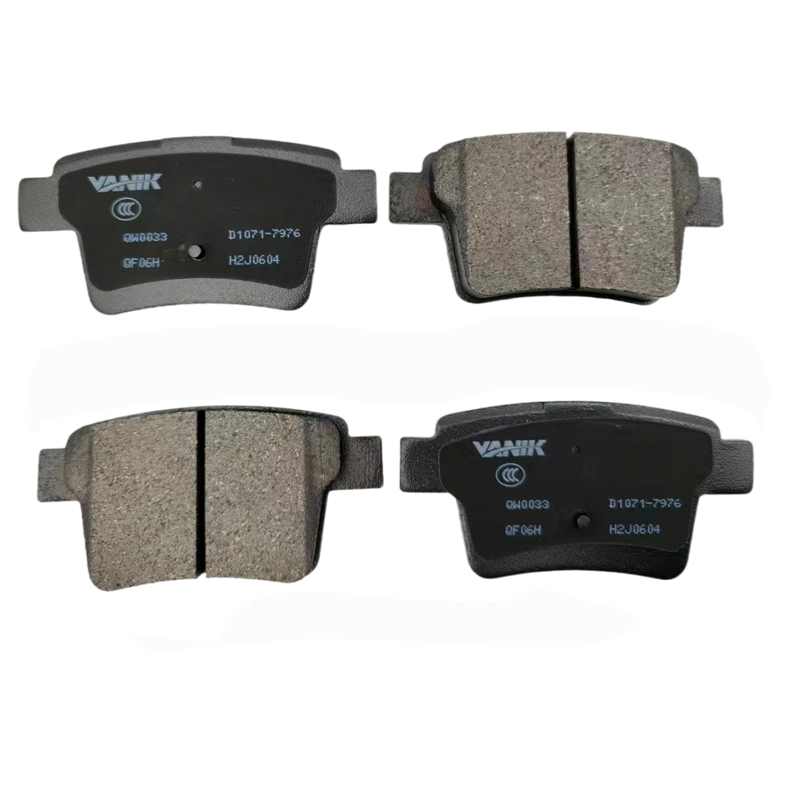
Copper - containing brake pads are often more expensive than copper - free brake pads. The cost of copper, along with the manufacturing processes involved in incorporating copper into the brake pad formulation, can drive up the price. However, the higher cost may be justified by their superior performance and longer lifespan in some cases.
Copper - free brake pads, on the other hand, are generally more budget - friendly. They offer a cost - effective alternative for vehicle owners who are looking for reliable braking performance without breaking the bank.
Application and Compatibility
Both copper - containing and copper - free brake pads are available for a wide range of vehicles. Whether you drive a JAGUAR Brake Pads, a HOLDEN Brake Pads, or a DODGE Brake Pads, you can find suitable brake pads in both categories.
When choosing between the two, it's important to consider your driving habits and the specific requirements of your vehicle. If you do a lot of high - performance driving or towing, copper - containing brake pads may be a better choice due to their superior heat dissipation and braking power. However, if you mainly drive in urban areas and are concerned about the environment, copper - free brake pads could be the right option for you.
Conclusion
In conclusion, the choice between copper - free and copper - containing car brake pads depends on a variety of factors, including performance requirements, environmental concerns, and budget. As a car brake pads supplier, I understand that every customer has unique needs, and I'm here to help you make the best decision for your vehicle.
If you're interested in learning more about our range of copper - free and copper - containing brake pads or would like to discuss your specific requirements, please don't hesitate to contact us. We're dedicated to providing high - quality brake pads and excellent customer service. Whether you're a professional mechanic or an individual vehicle owner, we can assist you in finding the perfect brake pads for your car.
References
- "Brake Pad Materials and Their Performance." Automotive Engineering Journal.
- Environmental Protection Agency Reports on Heavy Metals in Brake Pads.
- Industry research papers on the development of copper - free brake pads.