Hey there, fellow car enthusiasts! As a supplier of Chevy brake discs, I've been getting a lot of questions lately about the difference between solid and vented brake discs. So, I thought I'd take a few minutes to break it down for you.
First off, let's talk about what brake discs do. In simple terms, brake discs are a crucial part of your car's braking system. When you press the brake pedal, the brake pads clamp down on the brake discs, creating friction. This friction slows down the rotation of the wheels, bringing your car to a stop. Now, let's dive into the differences between solid and vented Chevy brake discs.
Solid Brake Discs
Solid brake discs, as the name suggests, are solid pieces of metal. They're the most basic type of brake disc and are commonly found in everyday passenger cars. One of the main advantages of solid brake discs is their simplicity. They're relatively easy to manufacture, which makes them more affordable than vented discs. This affordability is one of the reasons why they're so popular in standard vehicles.
Another benefit of solid brake discs is their durability. Since they're a single piece of metal, there are fewer parts that can wear out or break. This means that they generally have a longer lifespan compared to some other types of brake discs. However, there are also some drawbacks to solid brake discs.

The biggest issue with solid brake discs is their heat dissipation. When you apply the brakes, a lot of heat is generated due to the friction between the brake pads and the discs. Solid brake discs don't have a built - in mechanism to get rid of this heat quickly. As a result, they can overheat, especially during heavy braking or when driving in mountainous areas where you need to use your brakes frequently. Overheating can cause the brake discs to warp, which can lead to a decrease in braking performance and a spongy feel when you press the brake pedal.
Vented Brake Discs
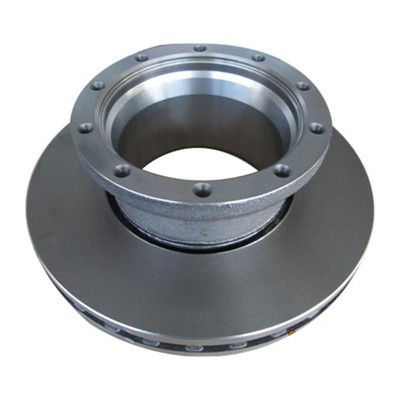
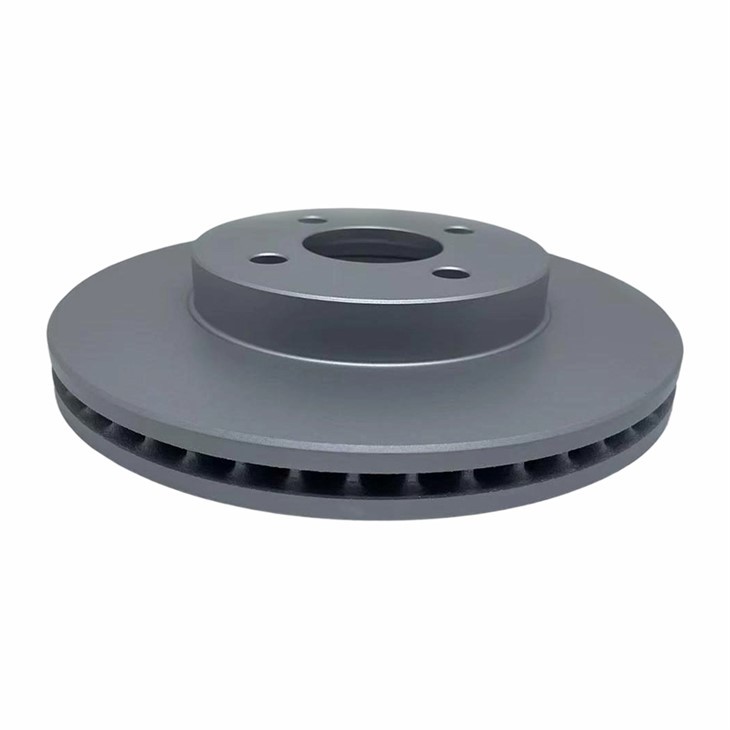
Vented brake discs are designed to address the heat dissipation problem of solid brake discs. These discs have a series of vanes or channels between the two friction surfaces. These vanes act as a pathway for air to flow through the disc, carrying away the heat generated during braking.
The improved heat dissipation of vented brake discs makes them a great choice for high - performance vehicles or for drivers who do a lot of aggressive driving. When you're driving at high speeds and need to make sudden stops, vented brake discs are better able to handle the heat and maintain their braking performance. They're also less likely to warp compared to solid brake discs, which means you'll have a more consistent and reliable braking experience.
However, vented brake discs also have their downsides. They're more complex to manufacture than solid brake discs, which makes them more expensive. The additional vanes and channels also make them heavier, which can have a small impact on your car's fuel efficiency.
Which One is Right for You?
The choice between solid and vented Chevy brake discs depends on your driving style and needs. If you're an average driver who mainly uses your car for commuting in the city and doesn't do a lot of high - speed or aggressive driving, solid brake discs are probably a good choice. They're affordable, durable, and will provide adequate braking performance for your everyday needs.
On the other hand, if you drive a high - performance Chevy vehicle, or if you frequently find yourself in situations where you need to make hard stops, like driving on winding mountain roads or participating in track days, vented brake discs are the way to go. The improved heat dissipation will ensure that your brakes perform at their best when you need them most.
Comparing with Other Brands
It's also interesting to compare Chevy brake discs with those of other brands. For example, Ford Brake Discs have their own unique features. Ford vehicles often come with brake discs that are designed to match the specific performance characteristics of their cars. Some Ford models may use vented brake discs as standard, especially in their high - performance variants.
Mercedes - Benz Brake Disc are known for their high - quality and advanced engineering. Mercedes - Benz uses a combination of solid and vented brake discs depending on the model and its intended use. Their brake discs are often made with high - grade materials to ensure optimal performance and safety.
Toyota Floating Carbon BrakeDiscs are a bit different. Carbon brake discs are extremely lightweight and have excellent heat dissipation properties. They're often used in high - end or performance Toyota models, but they're also more expensive than traditional solid or vented metal brake discs.
Making the Decision
When it comes to choosing between solid and vented Chevy brake discs, it's important to consider your budget, your driving habits, and the type of Chevy vehicle you have. If you're on a tight budget and don't need the extra performance of vented discs, solid brake discs are a practical option. But if you want the best braking performance and are willing to pay a bit more, vented brake discs are worth the investment.
As a supplier of Chevy brake discs, I can offer you a wide range of options to suit your needs. Whether you're looking for solid brake discs for your daily driver or vented brake discs for your high - performance Chevy, I've got you covered.
If you're interested in purchasing Chevy brake discs, or if you have any questions about which type is right for you, don't hesitate to get in touch. I'm here to help you make an informed decision and ensure that you get the best braking system for your Chevy.
References
- "The Basics of Brake Discs", Automotive Braking Technology Journal
- "Heat Dissipation in Brake Systems", Car Performance Magazine
So, what are you waiting for? Contact me today and let's get your Chevy's braking system in top - notch condition!