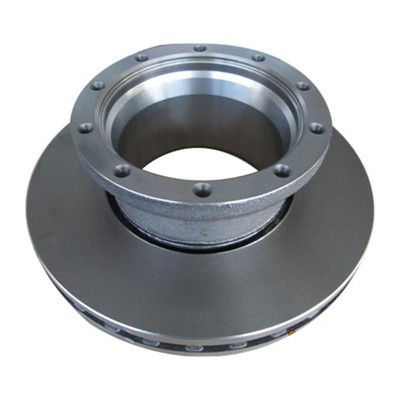
A car brake disc, also known as a brake rotor, is a crucial component in a vehicle's braking system. It plays a fundamental role in ensuring the safety and functionality of the car. As a car brake disc supplier, I have witnessed firsthand the significance of these components in the automotive industry. In this blog, I will delve into the functions of a car brake disc and explore why it is an essential part of any vehicle.
The Primary Function: Deceleration and Stopping
The most obvious function of a car brake disc is to slow down or stop the vehicle. When the driver presses the brake pedal, the brake calipers squeeze the brake pads against the brake disc. This action creates friction, which converts the kinetic energy of the moving vehicle into thermal energy. As the friction between the brake pads and the disc increases, the rotational speed of the wheels decreases, ultimately bringing the car to a halt.


This process is essential for safe driving. Whether you're navigating through busy city streets, cruising on the highway, or descending a steep hill, the ability to slow down and stop your vehicle quickly and effectively is crucial. Without a properly functioning brake disc, the risk of accidents increases significantly.
Heat Dissipation
Another critical function of a car brake disc is heat dissipation. As mentioned earlier, the friction generated between the brake pads and the disc during braking converts kinetic energy into thermal energy. This process generates a significant amount of heat, which can cause the brake components to overheat if not properly managed.
Overheating can lead to a phenomenon known as brake fade, where the braking performance deteriorates due to a decrease in friction between the brake pads and the disc. This can be extremely dangerous, especially in high-speed or emergency braking situations. To prevent brake fade, brake discs are designed with specific features to dissipate heat efficiently.
Many modern brake discs are ventilated, meaning they have a series of vanes or channels between the two friction surfaces. These vanes allow air to flow through the disc, carrying away heat and reducing the temperature. Some brake discs also feature cross-drilled or slotted designs, which further enhance heat dissipation by providing additional surface area for heat to escape.
Maintaining Stability and Control
In addition to deceleration and heat dissipation, a car brake disc also plays a role in maintaining the stability and control of the vehicle during braking. When the brakes are applied, the brake disc must provide a consistent and even braking force across the entire surface of the disc. This ensures that the vehicle stops in a straight line without pulling to one side.
Uneven braking can be caused by a variety of factors, including worn brake pads, a warped brake disc, or a malfunctioning brake caliper. If the braking force is not evenly distributed, the vehicle may pull to one side, making it difficult to steer and control. This can be particularly dangerous in wet or slippery conditions, where traction is already reduced.
To ensure consistent braking performance, brake discs are carefully manufactured to precise specifications. They are machined to a specific thickness and flatness, and the surface finish is carefully controlled to provide optimal friction. Regular maintenance and inspection of the brake system, including the brake discs, are essential to ensure that they are functioning properly and providing consistent braking performance.
Compatibility with Different Vehicles
As a car brake disc supplier, I understand the importance of providing brake discs that are compatible with a wide range of vehicles. Different vehicles have different braking requirements, depending on factors such as their size, weight, and performance capabilities. Therefore, brake discs must be designed and manufactured to meet the specific needs of each vehicle.
For example, high-performance vehicles typically require brake discs that can withstand higher temperatures and provide greater braking force. These vehicles may use larger diameter brake discs, as well as more advanced materials and designs to enhance performance. On the other hand, smaller, more economical vehicles may require brake discs that are more cost-effective and efficient.
At our company, we offer a comprehensive range of brake discs for various makes and models of vehicles. Whether you're looking for a Mercedes-Benz Brake Disc, Toyota Brake Disc, or Ford Brake Discs, we have the right product to meet your needs. Our brake discs are manufactured to the highest quality standards and are rigorously tested to ensure reliable performance and safety.
Conclusion
In conclusion, the function of a car brake disc is multifaceted and essential for the safe and efficient operation of a vehicle. From deceleration and heat dissipation to maintaining stability and control, a properly functioning brake disc is crucial for ensuring the safety of both the driver and passengers. As a car brake disc supplier, we are committed to providing high-quality brake discs that meet the specific needs of our customers.
If you're in the market for car brake discs, we invite you to explore our extensive product range. Our team of experts is always available to assist you in selecting the right brake discs for your vehicle and to answer any questions you may have. Contact us today to discuss your requirements and to learn more about how we can help you ensure the safety and performance of your vehicle.
References
- Bosch Automotive Aftermarket: Brake Systems Technology Handbook
- SAE International: Standards and Publications on Brake Systems
- Chilton's Automotive Repair Manuals