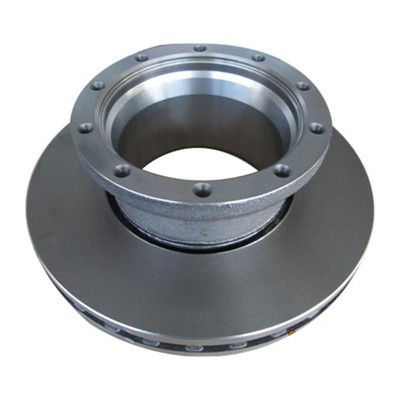
The installation process for new car brake discs is a crucial procedure that directly impacts the safety and performance of your vehicle. As a reputable car brake disc supplier, I understand the importance of a proper installation. In this blog, I'll guide you through the step - by - step process of installing new car brake discs.
Pre - installation Preparations
Before you start the installation, it's essential to gather all the necessary tools and materials. You'll need a jack, jack stands, a lug wrench, a socket set, a C - clamp, brake cleaner, and of course, the new brake discs. Make sure you have the correct brake discs for your vehicle model. For instance, if you own a Volvo, you can find the right Volvo Brake Discs. Similarly, AUDI Brake Disc and Mercedes Brake Disc are available for Audi and Mercedes vehicles respectively.
Park your vehicle on a flat, stable surface and engage the parking brake. Loosen the lug nuts on the wheel where you'll be installing the new brake disc, but don't remove them completely at this stage.
Removing the Wheel
Use the jack to lift the vehicle until the wheel is a few inches off the ground. Place the jack stands under the appropriate lifting points of the vehicle for added safety. Once the vehicle is securely supported by the jack stands, remove the lug nuts and take off the wheel.
Removing the Old Brake Disc
Locate the brake caliper, which is the large component that straddles the brake disc. The caliper is usually held in place by two bolts. Use a socket wrench to remove these bolts. Once the bolts are removed, carefully lift the caliper off the brake disc. Be careful not to let the caliper hang by the brake hose, as this can damage the hose. You can use a piece of wire to suspend the caliper from the vehicle's frame.


Next, remove the brake pads from the caliper bracket. Some brake pads are held in place by clips or pins. After removing the brake pads, you can now access the old brake disc. In most cases, the brake disc is held in place by the wheel hub. If there are any retaining screws, remove them. Then, simply pull the old brake disc off the wheel hub. If the disc is stuck, you may need to gently tap it with a rubber mallet to loosen it.
Inspecting the Components
While the old brake disc is removed, take the time to inspect the other brake components. Check the brake caliper for any signs of damage, such as leaks or worn - out pistons. Inspect the brake pads for thickness and wear patterns. Also, examine the wheel hub for any damage or excessive rust. If any of these components are in poor condition, they should be replaced before installing the new brake disc.
Cleaning the Components
Use brake cleaner to clean the brake caliper, caliper bracket, and wheel hub. This will remove any dirt, grease, or brake dust that could affect the performance of the new brake disc. Make sure to clean all the surfaces thoroughly and let them dry completely before proceeding.
Installing the New Brake Disc
Take the new brake disc and align it with the wheel hub. Make sure it fits snugly and there are no gaps. If the brake disc has any alignment pins or holes, ensure they match up correctly with the corresponding parts on the wheel hub. Once the brake disc is properly aligned, you can reinstall any retaining screws if required.
Reinstalling the Brake Pads
Place the new brake pads into the caliper bracket. Make sure they are seated correctly and that the clips or pins are properly engaged. The brake pads should fit snugly in the bracket and not move around freely.
Reinstalling the Brake Caliper
Before reinstalling the brake caliper, you may need to compress the caliper piston. This is necessary to make room for the new, thicker brake pads. You can use a C - clamp to compress the piston. Place the C - clamp between the caliper piston and the caliper body and slowly tighten the clamp until the piston is fully compressed.
Once the piston is compressed, carefully place the caliper back over the brake disc and brake pads. Reinstall the caliper bolts and tighten them to the manufacturer's specified torque.
Reinstalling the Wheel
Put the wheel back onto the wheel hub and hand - tighten the lug nuts. Lower the vehicle using the jack until the wheel is on the ground. Then, use a torque wrench to tighten the lug nuts to the correct torque specification. This is important to ensure that the wheel is securely attached to the vehicle.
Testing the Brakes
After installing the new brake disc on one wheel, repeat the process for the other wheels if necessary. Once all the new brake discs are installed, pump the brake pedal a few times to build up the brake pressure. Start the vehicle and test the brakes at a low speed in a safe area. Make sure the brakes feel firm and that the vehicle stops smoothly.
Importance of Professional Installation
While it's possible to install new brake discs yourself, it's important to note that improper installation can lead to serious safety issues. If you're not confident in your mechanical skills, it's recommended to have the brake discs installed by a professional mechanic. A professional has the experience and tools to ensure that the installation is done correctly and that all the components are functioning properly.
Conclusion
Installing new car brake discs is a complex but essential task for maintaining the safety and performance of your vehicle. As a car brake disc supplier, I'm committed to providing high - quality brake discs that meet the strictest standards. Whether you need Volvo Brake Discs, AUDI Brake Disc, or Mercedes Brake Disc, we have a wide range of products to suit your needs.
If you're interested in purchasing our brake discs or have any questions about the installation process, feel free to contact us for a procurement negotiation. We're here to help you make the right choice for your vehicle.
References
- "Automotive Brake Systems" - A comprehensive guidebook on automotive brake components and installation procedures.
- Manufacturer's manuals for various vehicle models, which provide detailed information on brake disc installation and maintenance.