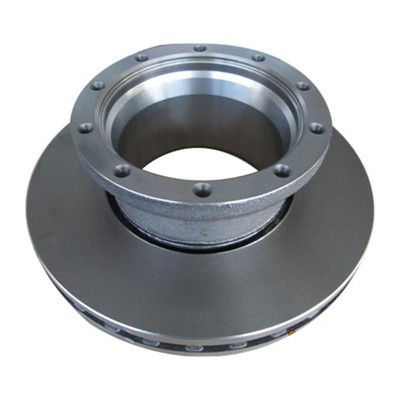
When it comes to upgrading your Buick's brake pads, understanding the installation process is crucial for both safety and performance. As a trusted Buick Brake Pads supplier, I'm here to guide you through every step of this essential maintenance task.
Preparation
Before you start the installation process, gather all the necessary tools and materials. You'll need a lug wrench, a jack, jack stands, a C-clamp or brake caliper tool, a socket set, a flathead screwdriver, and of course, the new Buick brake pads. It's also a good idea to have some brake cleaner and a wire brush on hand to clean the caliper and rotor surfaces.
First, park your Buick on a flat, level surface and engage the parking brake. Use the lug wrench to loosen the lug nuts on the wheel that you'll be working on, but don't remove them just yet. Then, use the jack to lift the vehicle until the wheel is about 6 - 8 inches off the ground. Place the jack stands under the vehicle's designated jacking points and lower the vehicle onto the stands for added safety.
Removing the Old Brake Pads
Once the vehicle is safely supported on the jack stands, remove the lug nuts and take off the wheel. Set the wheel aside in a safe place. Now, locate the brake caliper, which is usually a large, metal component that straddles the brake rotor. The caliper is held in place by two bolts, which are typically located on the backside of the caliper. Use a socket set to remove these bolts and carefully lift the caliper off the rotor.
Be careful not to let the caliper hang by the brake hose, as this can damage the hose. Instead, use a piece of wire or a bungee cord to suspend the caliper from the vehicle's frame. With the caliper removed, you'll be able to see the old brake pads. They are held in place by a retaining clip or spring. Use a flathead screwdriver to remove the clip or spring and then slide the old brake pads out of the caliper bracket.
Inspecting the Brake Components
Before installing the new brake pads, take a moment to inspect the other brake components, such as the brake rotor and caliper. Look for any signs of wear, damage, or unevenness on the rotor surface. If the rotor is severely worn or damaged, it may need to be resurfaced or replaced. Also, check the caliper for any signs of leaks, corrosion, or sticking pistons. If you notice any issues with the caliper, it's best to have it repaired or replaced by a professional mechanic.


If the rotor and caliper are in good condition, use a wire brush and brake cleaner to clean the caliper bracket and the rotor surface. This will help to ensure a proper fit and performance of the new brake pads.
Installing the New Brake Pads
Now it's time to install the new brake pads. Start by lubricating the back of the brake pads with a thin layer of brake grease. This will help to prevent noise and vibration during braking. Then, slide the new brake pads into the caliper bracket, making sure they are properly seated and aligned.
Next, you'll need to compress the caliper piston to make room for the new, thicker brake pads. You can use a C - clamp or a brake caliper tool for this task. Place the tool against the caliper piston and slowly turn the handle to compress the piston until it is fully retracted. Be careful not to over - compress the piston, as this can damage the caliper.
Once the piston is compressed, carefully place the caliper back over the rotor and the new brake pads. Insert the caliper bolts and tighten them to the manufacturer's specifications. Make sure the caliper is securely attached to the caliper bracket.
Reassembling the Wheel
After the caliper is installed, it's time to put the wheel back on. Line up the wheel with the wheel hub and insert the lug nuts. Tighten the lug nuts by hand as much as possible, and then use a torque wrench to tighten them to the proper torque specification. This is important to ensure that the wheel is securely attached to the vehicle and to prevent it from coming loose while driving.
Lower the vehicle off the jack stands using the jack and then use the torque wrench to re - check the lug nut torque. Make sure all the lug nuts are tightened evenly.
Testing the Brakes
Before you take your Buick for a drive, it's important to test the brakes. Start the vehicle and pump the brake pedal a few times to build up the brake pressure. Then, slowly drive the vehicle forward at a low speed and apply the brakes gently. Make sure the brakes feel firm and responsive. If you notice any issues, such as a soft or spongy brake pedal, a pulling sensation to one side, or unusual noises, stop the vehicle immediately and have the brakes inspected by a professional.
Why Choose Our Buick Brake Pads?
As a leading Buick Brake Pads supplier, we offer a wide range of high - quality brake pads to meet your specific needs. Our brake pads are made from premium materials and are designed to provide excellent stopping power, durability, and noise reduction.
We have different types of brake pads available, such as Motorcycle Brake Pads, Metallic Brake Pads, and EAGLE Brake Pads. Each type of brake pad has its own unique characteristics and benefits. For example, metallic brake pads are known for their high - performance and long - lasting durability, while ceramic brake pads offer quiet operation and low dust generation.
Our team of experts is always available to provide you with professional advice and support. Whether you're a DIY enthusiast or a professional mechanic, we can help you choose the right brake pads for your Buick and ensure a successful installation.
Contact Us for Purchasing
If you're interested in purchasing our high - quality Buick brake pads, we encourage you to get in touch with us. We offer competitive prices, fast shipping, and excellent customer service. Our team is ready to assist you with any questions you may have about our products or the installation process. Contact us today to start the purchasing process and experience the difference that our brake pads can make for your Buick.
References
- "Automotive Brake Systems: Diagnosis and Service" by James D. Halderman
- Buick vehicle owner's manual
- Various automotive repair guides and online resources