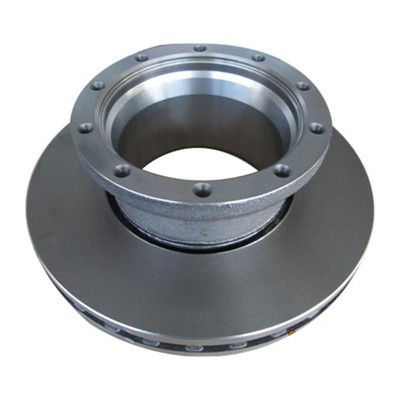
As a dedicated supplier of FORD Brake Pads, I often encounter a crucial question from our customers: What is the maximum temperature FORD brake pads can withstand? This question is not only relevant to the performance and safety of FORD vehicles but also reflects the importance of understanding the technical specifications of brake pads. In this blog, I will delve into the factors affecting the maximum temperature tolerance of FORD brake pads, explore the typical temperature ranges, and discuss the implications for vehicle owners and enthusiasts.
Factors Affecting the Maximum Temperature Tolerance
The maximum temperature that FORD brake pads can withstand is influenced by several key factors, each playing a significant role in determining the overall performance and durability of the brake system.
Material Composition
The material used in the manufacturing of brake pads is perhaps the most critical factor affecting their temperature tolerance. Different types of brake pad materials have distinct properties that determine how they respond to heat. For instance, organic brake pads, which are made from a mixture of various fibers and resins, generally have a lower maximum temperature tolerance compared to semi - metallic or ceramic brake pads. Organic brake pads are known for their quiet operation and gentle wear on brake rotors, but they tend to break down at relatively lower temperatures, typically around 300 - 400 degrees Celsius.
Semi - metallic brake pads, on the other hand, contain a significant amount of metal fibers, such as steel, copper, or iron. These metal fibers enhance the heat dissipation capabilities of the brake pads, allowing them to withstand higher temperatures. Semi - metallic brake pads can typically handle temperatures up to 500 - 600 degrees Celsius. They offer excellent braking performance under normal driving conditions and are more resistant to fade compared to organic brake pads.
Ceramic brake pads are the premium choice when it comes to high - temperature performance. Made from a composite of ceramic fibers, bonding agents, and other materials, ceramic brake pads can withstand extremely high temperatures, often exceeding 600 degrees Celsius. They are also known for their low dust production, long lifespan, and quiet operation. However, they are generally more expensive than organic and semi - metallic brake pads.
Brake System Design
The design of the FORD vehicle's brake system also plays a role in determining the maximum temperature tolerance of the brake pads. Factors such as the size and shape of the brake calipers, the diameter and thickness of the brake rotors, and the ventilation of the braking components all affect how heat is generated and dissipated. A well - designed brake system with large - diameter rotors and efficient ventilation can help to keep the brake pads cooler during heavy braking, allowing them to operate at higher temperatures without experiencing significant fade.
For example, high - performance FORD vehicles often feature larger brake rotors and multi - piston brake calipers. These components provide a greater surface area for braking, which helps to distribute the braking force more evenly and reduce the amount of heat generated per unit area. Additionally, ventilated brake rotors, which have internal channels that allow air to flow through and cool the rotor, can significantly improve the heat dissipation capabilities of the brake system.
Driving Conditions
The way a vehicle is driven has a direct impact on the temperature of the brake pads. Aggressive driving, such as frequent hard braking, high - speed driving, and towing heavy loads, can cause the brake pads to generate a large amount of heat. In contrast, gentle driving with smooth braking maneuvers will result in lower brake pad temperatures.
For instance, if you are driving a FORD truck and towing a heavy trailer up a steep mountain pass, the brake pads will be subjected to much higher temperatures compared to normal city driving. In such situations, the brake pads need to be able to withstand the increased heat without losing their braking effectiveness.
Typical Temperature Ranges for FORD Brake Pads
The maximum temperature that FORD brake pads can withstand varies depending on the specific model and type of brake pads used. However, we can provide some general guidelines based on the common brake pad materials.
For standard organic brake pads used in many FORD passenger cars, the maximum temperature tolerance is usually in the range of 300 - 400 degrees Celsius. These brake pads are suitable for normal daily driving conditions, where the braking demands are relatively low.
Semi - metallic brake pads, which are commonly found in mid - range and performance FORD vehicles, can typically handle temperatures between 500 - 600 degrees Celsius. They are a good choice for drivers who engage in more spirited driving or who need reliable braking performance under a wider range of conditions.
Ceramic brake pads, often used in high - end FORD models or for performance upgrades, can withstand temperatures well above 600 degrees Celsius. They offer the highest level of heat resistance and are ideal for drivers who demand the best braking performance, especially in extreme driving situations.
Implications for Vehicle Owners and Enthusiasts
Understanding the maximum temperature tolerance of FORD brake pads is crucial for vehicle owners and enthusiasts. It can help them make informed decisions when it comes to choosing the right brake pads for their vehicles and driving styles.


If you are a casual driver who mainly uses your FORD vehicle for commuting and normal city driving, organic brake pads may be a suitable and cost - effective choice. They provide quiet operation and gentle wear on the brake rotors, and their lower temperature tolerance is sufficient for the relatively light braking demands of everyday driving.
On the other hand, if you are an enthusiast who enjoys spirited driving or participates in track events, you may want to consider upgrading to semi - metallic or ceramic brake pads. These brake pads offer better heat resistance and performance under high - stress conditions, reducing the risk of brake fade and ensuring consistent braking performance.
It is also important to note that exceeding the maximum temperature tolerance of the brake pads can have serious consequences. When brake pads overheat, they can experience brake fade, which is a significant reduction in braking effectiveness. Brake fade can lead to longer stopping distances and increased risk of accidents. Additionally, overheating can cause the brake pads to wear out more quickly and may even damage the brake rotors.
Our Product Offerings
As a FORD Brake Pads supplier, we offer a wide range of brake pads to meet the diverse needs of our customers. Our product lineup includes high - quality organic, semi - metallic, and ceramic brake pads that are specifically designed for FORD vehicles.
We also supply other types of brake pads, such as EAGLE Brake Pads, CADILLAC Brake Pads, and Passenger Car Brake Pads. These brake pads are manufactured to the highest standards and undergo rigorous testing to ensure their performance and reliability.
Contact Us for Purchase and Consultation
If you are interested in purchasing FORD brake pads or have any questions about our products, we encourage you to contact us. Our team of experts is ready to assist you in selecting the right brake pads for your vehicle and driving style. Whether you need advice on temperature tolerance, installation, or maintenance, we are here to help.
References
- "Automotive Brake Systems: Principles and Diagnosis" by James D. Halderman
- "Brake Pad Technology and Performance" by various industry experts in automotive engineering publications