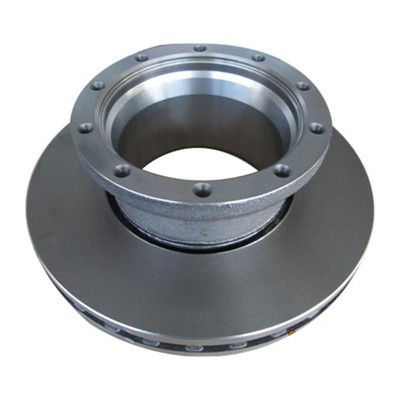
As a supplier of Chevy Brake Discs, I understand the importance of maintaining these crucial components for optimal vehicle performance and safety. Cleaning Chevy brake discs is a task that requires precision and the right approach. In this blog, I'll share the proper way to clean Chevy brake discs, ensuring that they function at their best.
Why Clean Chevy Brake Discs?
Brake discs are constantly exposed to high temperatures, friction, and debris. Over time, brake dust, rust, and other contaminants can accumulate on the surface of the discs. This build - up can lead to several problems. Firstly, it can reduce the friction between the brake pads and the discs, resulting in decreased braking efficiency. Secondly, it may cause uneven wear on the brake pads and discs, leading to a noisy braking system and potentially costly repairs. By regularly cleaning your Chevy brake discs, you can extend their lifespan, improve braking performance, and enhance overall safety.


Tools and Materials Needed
Before you start cleaning your Chevy brake discs, gather the following tools and materials:
- Brake cleaner: A high - quality brake cleaner is essential. It is designed to quickly dissolve brake dust, grease, and other contaminants without leaving any residue.
- Soft brushes: You'll need a few soft - bristled brushes. A small detail brush can be used to clean hard - to - reach areas, while a larger brush can be used for general cleaning.
- Microfiber cloths: These are ideal for wiping down the brake discs after cleaning, as they won't scratch the surface.
- Safety equipment: Wear gloves and safety glasses to protect yourself from the brake cleaner and any debris that may be dislodged during the cleaning process.
Step - by - Step Cleaning Process
Step 1: Prepare the Vehicle
Park your Chevy on a flat, stable surface and engage the parking brake. For added safety, use wheel chocks to prevent the vehicle from rolling. If you're working on the front brakes, turn the steering wheel all the way to one side to expose the brake discs more easily.
Step 2: Remove the Wheels
Use a lug wrench to loosen the lug nuts on the wheel you're working on. Then, use a jack to lift the vehicle until the wheel is off the ground. Remove the lug nuts completely and take off the wheel. Place the wheel in a safe location.
Step 3: Inspect the Brake Discs
Before you start cleaning, take a close look at the brake discs. Check for any signs of damage, such as cracks, grooves, or excessive wear. If you notice any serious issues, it may be necessary to replace the brake discs. You can also check the brake pads for wear at this time.
Step 4: Clean the Brake Discs
- Spray the brake cleaner: Hold the brake cleaner can about 6 - 8 inches away from the brake disc and spray it evenly over the entire surface. Make sure to cover both the inner and outer sides of the disc, as well as the edges. The brake cleaner will start to dissolve the brake dust and other contaminants immediately.
- Use the brushes: Once the brake cleaner has been applied, use the soft brushes to gently scrub the brake disc. Pay special attention to the areas with heavy build - up, such as the ventilation slots in the disc. Be careful not to apply too much pressure, as you don't want to scratch the surface of the disc.
- Rinse and repeat if necessary: If there is still a significant amount of dirt or debris on the disc, you can spray more brake cleaner and repeat the brushing process. Make sure to get into all the nooks and crannies of the disc.
Step 5: Wipe Down the Brake Discs
After you're satisfied with the cleaning, use a microfiber cloth to wipe down the brake discs. This will remove any remaining brake cleaner and debris. Make sure the discs are completely dry before reinstalling the wheels.
Step 6: Reinstall the Wheels
Carefully place the wheel back onto the hub and hand - tighten the lug nuts. Lower the vehicle using the jack until the wheel is on the ground. Then, use the lug wrench to tighten the lug nuts in a star pattern to ensure even tightening.
Additional Tips
- Frequency of cleaning: It's a good idea to clean your Chevy brake discs every time you change your brake pads. You can also clean them during regular maintenance intervals, such as oil changes.
- Avoid using abrasive materials: Using abrasive materials, such as steel wool or rough - textured brushes, can scratch the surface of the brake discs. This can lead to uneven wear and reduced braking performance.
- Proper storage: If you're not going to be using your Chevy for an extended period, it's a good idea to store it in a dry place. Moisture can cause rust to form on the brake discs, which can affect their performance.
Comparison with Other Brake Discs
When it comes to brake discs, different vehicles have different requirements. For example, Toyota Brake Disc may have a different design and material composition compared to Chevy brake discs. Toyota brake discs are often engineered to meet the specific performance and safety standards of Toyota vehicles. Similarly, Modified Brake Disc are designed for enhanced performance, such as improved heat dissipation and braking power. These discs may be used in high - performance or customized vehicles. AUDI Brake Disc are known for their precision engineering and high - quality materials, which are tailored to the luxury and performance requirements of Audi vehicles.
Contact for Purchase and Discussion
If you're in the market for high - quality Chevy Brake Discs, I'm here to assist you. Whether you're a mechanic, a car enthusiast, or a fleet manager, I can provide you with the best brake discs for your Chevy vehicles. I offer a wide range of brake discs that are designed to meet the specific needs of different Chevy models. Contact me to discuss your requirements and get a competitive quote. I'm committed to providing excellent customer service and ensuring that you're satisfied with your purchase.
References
- "Automotive Brake Systems: Design, Analysis, and Testing" by John C. Dixon
- "Brake Handbook" by Fred Puhn