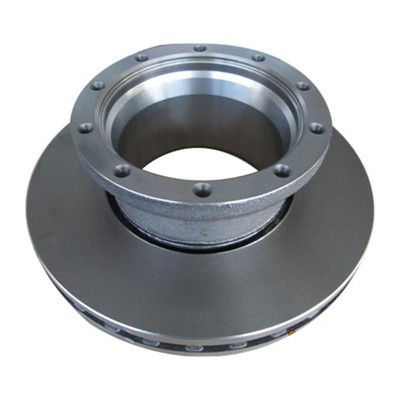
Hey there! As a supplier of Ford brake discs, I often get asked about the resurfacing process for these crucial components. So, let's dive right in and break it down.
First off, what exactly is brake disc resurfacing? Well, over time, brake discs can develop all sorts of issues. They might get grooved, warped, or just generally worn out from the constant friction and heat generated when you hit the brakes. Resurfacing is a way to restore the smooth, flat surface of the brake disc, which helps to ensure optimal braking performance.
The Inspection Phase
Before we start the resurfacing process, we always do a thorough inspection of the Ford brake discs. This step is super important because it helps us figure out if resurfacing is even a viable option. We check for things like cracks, excessive wear, and the thickness of the disc. There are minimum thickness specifications for Ford brake discs, and if the disc has worn down beyond that point, resurfacing won't cut it. In that case, we'd recommend a replacement.
We use a micrometer to measure the thickness of the brake disc at multiple points. This gives us an accurate picture of how much material is left. If the disc is still within the acceptable thickness range and doesn't have any major structural damage, then we can move on to the resurfacing part.


The Resurfacing Process
Once we've determined that the brake disc can be resurfaced, we use a specialized machine called a brake lathe. This machine is like a big, high - tech grinder. It has a cutting tool that rotates against the surface of the brake disc, removing a thin layer of metal. The goal is to create a smooth, flat surface that will provide even contact with the brake pads.
There are two main types of brake lathes: on - car lathes and off - car lathes. On - car lathes are attached directly to the vehicle's hub, and they resurface the brake disc while it's still on the car. This method ensures that the resurfaced disc is perfectly centered and aligned with the rest of the braking system. Off - car lathes, on the other hand, require us to remove the brake disc from the vehicle and mount it on the lathe. This is a more common method in a shop setting, as it allows for more precise control over the resurfacing process.
During the resurfacing, we carefully adjust the cutting tool to remove just the right amount of material. We don't want to take off too much, as that could make the disc too thin and compromise its structural integrity. At the same time, we need to remove enough material to get rid of the grooves and unevenness on the surface.
After the initial cutting, we use a finer grit on the lathe to smooth out the surface even more. This gives the brake disc a nice, polished finish that will help the brake pads grip better.
Cleaning and Testing
Once the resurfacing is done, we clean the brake disc thoroughly. We use a special brake cleaner to remove any metal shavings, dust, or debris that might have accumulated during the process. This is important because any leftover particles could cause problems with the braking performance.
After cleaning, we do a final inspection of the resurfaced brake disc. We check the surface for any remaining imperfections and make sure that the thickness is still within the acceptable range. If everything looks good, we're ready to reinstall the brake disc on the vehicle.
Why Resurface Ford Brake Discs?
Resurfacing Ford brake discs has several benefits. First of all, it's a cost - effective alternative to replacing the entire disc. New brake discs can be pretty expensive, especially for some Ford models. By resurfacing, you can save a significant amount of money while still getting good braking performance.
Secondly, resurfacing helps to extend the life of the brake discs. If you catch the wear and tear early and get the discs resurfaced, you can avoid having to replace them prematurely. This not only saves you money but also reduces waste.
Finally, resurfaced brake discs can improve the overall braking performance of your Ford vehicle. A smooth, flat surface provides better contact between the brake pads and the disc, which means more efficient braking and shorter stopping distances.
Comparing with Other Brands
It's worth noting that while the basic concept of brake disc resurfacing is similar across different car brands, there are some differences. For example, Volvo Brake Discs might have different thickness specifications and design features compared to Ford brake discs. The same goes for Chevy Brake Discs and Mercedes - Benz Brake Disc. Each brand designs its brake systems to meet specific performance and safety requirements, so it's important to use the right techniques and tools when resurfacing brake discs for different vehicles.
Conclusion
So, there you have it - the resurfacing process for Ford brake discs. It's a detailed and important procedure that can help keep your Ford vehicle's braking system in top shape. If you're in the market for Ford brake discs or need them resurfaced, don't hesitate to reach out. We're here to provide you with high - quality products and expert advice. Whether you're a car enthusiast looking to upgrade your braking system or a professional mechanic in need of reliable brake disc supplies, we've got you covered. Contact us to start a discussion about your brake disc needs and let's work together to get the best solution for you.
References
- Brake System Handbook by ABC Publishing
- Ford Vehicle Maintenance Manual