The anchor pin is a small yet crucial component in the rear brake shoe assembly. As a rear brake shoes supplier, I've witnessed firsthand the significance of this unassuming part in ensuring the proper functioning of a vehicle's braking system. In this blog, I'll delve into the role of the anchor pin in rear brake shoes, exploring its functions, importance, and how it contributes to overall braking performance.
Understanding the Basics of Rear Brake Shoes
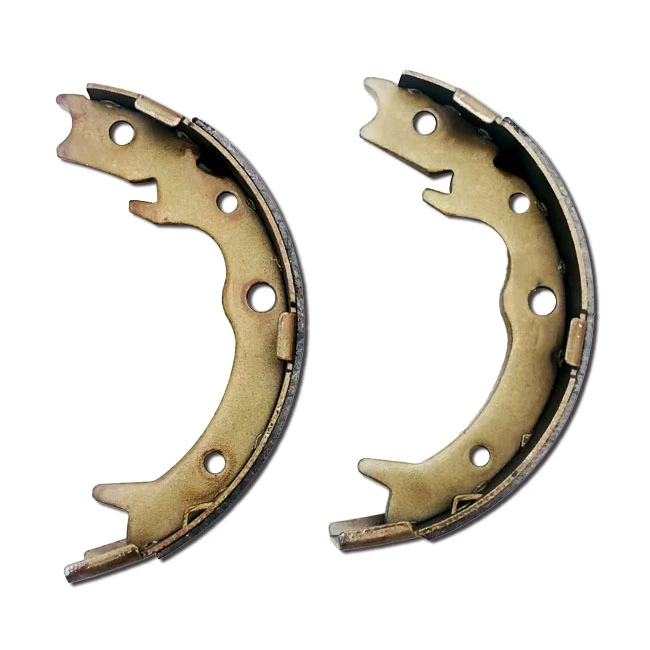
Before we discuss the role of the anchor pin, let's briefly review the basic components of rear brake shoes. Rear brake shoes are part of a drum brake system, which is commonly found in the rear wheels of many vehicles. The drum brake system consists of a brake drum, brake shoes, wheel cylinders, springs, and an anchor pin. When the driver presses the brake pedal, hydraulic pressure is applied to the wheel cylinders, which in turn push the brake shoes against the inner surface of the brake drum. This friction between the brake shoes and the drum slows down the rotation of the wheel, bringing the vehicle to a stop.
The Role of the Anchor Pin
The anchor pin plays several key roles in the operation of rear brake shoes:
1. Support and Stability
The anchor pin serves as a fixed point of support for the brake shoes. It is typically located at the top or bottom of the brake shoe assembly, depending on the design of the drum brake system. The brake shoes are pivoted around the anchor pin, allowing them to move in a controlled manner when the wheel cylinders apply pressure. This pivot point ensures that the brake shoes make proper contact with the brake drum, providing even and consistent braking force.
2. Alignment
Proper alignment of the brake shoes is essential for optimal braking performance. The anchor pin helps to maintain the correct alignment of the brake shoes within the drum brake system. It ensures that the brake shoes are positioned parallel to the inner surface of the brake drum, preventing uneven wear and reducing the risk of brake noise and vibration.
3. Retention
In addition to providing support and alignment, the anchor pin also helps to retain the brake shoes in place. It prevents the brake shoes from moving out of position during normal braking operation or when the vehicle is in motion. This is particularly important when the vehicle is subjected to sudden stops or heavy braking, as it ensures that the brake shoes remain securely in contact with the brake drum.
4. Force Distribution
When the wheel cylinders apply pressure to the brake shoes, the anchor pin helps to distribute the braking force evenly across the surface of the brake shoes. This ensures that the braking force is applied uniformly to the brake drum, maximizing the efficiency of the braking system and reducing the risk of brake fade.
Importance of a Properly Functioning Anchor Pin
A properly functioning anchor pin is essential for the safe and reliable operation of the rear brake shoes. If the anchor pin becomes worn, damaged, or loose, it can have a significant impact on the performance of the braking system. Here are some potential issues that can arise from a faulty anchor pin:
1. Uneven Brake Wear
If the anchor pin is not providing proper support or alignment, the brake shoes may not make even contact with the brake drum. This can result in uneven wear on the brake shoes, causing them to wear out prematurely and reducing their effectiveness. Uneven brake wear can also lead to brake noise, vibration, and a decrease in braking performance.
2. Reduced Braking Efficiency
A loose or damaged anchor pin can cause the brake shoes to move out of position, reducing the amount of contact between the brake shoes and the brake drum. This can result in a decrease in braking efficiency, making it more difficult to stop the vehicle quickly and safely. In extreme cases, a faulty anchor pin can even cause the brake shoes to disengage from the brake drum, resulting in a complete loss of braking power.
3. Increased Risk of Brake Failure
Over time, a worn or damaged anchor pin can weaken the entire brake shoe assembly, increasing the risk of brake failure. If the anchor pin breaks or fails completely, the brake shoes may become detached from the drum brake system, rendering the brakes ineffective. This can be extremely dangerous, especially when driving at high speeds or in heavy traffic.
Maintenance and Inspection of the Anchor Pin
To ensure the proper functioning of the anchor pin and the rear brake shoes, it is important to perform regular maintenance and inspections. Here are some tips for maintaining and inspecting the anchor pin:
1. Visual Inspection
During routine brake inspections, visually inspect the anchor pin for signs of wear, damage, or corrosion. Look for any cracks, chips, or excessive wear on the surface of the anchor pin. If you notice any signs of damage, replace the anchor pin immediately.
2. Lubrication
Proper lubrication of the anchor pin is essential to prevent corrosion and ensure smooth operation. Apply a small amount of high-temperature brake lubricant to the anchor pin and the pivot points of the brake shoes. This will help to reduce friction and wear, extending the lifespan of the anchor pin and the brake shoes.
3. Torque Check
When installing or replacing the anchor pin, make sure to tighten it to the manufacturer's recommended torque specifications. Over-tightening or under-tightening the anchor pin can cause it to become damaged or loose, leading to potential braking problems.

4. Professional Inspection
If you are unsure about the condition of the anchor pin or the rear brake shoes, it is recommended to have them inspected by a qualified mechanic. A professional mechanic has the knowledge and experience to properly diagnose and repair any issues with the brake system, ensuring your safety on the road.
Conclusion
In conclusion, the anchor pin plays a vital role in the operation of rear brake shoes. It provides support, stability, alignment, and retention for the brake shoes, ensuring proper contact with the brake drum and efficient braking performance. By understanding the importance of the anchor pin and performing regular maintenance and inspections, you can help to ensure the safety and reliability of your vehicle's braking system.
If you are in the market for high-quality Rear Brake Shoes, BMW Rear Brake Shoes, or Handbrake Pad, we invite you to contact us for more information. Our team of experts is dedicated to providing the best products and services to meet your braking needs. Whether you are a professional mechanic or a DIY enthusiast, we have the products and expertise to help you keep your vehicle's brakes in top condition.
References
- Automotive Brake Systems: Principles and Diagnosis by James D. Halderman
- Brake Handbook by Ray Bohacz