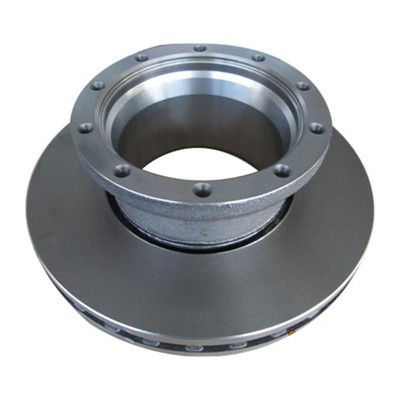
As a trusted supplier of BMW brake discs, I've witnessed firsthand the intricate dance between calipers and brake discs in the high - performance world of BMW vehicles. In this blog, I'll delve into the role of the caliper in conjunction with BMW brake discs, exploring how these components work together to ensure the safety and performance that BMW drivers expect.
Understanding the Basics: Caliper and Brake Disc Function
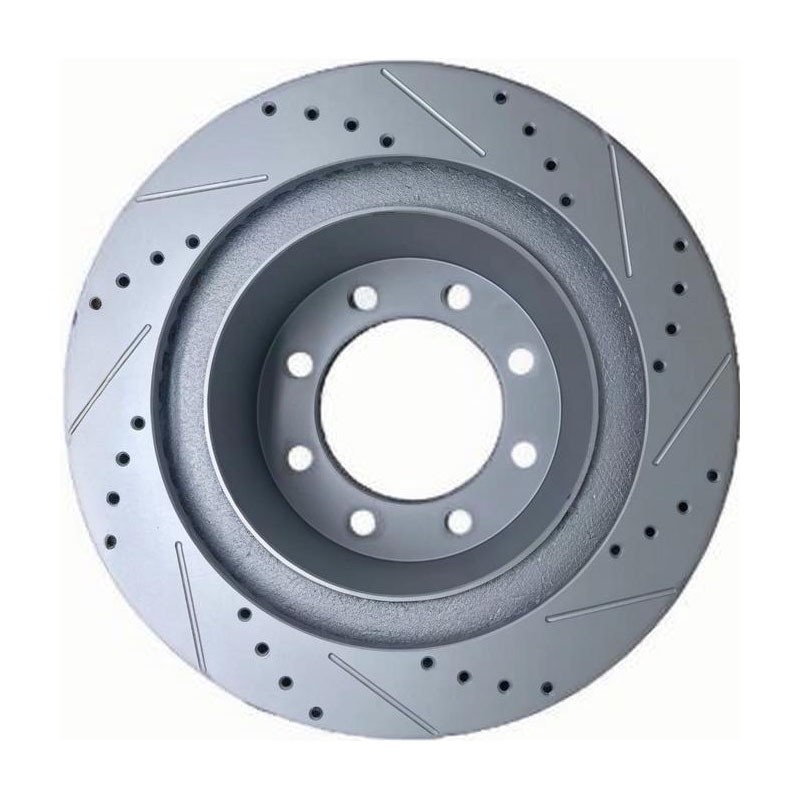
Before we discuss their combined operation, let's briefly understand the individual functions of the caliper and the brake disc. The brake disc, also known as the brake rotor, is a flat, circular metal component attached to the wheel hub. When the brakes are applied, the friction between the brake disc and other components slows down the rotation of the wheel, bringing the vehicle to a stop.
On the other hand, the caliper is a crucial part of the braking system that houses the brake pads. Its primary function is to squeeze the brake pads against the brake disc when the driver presses the brake pedal. This action creates the friction necessary to decelerate the vehicle.
The Conjunction of Caliper and BMW Brake Discs
When it comes to BMW vehicles, precision engineering is at the heart of every component. The caliper and brake disc are no exception. The caliper is precisely designed to fit the specific BMW brake disc model, ensuring optimal performance.
Force Application
The caliper acts as the force - applying mechanism. When the driver presses the brake pedal, hydraulic pressure is generated in the brake lines. This pressure is transferred to the caliper, which then squeezes the brake pads against the brake disc. The design of the caliper ensures that the force is evenly distributed across the surface of the brake disc. In BMW vehicles, this even force distribution is essential for smooth and consistent braking. Uneven force can lead to uneven wear on the brake disc, reducing its lifespan and potentially causing braking problems such as vibrations or pulling to one side.
Heat Dissipation
Braking generates a significant amount of heat. The brake disc is designed to dissipate this heat effectively, but the caliper also plays a role in this process. The caliper is in close proximity to the brake disc, and its design allows for some heat transfer. Additionally, the materials used in BMW calipers are chosen for their heat - resistant properties. This helps to prevent the caliper from overheating, which could lead to brake fade. Brake fade occurs when the braking performance decreases due to excessive heat, and it is a serious safety concern. By working in conjunction with the brake disc to manage heat, the caliper helps to maintain consistent braking performance, even under extreme conditions.
Response Time
In high - performance BMW vehicles, quick response time is crucial. The caliper is designed to respond rapidly to the driver's braking input. When the brake pedal is pressed, the caliper must immediately apply pressure to the brake pads. BMW's advanced hydraulic systems and well - engineered calipers ensure that there is minimal delay between the pedal press and the actual braking action. This quick response time is essential for emergency braking situations, where every millisecond counts.
Comparison with Other Brands
To better understand the unique role of the caliper in conjunction with BMW brake discs, let's compare it with other brands. For example, Chevy Brake Discs and Toyota Brake Discs.
Chevy vehicles often have a more utilitarian approach to braking systems. The calipers and brake discs are designed to provide reliable braking for a wide range of driving conditions, including heavy - duty use. While they offer good performance, the precision engineering found in BMW systems may not be as pronounced. Chevy calipers may have a different force - distribution pattern and heat - management strategy compared to BMW calipers.
Toyota, on the other hand, is known for its reliability and efficiency. Toyota's braking systems, such as the Toyota Floating Carbon BrakeDiscs, are designed to offer consistent performance over a long period. However, the focus on cost - effectiveness and mass - production may lead to some differences in the way the caliper and brake disc interact compared to BMW. BMW's emphasis on high - performance driving means that the caliper and brake disc are optimized for quick acceleration and deceleration, as well as precise handling.
Importance of Quality Components
As a BMW brake disc supplier, I understand the importance of using high - quality components. The caliper and brake disc must work together seamlessly, and any compromise in quality can have a significant impact on braking performance.
Material Selection
The materials used in BMW calipers and brake discs are carefully chosen. Brake discs are often made from high - grade cast iron or carbon - ceramic composites. These materials offer excellent heat - dissipation properties and high resistance to wear. Calipers are typically made from aluminum or other lightweight yet strong materials. The choice of materials ensures that the components are both durable and lightweight, which is important for overall vehicle performance.
Manufacturing Precision
The manufacturing process of BMW calipers and brake discs is highly precise. Tight tolerances are maintained to ensure a perfect fit between the caliper and the brake disc. This precision is crucial for optimal braking performance. Any deviation from the specified tolerances can lead to problems such as uneven wear, noise, or reduced braking efficiency.
Maintaining the Conjunction
Proper maintenance is essential to ensure that the caliper and BMW brake disc continue to work together effectively.
Regular Inspections
Regular inspections of the braking system are necessary. This includes checking the condition of the brake pads, calipers, and brake discs. Signs of wear, such as thin brake pads or scored brake discs, should be addressed promptly. Inspecting the caliper for leaks or damage is also important, as a faulty caliper can compromise the entire braking system.
Lubrication
The caliper slides and pins should be lubricated regularly. This helps to ensure smooth movement of the caliper, allowing it to apply even pressure on the brake pads. Proper lubrication also prevents corrosion, which can cause the caliper to stick and lead to uneven braking.
Conclusion
In conclusion, the caliper plays a vital role in conjunction with BMW brake discs. It is responsible for applying force, managing heat, and ensuring a quick response time. The precision engineering and high - quality components used in BMW vehicles make the interaction between the caliper and brake disc a key factor in the vehicle's overall braking performance.
As a supplier of BMW brake discs, I am committed to providing the highest - quality products. If you are in the market for BMW brake discs or have any questions about the braking system, I encourage you to reach out for a procurement discussion. I can offer expert advice and supply you with the components you need to keep your BMW performing at its best.

References
- Bosch Automotive Handbook, 7th Edition
- BMW Technical Service Manuals