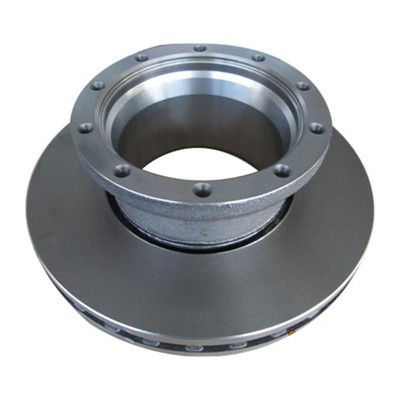
What is the wear rate of BMW brake discs?
As a dedicated supplier of BMW brake discs, I've delved deep into the intricacies of these crucial automotive components. Brake discs are fundamental to a vehicle's safety and performance, and understanding their wear rate is essential for both drivers and those in the automotive industry.
Factors Influencing the Wear Rate of BMW Brake Discs
Driving Habits
One of the most significant factors affecting the wear rate of BMW brake discs is the driver's behavior. Aggressive driving, which includes frequent hard braking, rapid acceleration, and high - speed driving, can substantially increase the wear on brake discs. When a driver slams on the brakes, a large amount of kinetic energy is converted into heat energy in a short period. This sudden and intense heat generation can cause the brake discs to warp and wear out more quickly. For example, in urban areas with heavy traffic and stop - and - go situations, if a driver is constantly braking hard to avoid collisions, the brake discs will experience more stress compared to a driver who practices smooth and anticipatory driving.
Road Conditions
The type of roads on which a BMW is driven also plays a vital role in the wear rate of brake discs. Driving on rough, unpaved roads or roads with a lot of debris can cause abrasion to the brake discs. Small rocks and gravel can get trapped between the brake pads and the discs, acting like sandpaper and wearing down the surface of the discs. In contrast, driving on well - maintained highways generally results in less wear on the brake discs as there are fewer opportunities for debris to cause damage and the braking is usually more consistent.
Brake Pad Material
The material of the brake pads used in conjunction with the BMW brake discs is another crucial factor. Different brake pad materials have different levels of friction and hardness. Ceramic brake pads, for instance, are known for their low wear rate and quiet operation. They generate less heat and dust compared to semi - metallic brake pads. Semi - metallic brake pads, on the other hand, are more aggressive in terms of friction, which can lead to faster wear on the brake discs, but they also offer better braking performance under high - stress conditions.
Vehicle Load
The weight that a BMW is carrying can significantly impact the wear rate of its brake discs. A fully loaded vehicle requires more braking force to come to a stop compared to an empty one. For example, if a BMW is used for towing a trailer or carrying a large number of passengers and heavy luggage, the brake discs will have to work harder, resulting in increased wear. The additional mass means that more energy needs to be dissipated during braking, putting extra stress on the brake discs.
Measuring the Wear Rate of BMW Brake Discs
Measuring the wear rate of BMW brake discs is a process that requires precision. Most modern BMWs are equipped with sensors that can detect the thickness of the brake discs. These sensors send signals to the vehicle's onboard computer, which can then alert the driver when the brake discs are approaching the minimum safe thickness.
In a more technical setting, technicians can use micrometers to measure the thickness of the brake discs at multiple points. By taking measurements at regular intervals, they can calculate the rate at which the discs are wearing. For example, if a brake disc has a starting thickness of 30 mm and after 10,000 miles, it measures 28 mm, the wear rate over that distance is 0.2 mm per 1000 miles.
Industry Standards and Expected Wear Rates
The automotive industry has set certain standards for the wear rate of brake discs. For BMWs, the expected wear rate can vary depending on the model and the type of driving conditions. On average, under normal driving conditions, a BMW brake disc might wear at a rate of approximately 0.1 - 0.3 mm per 10,000 miles. However, this is just a rough estimate, and as mentioned earlier, factors such as driving habits, road conditions, and brake pad material can cause significant deviations from this average.
Our BMW Brake Discs: Quality and Durability
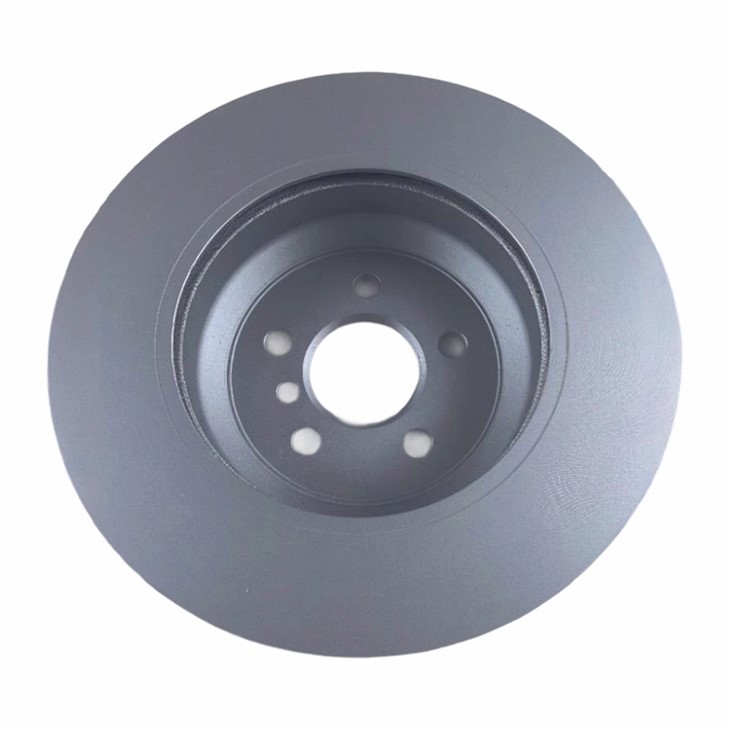
As a supplier of BMW brake discs, we take pride in offering products that are designed to meet and exceed industry standards. Our brake discs are manufactured using high - quality materials and advanced production techniques. We source the best raw materials, ensuring that they have the right combination of strength, heat resistance, and durability.
Our research and development team is constantly working on improving the design of our brake discs. We use computer - aided design (CAD) and finite element analysis (FEA) to optimize the shape and structure of the discs, reducing the stress concentration points and improving heat dissipation. This not only helps to extend the lifespan of the brake discs but also enhances their performance under various driving conditions.

Comparison with Other Brands
When comparing our BMW brake discs with those of other brands, we often find that our products offer better value for money. While some competitors may offer cheaper brake discs, these may not have the same level of quality and durability. For example, Mercedes - Benz Brake Disc and Mercedes Brake Disc are designed for a different set of vehicles and may have different wear characteristics. Our BMW brake discs are specifically engineered to fit the unique requirements of BMW models, ensuring a perfect match in terms of performance and compatibility.
In addition, we also offer Modified Brake Disc options for customers who are looking for enhanced performance. These modified brake discs are designed with features such as drilled or slotted patterns, which improve heat dissipation and braking performance, especially for high - performance driving.
Importance of Regular Maintenance
Regular maintenance is crucial for ensuring the optimal performance and longevity of BMW brake discs. This includes regular inspections by a qualified technician, who can check the thickness of the brake discs, the condition of the brake pads, and the overall braking system. It is also important to replace the brake pads at the recommended intervals, as worn - out brake pads can cause excessive wear on the brake discs.
During maintenance, the brake discs should be cleaned to remove any dirt, dust, or debris that may have accumulated. This helps to prevent abrasion and ensures smooth operation of the braking system. Additionally, if any signs of damage or excessive wear are detected, the brake discs should be replaced immediately to avoid safety issues.
Conclusion
Understanding the wear rate of BMW brake discs is essential for both drivers and those in the automotive industry. By considering factors such as driving habits, road conditions, brake pad material, and vehicle load, we can better predict and manage the wear of these crucial components.
As a supplier of BMW brake discs, we are committed to providing high - quality products that offer excellent performance and durability. Our products are designed to meet the unique needs of BMW vehicles, and we continuously strive to improve our offerings through research and development.
If you are in the market for BMW brake discs, whether for regular replacement or performance upgrades, we invite you to contact us for a detailed discussion. Our team of experts is ready to assist you in finding the right brake discs for your specific requirements. We look forward to the opportunity to serve you and contribute to the safety and performance of your BMW.
References
- Automotive Brake Systems Handbook, Second Edition. Edited by David Crolla.
- SAE International Journal of Passenger Cars - Mechanical Systems.
- BMW Technical Service Bulletins.