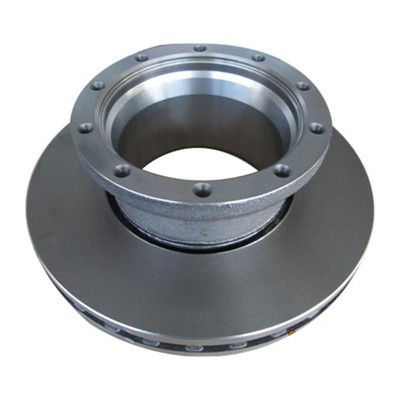
What is the Weight of BMW Brake Discs?
As a supplier of BMW brake discs, I've encountered numerous inquiries regarding the weight of these crucial automotive components. Understanding the weight of BMW brake discs is not only essential for automotive enthusiasts but also for mechanics, engineers, and those involved in the automotive supply chain. In this blog post, I'll delve into the factors that influence the weight of BMW brake discs, the typical weight ranges, and why it matters.
Factors Influencing the Weight of BMW Brake Discs
Several factors contribute to the weight of BMW brake discs. The first and most obvious factor is the size of the brake disc. Larger brake discs generally weigh more than smaller ones. BMW offers a variety of brake disc sizes across its different models, depending on the vehicle's performance requirements. For example, high - performance BMW models such as the M series often have larger brake discs to handle the increased braking forces associated with higher speeds and more aggressive driving.
The material used in the construction of the brake disc also plays a significant role in its weight. Traditional cast - iron brake discs are commonly used in many BMW models. Cast iron is a dense material, which means that cast - iron brake discs tend to be relatively heavy. However, they are also known for their durability, heat resistance, and cost - effectiveness.
On the other hand, some high - end BMW models may feature carbon - ceramic brake discs. Carbon - ceramic materials are much lighter than cast iron. They offer excellent heat dissipation properties and can withstand extreme temperatures without warping. This makes them ideal for high - performance applications. But due to the complex manufacturing process and the cost of materials, carbon - ceramic brake discs are more expensive than their cast - iron counterparts.
The design of the brake disc can also affect its weight. Ventilated brake discs, which have channels or vanes between the two friction surfaces, are designed to improve heat dissipation. These channels add some weight compared to solid brake discs, but the benefits in terms of braking performance and longevity often outweigh the additional weight.
Typical Weight Ranges of BMW Brake Discs
The weight of BMW brake discs can vary widely depending on the model and the type of brake disc. For a standard cast - iron brake disc used in a mid - size BMW sedan, such as the 3 Series, the front brake discs may weigh around 10 - 15 kilograms (22 - 33 pounds) each, while the rear brake discs may weigh slightly less, typically in the range of 8 - 12 kilograms (18 - 26 pounds) each.
In high - performance BMW models like the M5 or M8, the brake discs are larger and often more advanced. The front carbon - ceramic brake discs in these models can weigh significantly less than their cast - iron equivalents. A carbon - ceramic front brake disc in an M - series BMW might weigh around 5 - 8 kilograms (11 - 18 pounds) each, while the rear carbon - ceramic brake discs could weigh around 4 - 6 kilograms (9 - 13 pounds) each.

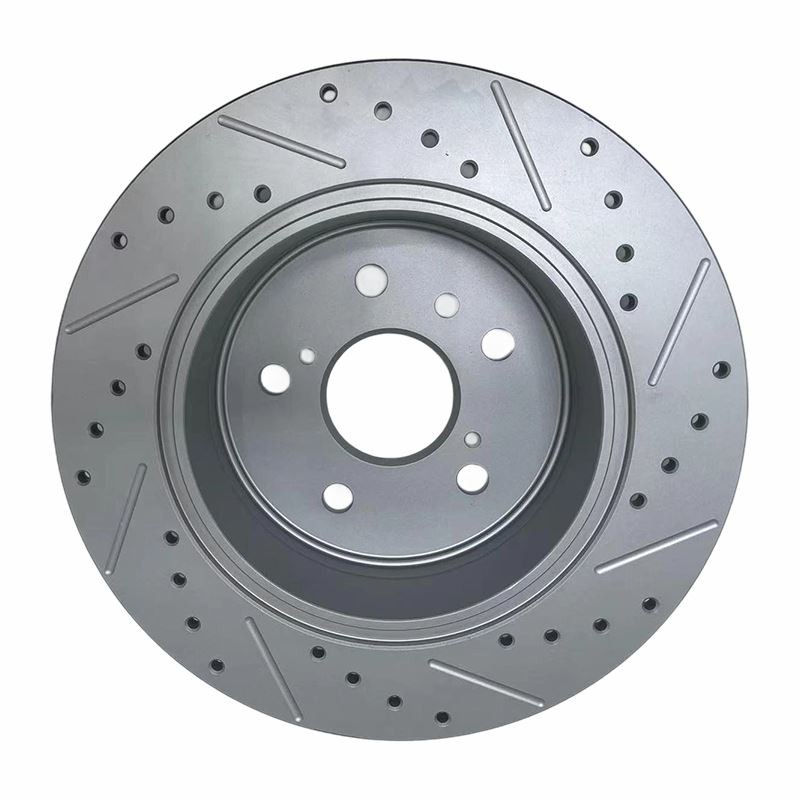
It's important to note that these are just approximate weight ranges, and the actual weight can vary depending on the specific year, trim level, and any aftermarket modifications of the vehicle.
Why the Weight of BMW Brake Discs Matters
The weight of brake discs has several implications for the overall performance and handling of a BMW vehicle. Firstly, reducing the weight of the brake discs can contribute to a reduction in unsprung weight. Unsprung weight refers to the weight of the components that are not supported by the vehicle's suspension system, such as the wheels, tires, and brake discs. A lower unsprung weight allows the suspension system to work more effectively, improving the vehicle's ride quality, handling, and traction.
Secondly, lighter brake discs can also improve fuel efficiency. Since the engine has to work less hard to accelerate and decelerate lighter components, reducing the weight of the brake discs can lead to a small but noticeable improvement in fuel economy.
In high - performance applications, the weight of the brake discs can have a significant impact on braking performance. Carbon - ceramic brake discs, with their lower weight and superior heat dissipation properties, can provide more consistent braking performance under extreme conditions. This is especially important for track - day enthusiasts and professional racing drivers.
Comparison with Other Brands
When comparing BMW brake discs with those of other brands, it's interesting to note the differences in weight and performance. For example, Ford Brake Discs are often designed with a focus on durability and cost - effectiveness. Ford's cast - iron brake discs may have similar weight characteristics to BMW's cast - iron discs, but the specific weights can vary depending on the Ford model.
Chevy Brake Discs also come in a range of sizes and materials. Chevrolet offers both cast - iron and carbon - ceramic brake options in some of its high - performance models. The weight of Chevy brake discs can be comparable to BMW's, but again, it depends on the specific vehicle and the type of brake disc used.
Mercedes - Benz Brake Disc designs are similar to BMW's in terms of using a combination of cast - iron and carbon - ceramic materials. Mercedes - Benz also focuses on providing high - performance braking solutions for its luxury and high - performance models. The weight differences between Mercedes - Benz and BMW brake discs are often subtle and depend on the specific engineering choices made for each vehicle.
Conclusion
In conclusion, the weight of BMW brake discs is influenced by factors such as size, material, and design. Cast - iron brake discs are heavier but more cost - effective, while carbon - ceramic brake discs are lighter and offer superior performance in high - stress situations. Understanding the weight of these brake discs is crucial for optimizing vehicle performance, handling, and fuel efficiency.
If you're in the market for high - quality BMW brake discs, whether for replacement or upgrade purposes, I invite you to reach out for a procurement discussion. We have a wide range of BMW brake discs in stock, including both cast - iron and carbon - ceramic options. Our team of experts can help you choose the right brake discs for your specific BMW model and driving needs.
References
- Automotive Engineering Handbook, various editions
- BMW official technical documentation
- Industry reports on automotive brake systems