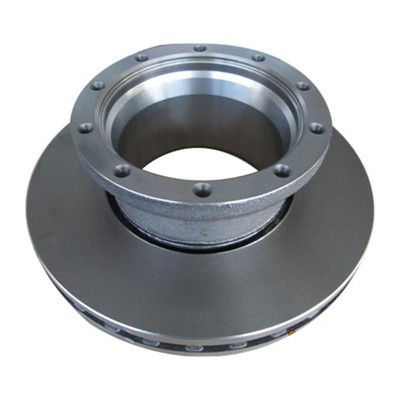
As a trusted supplier of Ford brake discs, I often receive inquiries about the weight of these crucial automotive components. Understanding the weight of Ford brake discs is essential for various reasons, from performance optimization to safety considerations. In this blog post, I'll delve into the factors that influence the weight of Ford brake discs, explore the implications of different weights, and provide some insights for those in the market for high - quality brake discs.
Factors Influencing the Weight of Ford Brake Discs
Material Composition
The material used in the manufacturing of Ford brake discs is one of the primary factors affecting their weight. Most commonly, brake discs are made from cast iron, which is known for its durability and heat - dissipation properties. Cast iron brake discs are relatively heavy due to the density of the material. However, they are also cost - effective and can withstand the high temperatures generated during braking.
Some high - performance Ford models may use brake discs made from carbon - ceramic composites. These materials are much lighter than cast iron, offering significant weight savings. Carbon - ceramic brake discs are also more resistant to wear and fade, making them ideal for high - speed driving and track use. However, they come at a much higher cost.
Design and Size
The design and size of the brake disc also play a crucial role in determining its weight. Larger brake discs are generally heavier than smaller ones because they have more material. The thickness of the disc is another important factor. Thicker discs are often used in applications where more braking power is required, such as in heavy - duty trucks or high - performance vehicles. These thicker discs will naturally weigh more.
In addition, the design of the brake disc can affect its weight. For example, ventilated brake discs, which have a series of vanes or channels between the two friction surfaces, are designed to improve heat dissipation. While they offer better performance, they are also slightly heavier than solid brake discs due to the additional material used in the ventilation design.
Application and Vehicle Model
The intended application of the brake disc and the specific Ford vehicle model it is designed for can influence its weight. Different vehicle models have different braking requirements based on their size, weight, and performance capabilities. For instance, a compact Ford sedan will require a different set of brake discs compared to a large Ford SUV. The SUV, being heavier and potentially capable of higher speeds, will need larger and more robust brake discs, which will result in a greater weight.
Implications of Different Brake Disc Weights
Performance
The weight of the brake disc can have a significant impact on the performance of the vehicle. Heavier brake discs generally offer more braking power because they have more mass to absorb and dissipate the energy generated during braking. This can be beneficial in situations where quick and powerful braking is required, such as in emergency stops.
On the other hand, lighter brake discs can improve the vehicle's handling and acceleration. Reducing the unsprung weight (the weight of the components not supported by the vehicle's suspension, including the brake discs) can make the vehicle more responsive and easier to maneuver. This is particularly important in high - performance and racing applications, where every ounce of weight reduction can make a difference.
Fuel Efficiency
The weight of the brake discs can also affect the vehicle's fuel efficiency. Heavier brake discs add to the overall weight of the vehicle, which means the engine has to work harder to move the vehicle. This can result in increased fuel consumption. By using lighter brake discs, the overall weight of the vehicle can be reduced, leading to improved fuel efficiency.
Wear and Tear
The weight of the brake disc can influence its wear and tear characteristics. Heavier brake discs may be more resistant to wear because they have more material to lose before they need to be replaced. However, they also generate more heat during braking, which can accelerate wear if the heat is not properly managed. Lighter brake discs, especially those made from carbon - ceramic materials, are generally more resistant to wear and fade, but they can be more expensive to replace.
Specific Weight Ranges for Ford Brake Discs
It's difficult to provide an exact weight for all Ford brake discs because there are so many different models and applications. However, I can give you a general idea of the weight ranges based on common Ford vehicle types.
For a compact Ford sedan, such as the Ford Focus, the front brake discs typically weigh between 8 and 12 pounds (3.6 to 5.4 kilograms) each, while the rear brake discs may weigh between 6 and 10 pounds (2.7 to 4.5 kilograms) each.
In a mid - size Ford sedan like the Ford Fusion, the front brake discs can weigh between 10 and 14 pounds (4.5 to 6.4 kilograms) each, and the rear brake discs may weigh between 8 and 12 pounds (3.6 to 5.4 kilograms) each.


For larger Ford SUVs, such as the Ford Explorer, the front brake discs can be quite heavy, ranging from 14 to 20 pounds (6.4 to 9.1 kilograms) each, and the rear brake discs may weigh between 10 and 16 pounds (4.5 to 7.3 kilograms) each.
Comparing Ford Brake Discs with Other Brands
When comparing Ford brake discs with those of other brands, it's important to consider the same factors of material, design, and application. For example, Toyota Brake Disc may have different weight characteristics based on Toyota's specific vehicle designs and requirements. Toyota vehicles are known for their reliability and fuel efficiency, so their brake discs may be designed with a focus on these aspects, potentially resulting in different weights compared to Ford brake discs.
Similarly, Mercedes - Benz Brake Disc are often associated with high - performance and luxury vehicles. These brake discs may be made from advanced materials and have a more sophisticated design, which can affect their weight. High - end Mercedes - Benz models may use carbon - ceramic brake discs for their superior performance, which will be much lighter than traditional cast - iron discs.
Modified Brake Disc are another option for those looking to upgrade their vehicle's braking system. These discs can be customized in terms of material, size, and design, allowing for a wide range of weight options depending on the specific modifications made.
Why Choose Our Ford Brake Discs
As a supplier of Ford brake discs, we offer a wide range of options to meet the diverse needs of our customers. Our brake discs are manufactured using high - quality materials and advanced manufacturing processes to ensure optimal performance and durability.
We understand the importance of weight in brake disc design, and we offer a variety of choices to suit different applications. Whether you're looking for a lightweight brake disc for improved handling or a heavy - duty disc for maximum braking power, we have the right solution for you.
Our team of experts is always available to provide technical support and advice. We can help you select the right brake discs based on your vehicle model, driving style, and specific requirements. We also offer competitive pricing and fast delivery to ensure that you get the best value for your money.
Contact Us for Purchase and Negotiation
If you're in the market for high - quality Ford brake discs, we invite you to contact us for purchase and negotiation. We are committed to providing excellent customer service and will work with you to find the best solution for your needs. Whether you're a car enthusiast looking to upgrade your vehicle's braking system or a professional mechanic in need of reliable brake discs for your customers, we are here to help.
References
- Automotive Brake Systems Handbook, published by SAE International
- Brake Disc Design and Performance Analysis, a research paper from the Society of Automotive Engineers
- Ford Vehicle Technical Manuals, which provide detailed information on brake disc specifications for different models.