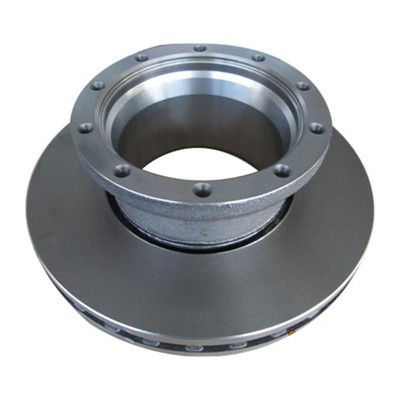
Hey there, car enthusiasts! As a car brake shoes supplier, I get asked a ton of questions about brake maintenance. One question that pops up quite often is, "What kind of lubricant should I use for car brake shoes?" Well, you're in the right place because I'm gonna break it down for you.
First off, let's talk about why lubrication is important for your brake shoes. Brake shoes work hard every time you hit the brakes. They rub against the brake drums to slow down or stop your car. Over time, this friction can cause wear and tear, leading to reduced braking performance and even potential safety issues. Using the right lubricant can help reduce this friction, extend the life of your brake shoes, and keep your brakes working smoothly.
Now, not all lubricants are created equal when it comes to brake shoes. You can't just grab any old grease or oil from your garage and slather it on. There are specific types of lubricants designed for brake systems, and using the wrong one can actually do more harm than good.
One of the most common types of lubricants for brake shoes is high - temperature brake grease. This stuff is formulated to withstand the extreme heat generated by the braking process. When you step on the brakes, a lot of energy is converted into heat, and regular grease would melt or break down under these conditions. High - temperature brake grease has a high melting point, usually around 500°F (260°C) or more, which means it can stay in place and provide lubrication even when things get hot.
Another option is silicone - based lubricant. Silicone lubricants are great because they're non - conductive and resistant to water and moisture. This is important because brake systems are often exposed to the elements, and water can cause corrosion and other problems. A silicone - based lubricant can create a protective barrier that helps keep water out and prevents rust from forming on your brake shoes and other components.
Graphite lubricant is also a popular choice. Graphite is a dry lubricant, which means it doesn't leave behind a sticky residue like some greases. It works well in reducing friction between the brake shoes and the brake drums, and it's especially useful in applications where you want to avoid attracting dirt and debris.
So, how do you know which lubricant is right for your car? Well, it depends on a few factors. First, check your car's owner's manual. The manufacturer usually provides recommendations on the type of lubricant to use for your specific make and model. If you don't have the manual handy, you can also do some research online or ask a professional mechanic.
Another thing to consider is the type of driving you do. If you do a lot of stop - and - go driving in the city, your brakes are going to heat up more frequently, so a high - temperature brake grease might be a good choice. On the other hand, if you live in an area with a lot of rain or snow, a silicone - based lubricant could be better to protect against moisture.

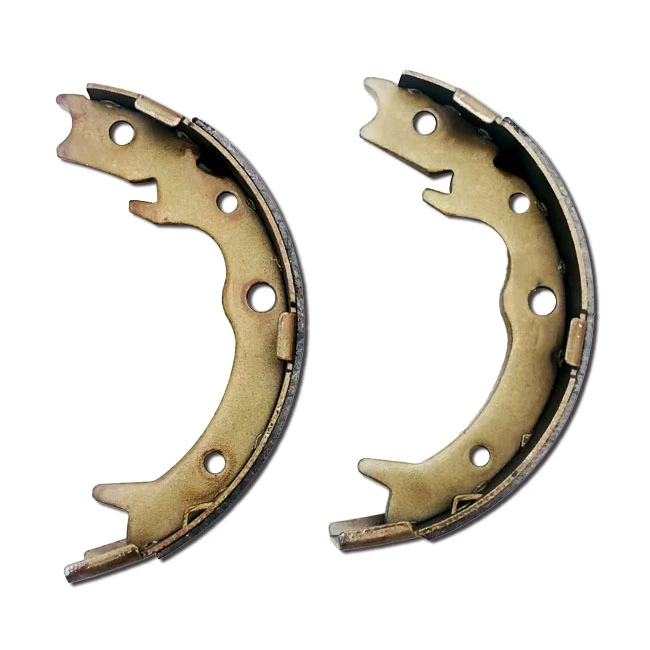
When it comes to applying the lubricant, it's important to do it correctly. You don't want to over - lubricate, as this can cause the lubricant to get on the friction surfaces of the brake shoes and drums, which can reduce braking performance. Only apply the lubricant to the areas where it's needed, such as the contact points between the brake shoes and the backing plate, or the pivot points.
Now, as a car brake shoes supplier, I want to mention that we offer a wide range of high - quality brake shoes, including Rear Brake Shoes, Handbrake Pad, and BMW Rear Brake Shoes. Our products are designed to work well with the right lubricants, and we can provide you with more information on the best lubrication practices for our brake shoes.
If you're in the market for new brake shoes or have any questions about lubrication, don't hesitate to reach out. Whether you're a professional mechanic or a DIY car enthusiast, we're here to help you keep your brakes in top shape. Contact us, and let's start a conversation about your brake needs.
In conclusion, choosing the right lubricant for your car brake shoes is crucial for maintaining optimal braking performance and extending the life of your brakes. High - temperature brake grease, silicone - based lubricants, and graphite lubricants are all good options, but make sure to consider your car's specific requirements and your driving conditions. And remember, if you need high - quality brake shoes, we've got you covered.
References:
- "Automotive Brake Systems" by an industry expert in automotive engineering
- Various car manufacturer's owner's manuals