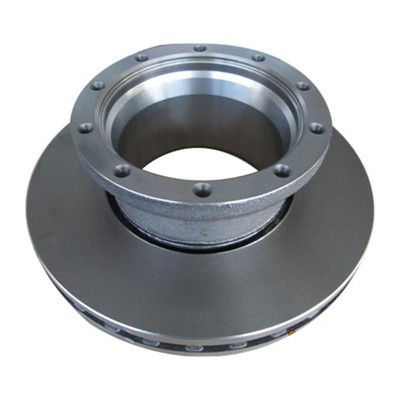
As a trusted Ford Brake Discs supplier, I'm often asked about the materials used in Ford brake discs. In this blog post, I'll delve into the various materials that go into making these essential automotive components, exploring their properties, advantages, and how they contribute to the overall performance of Ford vehicles.
Cast Iron
Cast iron is one of the most common materials used in Ford brake discs. It has been a staple in the automotive industry for decades due to its excellent heat dissipation properties, durability, and cost - effectiveness.
The high thermal conductivity of cast iron allows it to quickly absorb and dissipate the heat generated during braking. When you press the brake pedal, the friction between the brake pads and the brake disc converts the kinetic energy of the moving vehicle into heat. Cast iron can handle this heat without significant deformation, which is crucial for maintaining consistent braking performance.
In terms of durability, cast iron is tough and resistant to wear. It can withstand the repeated friction and pressure exerted during normal driving conditions. Ford uses different grades of cast iron in its brake discs, depending on the specific model and its intended use. For example, heavier vehicles or those designed for more demanding driving, such as trucks or high - performance cars, may use a higher - grade cast iron with enhanced strength and heat - resistance.
However, cast iron also has some drawbacks. It is relatively heavy, which can add to the overall weight of the vehicle and negatively impact fuel efficiency. Additionally, in wet conditions, cast iron brake discs are prone to rusting, which can affect their appearance and, in severe cases, their performance.
Carbon - Ceramic
Carbon - ceramic brake discs are a more advanced and high - performance option that is increasingly being used in some Ford models, especially those in the high - end or performance - oriented lineup.
Carbon - ceramic materials are made by combining carbon fibers with a ceramic matrix. This combination results in a material that offers several significant advantages over cast iron. Firstly, carbon - ceramic brake discs are extremely lightweight. They can be up to 50% lighter than their cast - iron counterparts, which helps to reduce the unsprung weight of the vehicle. A lower unsprung weight improves handling, acceleration, and fuel efficiency.
Secondly, carbon - ceramic brake discs have excellent heat resistance. They can withstand much higher temperatures than cast iron without fading or losing their braking performance. This makes them ideal for high - performance driving, where the brakes are subjected to intense heat and stress. For example, in track - day driving or high - speed braking situations, carbon - ceramic brake discs can provide consistent and reliable stopping power.
Another advantage is their resistance to wear. Carbon - ceramic brake discs have a much longer lifespan compared to cast iron discs, which means less frequent replacement and lower long - term maintenance costs. However, the main drawback of carbon - ceramic brake discs is their high cost. They are significantly more expensive to produce than cast iron discs, which is reflected in the price of the vehicles that are equipped with them.
Semi - Metallic
Semi - metallic brake discs are a hybrid option that combines metal fibers (such as steel, copper, or brass) with other materials like ceramics, graphite, and resins.
The metal fibers in semi - metallic brake discs provide good heat conductivity and strength. They can effectively transfer heat away from the braking surface, reducing the risk of brake fade. The addition of other materials helps to improve the friction characteristics of the disc, providing a good balance between stopping power and smooth operation.
Semi - metallic brake discs are often used in Ford vehicles that require a combination of performance and durability. They are suitable for a wide range of driving conditions, from daily commuting to more spirited driving. Compared to cast iron, semi - metallic discs are generally lighter and offer better heat dissipation. However, they can be noisier than other types of brake discs and may cause more wear on the brake pads.
Comparing with Other Brands
When comparing Ford brake discs with those of other brands, it's interesting to look at the options available in the market. For example, AUDI Brake Disc also uses a combination of cast iron and advanced materials like carbon - ceramic in its high - end models. Audi, like Ford, offers a range of brake disc options to suit different vehicle types and customer needs.
Chevy Brake Discs are also known for their durability and performance. Chevrolet uses similar materials in its brake discs, with cast iron being the most common choice for mainstream models, while high - performance vehicles may feature more advanced materials.
Toyota Floating Carbon BrakeDiscs are a unique offering from Toyota. The floating design of these carbon - ceramic discs provides additional benefits in terms of heat management and performance. Ford could potentially learn from such innovative designs to further improve its own brake disc technology.


Conclusion
In conclusion, Ford brake discs are made from a variety of materials, each with its own set of advantages and disadvantages. Cast iron remains a popular choice due to its cost - effectiveness and durability, while carbon - ceramic and semi - metallic options offer enhanced performance and other benefits for more demanding applications.
As a Ford Brake Discs supplier, I understand the importance of providing high - quality brake discs that meet the diverse needs of Ford vehicle owners. Whether you're looking for a reliable and affordable cast - iron brake disc for your daily driver or a high - performance carbon - ceramic option for your sports car, we have the expertise and products to meet your requirements.
If you're interested in purchasing Ford brake discs or would like to discuss your specific needs, please don't hesitate to contact us for a procurement negotiation. We are committed to providing you with the best products and services to ensure your vehicle's braking system performs at its best.
References
- Automotive Brake Systems: Principles and Diagnosis, by James D. Halderman
- The Science of Automotive Materials, by John M. Schey
- Industry reports on automotive brake disc materials and technology trends