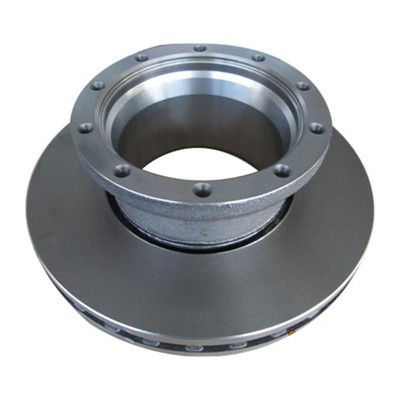
As a supplier of Chevy brake discs, I understand the importance of having in - depth knowledge about these crucial automotive components. When you visit a mechanic to discuss your Chevy brake discs, asking the right questions can help you make informed decisions about maintenance, replacement, and overall performance. Here are some key questions you should consider asking:


1. Condition Assessment
- How do my current Chevy brake discs look?
This is the most basic yet essential question. The mechanic can visually inspect the brake discs for signs of wear, such as grooves, cracks, or uneven surfaces. They can also measure the thickness of the discs. If the discs are worn beyond the manufacturer's recommended minimum thickness, they need to be replaced. For example, if the Chevy model has a specified minimum disc thickness of 22mm and your discs are down to 20mm, it's a clear indication that replacement is imminent. - Are there any visible cracks or damage?
Cracks in brake discs are a serious safety concern. Even small cracks can propagate under the stress of braking, leading to disc failure. A mechanic can use specialized tools to detect hair - line cracks that may not be visible to the naked eye. If cracks are found, immediate replacement is usually necessary.
2. Performance - Related Questions
- How are my brake discs affecting my braking performance?
The brake discs play a vital role in the overall braking system. Worn or damaged discs can lead to longer stopping distances, vibrations when braking, or a spongy brake pedal feel. The mechanic can explain how the current condition of your brake discs is influencing your vehicle's ability to stop safely. For instance, if the discs are warped, it can cause the brake pads to make uneven contact, resulting in a pulsating feeling when you apply the brakes. - Do I need to upgrade my brake discs for better performance?
If you are an aggressive driver or use your Chevy for towing or high - performance driving, you may benefit from upgrading your brake discs. The mechanic can recommend options such as slotted or drilled brake discs. Slotted discs help to clear away debris and gases from the braking surface, improving friction and reducing fade. Drilled discs, on the other hand, offer better heat dissipation, which is crucial for preventing brake fade during intense braking. You can also refer to other high - performance brake disc options like Mercedes Brake Disc and Toyota Floating Carbon BrakeDiscs for inspiration on advanced braking technologies.
3. Compatibility and Replacement
- What type of brake discs are compatible with my Chevy model?
Chevy vehicles come in a wide range of models, each with specific requirements for brake discs. The mechanic can confirm the correct size, thickness, and design of the brake discs that are suitable for your particular Chevy. Using the wrong type of brake discs can lead to poor braking performance and even damage to the braking system. - Should I replace both brake discs at the same time?
It is generally recommended to replace both brake discs on an axle simultaneously. This ensures balanced braking performance. If you only replace one disc, the new disc may wear at a different rate than the old one, leading to uneven braking and potential safety issues.
4. Maintenance and Longevity
- How can I extend the lifespan of my Chevy brake discs?
Proper maintenance can significantly extend the life of your brake discs. The mechanic can provide tips such as avoiding hard braking whenever possible, keeping the brake system clean, and having regular brake inspections. For example, excessive hard braking generates a lot of heat, which can cause the discs to warp or wear out more quickly. - What is the average lifespan of Chevy brake discs?
The lifespan of brake discs can vary depending on driving habits, vehicle usage, and environmental conditions. On average, Chevy brake discs can last between 30,000 to 70,000 miles. However, aggressive driving or frequent stop - and - go traffic can reduce this lifespan.
5. Cost and Quality
- How much will it cost to replace my Chevy brake discs?
The cost of replacing brake discs can vary depending on the type of discs (OEM, aftermarket), the make and model of your Chevy, and labor costs. The mechanic can provide an estimate for the parts and labor involved in the replacement. It's important to note that while aftermarket brake discs may be more affordable, they may not always offer the same level of quality as OEM (Original Equipment Manufacturer) discs. - What is the difference in quality between OEM and aftermarket brake discs?
OEM brake discs are designed and manufactured by the same company that produced your Chevy vehicle. They are engineered to meet the exact specifications of your vehicle's braking system, ensuring optimal performance and compatibility. Aftermarket brake discs, on the other hand, are produced by third - party manufacturers. While there are many high - quality aftermarket options available, some may not offer the same level of precision and durability as OEM discs. The mechanic can help you weigh the pros and cons of each option based on your needs and budget.
6. Installation and Warranty
- How long will the brake disc replacement take?
The time required for brake disc replacement can vary depending on the complexity of the job and the mechanic's experience. In general, it can take anywhere from 1 to 3 hours to replace the brake discs on both front or rear axles. The mechanic can give you a more accurate estimate based on your specific vehicle. - Do the replacement brake discs come with a warranty?
A warranty is an important consideration when purchasing replacement brake discs. OEM brake discs usually come with a warranty from the manufacturer. Aftermarket brake discs may also offer warranties, but the terms and coverage can vary. The mechanic can provide details about the warranty for the brake discs they recommend.
As a Chevy brake disc supplier, I am committed to providing high - quality products that meet the needs of Chevy owners. If you have any further questions about Chevy brake discs or are interested in purchasing our products for your vehicle, please feel free to reach out for a procurement discussion. We are here to assist you in ensuring the safety and performance of your Chevy's braking system.
References
- Automotive Brake Systems: Principles and Diagnosis by James D. Halderman
- Chilton's Chevrolet Repair Manuals for various models