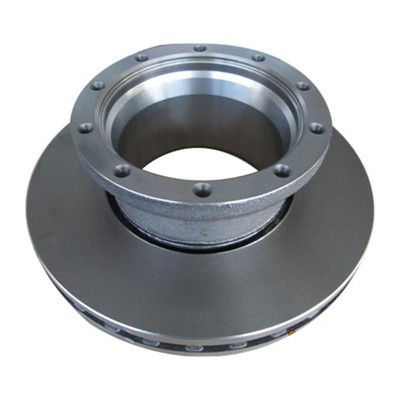
As a seasoned supplier of car brake discs, I've witnessed firsthand how crucial these components are for vehicle safety. Brake discs play a pivotal role in the braking system, and understanding their related safety features is essential for both drivers and automotive enthusiasts. In this blog, I'll delve into the various safety features associated with car brake discs, highlighting their importance and how they contribute to a secure driving experience.
Heat Dissipation
One of the most critical safety features of car brake discs is their ability to dissipate heat effectively. When you press the brake pedal, the friction between the brake pads and the brake discs generates a significant amount of heat. If this heat isn't dissipated properly, it can lead to brake fade, a condition where the brakes lose their effectiveness. This can be extremely dangerous, especially in high - speed or emergency braking situations.
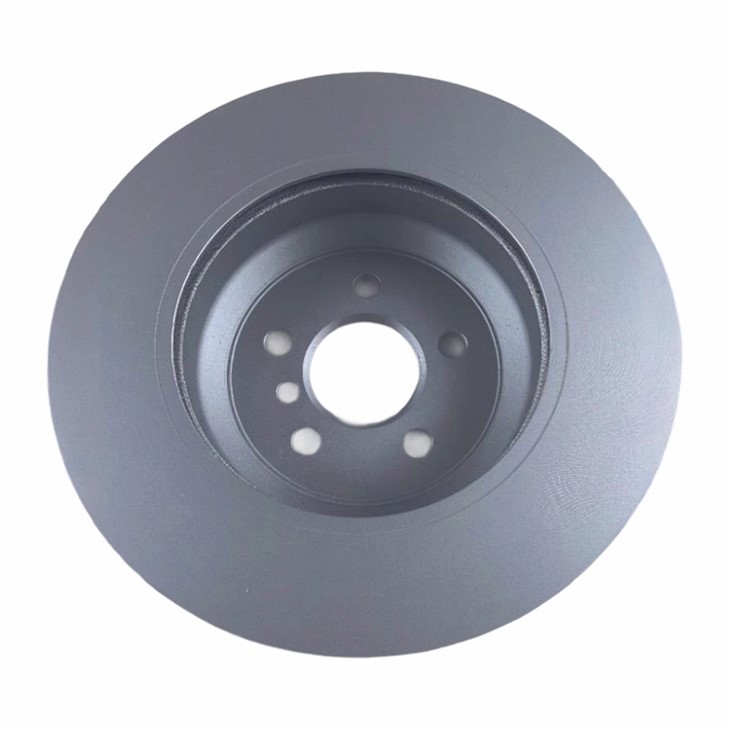

To enhance heat dissipation, many modern brake discs are designed with ventilation holes or slots. Ventilated brake discs have a set of curved vanes between the two friction surfaces. These vanes create a path for air to flow through the disc, carrying away heat and reducing its temperature. For example, Mercedes Brake Disc often feature advanced ventilation designs to ensure optimal heat management. This helps maintain consistent braking performance, even under heavy use.
Anti - Corrosion Properties
Brake discs are constantly exposed to various environmental elements such as water, salt, and dirt. Over time, these elements can cause corrosion, which weakens the structure of the brake disc and reduces its performance. Corroded brake discs may develop uneven surfaces, leading to vibrations and reduced braking efficiency.
To combat corrosion, brake discs are often coated with anti - corrosion materials. These coatings act as a barrier, preventing moisture and other corrosive substances from reaching the metal surface of the disc. Some coatings are also designed to be self - healing to a certain extent, protecting the disc even if the surface is scratched. As a supplier, we offer a wide range of brake discs with high - quality anti - corrosion coatings, like Ford Brake Discs, which are built to withstand harsh environmental conditions.
Duraiblity and Wear Resistance
The durability and wear resistance of brake discs are directly related to safety. A worn - out brake disc can compromise the braking system's integrity, increasing the stopping distance and the risk of accidents. High - quality brake discs are made from materials that are specifically chosen for their durability and ability to resist wear.
Cast iron is a common material used in brake disc manufacturing due to its high strength and good heat - absorbing properties. However, to improve wear resistance, some manufacturers also add alloying elements such as chromium, nickel, or molybdenum. These alloys enhance the hardness and toughness of the brake disc, making it last longer. Volvo Brake Discs are known for their excellent durability, thanks to the use of advanced alloy materials in their production.
Surface Finish and Flatness
The surface finish and flatness of brake discs are crucial for smooth and consistent braking. A rough or uneven surface can cause uneven wear on the brake pads, resulting in reduced braking performance and vibrations during braking. Additionally, if the brake disc is not flat, it can lead to pulsation in the brake pedal, which can be disconcerting for the driver.
Modern manufacturing processes ensure that brake discs have a precise surface finish and flatness. Computer - controlled machining and grinding operations are used to achieve the required tolerances. This ensures that the brake pads make full and even contact with the brake disc, providing maximum braking force and a smooth, comfortable driving experience.
Noise Reduction
Excessive noise during braking not only affects the driving comfort but can also be an indication of a problem with the brake system. Noise can be caused by factors such as uneven wear, loose components, or improper installation. To address this issue, many brake discs are designed with noise - reducing features.
Some brake discs incorporate slots or holes on their surfaces. These features help to reduce noise by allowing air and debris to escape, preventing the build - up of pressure between the brake pads and the disc. Additionally, some brake discs are equipped with shims or dampers that absorb vibrations and reduce noise levels. As a supplier, we understand the importance of noise reduction and offer brake discs that are engineered to provide a quiet braking experience.
Quality Assurance and Compliance
At our company, we adhere to strict quality assurance standards to ensure that all our brake discs meet or exceed industry requirements. We conduct rigorous testing on our products, including tests for heat dissipation, wear resistance, and braking performance. Our brake discs are also compliant with international safety standards, such as ISO and SAE.
By choosing our brake discs, customers can be confident that they are getting a product that is safe, reliable, and of the highest quality. Whether you are a car manufacturer, a repair shop, or an individual vehicle owner, our goal is to provide you with the best brake disc solutions.
Call to Action
If you are in the market for high - quality car brake discs, we invite you to get in touch with us. Our team of experts is ready to assist you in finding the right brake discs for your specific needs. We offer a wide range of brake discs for different makes and models of vehicles, including Mercedes Brake Disc, Ford Brake Discs, and Volvo Brake Discs. Contact us today to start a procurement discussion and ensure the safety and performance of your vehicles.
References
- Bosch Automotive Handbook. Robert Bosch GmbH, various editions.
- SAE International standards on brake systems.
- OEM (Original Equipment Manufacturer) technical documentation for different vehicle models.