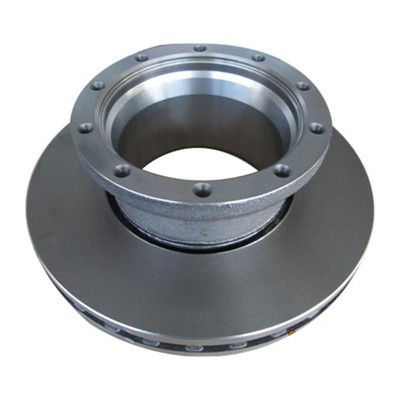
As a seasoned car brake disc supplier, I've witnessed firsthand the evolution of brake technology and the diverse needs of car enthusiasts and everyday drivers alike. In this blog, I'll delve into the various upgrades available for car brake discs, exploring the benefits, types, and considerations for each option.
Understanding the Basics of Brake Discs
Before we dive into the upgrades, let's briefly review the role of brake discs in a vehicle's braking system. Brake discs, also known as rotors, are essential components that work in conjunction with brake pads to slow down or stop a vehicle. When the brake pedal is pressed, the brake calipers squeeze the brake pads against the rotating brake discs, creating friction that converts the kinetic energy of the moving vehicle into heat energy, ultimately bringing the vehicle to a halt.
Types of Brake Disc Upgrades
1. Cross-Drilled Brake Discs
Cross-drilled brake discs are a popular upgrade choice among performance enthusiasts. These discs feature a series of holes drilled through the surface, which serve several important functions. Firstly, the holes help to dissipate heat more effectively, reducing the risk of brake fade during intense driving conditions. Brake fade occurs when the brakes become less effective due to excessive heat buildup, leading to longer stopping distances and decreased performance. By allowing heat to escape more quickly, cross-drilled brake discs can maintain consistent braking performance even under heavy use.
Secondly, the holes in cross-drilled brake discs help to remove water, debris, and gas from the braking surface. This improves the contact between the brake pads and the discs, enhancing braking efficiency and reducing the risk of brake squeal. Additionally, the holes can also provide a visual indication of the disc's wear, as they will gradually become smaller as the disc wears down.
However, it's important to note that cross-drilled brake discs may not be suitable for all applications. The holes can weaken the structural integrity of the disc, making them more prone to cracking under extreme stress. Therefore, they are typically recommended for high-performance vehicles or drivers who engage in spirited driving on a regular basis.
2. Slotted Brake Discs
Slotted brake discs are another popular upgrade option. Similar to cross-drilled brake discs, slotted discs feature grooves or slots machined into the surface of the disc. These slots serve a similar purpose to the holes in cross-drilled discs, helping to dissipate heat, remove debris, and improve braking performance.
One of the main advantages of slotted brake discs is their durability. Unlike cross-drilled discs, which can be prone to cracking, slotted discs are less likely to suffer from structural damage. This makes them a more suitable option for everyday driving and vehicles that are subjected to heavy loads or frequent stop-and-go traffic.
In addition to their durability, slotted brake discs also offer improved bite and modulation compared to standard brake discs. The slots help to clean the brake pads, removing any glazing or buildup that can occur over time. This results in better initial braking performance and more precise control over the braking force.
3. Drilled and Slotted Brake Discs
For the ultimate in braking performance, many drivers opt for drilled and slotted brake discs. These discs combine the benefits of both cross-drilled and slotted discs, offering superior heat dissipation, debris removal, and braking performance.
Drilled and slotted brake discs are typically made from high-quality materials, such as cast iron or carbon ceramic, to ensure maximum strength and durability. They are also designed with precision machining to ensure a perfect fit and optimal performance.
However, it's important to note that drilled and slotted brake discs can be more expensive than standard or single-upgrade brake discs. Additionally, they may require more frequent maintenance and replacement due to the increased wear on the brake pads and discs.
4. High-Carbon Brake Discs
High-carbon brake discs are a relatively new innovation in brake technology. These discs are made from a special type of cast iron that contains a higher percentage of carbon than traditional brake discs. The increased carbon content gives the discs several advantages, including improved heat resistance, reduced weight, and enhanced braking performance.
One of the main benefits of high-carbon brake discs is their ability to withstand higher temperatures without warping or cracking. This makes them ideal for high-performance vehicles or drivers who engage in aggressive driving on a regular basis. Additionally, the reduced weight of high-carbon brake discs can improve the vehicle's handling and acceleration, as well as reduce fuel consumption.
High-carbon brake discs also offer better braking performance compared to standard brake discs. The increased carbon content provides a more consistent friction coefficient, resulting in shorter stopping distances and improved control over the braking force.
5. Carbon Ceramic Brake Discs
Carbon ceramic brake discs are the ultimate in high-performance braking technology. These discs are made from a composite material consisting of carbon fibers and ceramic particles, which gives them several significant advantages over traditional brake discs.


One of the main benefits of carbon ceramic brake discs is their exceptional heat resistance. They can withstand temperatures of up to 1,800 degrees Fahrenheit without warping or cracking, making them ideal for high-performance vehicles and racing applications. Additionally, carbon ceramic brake discs are much lighter than traditional brake discs, which can improve the vehicle's handling, acceleration, and fuel efficiency.
Another advantage of carbon ceramic brake discs is their long lifespan. They are highly resistant to wear and corrosion, which means they can last up to 10 times longer than traditional brake discs. This can result in significant cost savings over the life of the vehicle.
However, it's important to note that carbon ceramic brake discs are also the most expensive option. They require specialized manufacturing processes and materials, which can drive up the cost. Additionally, carbon ceramic brake discs may not be suitable for all vehicles or driving conditions. They are typically recommended for high-performance sports cars and luxury vehicles that require the ultimate in braking performance.
Considerations When Choosing Brake Disc Upgrades
When choosing brake disc upgrades, there are several factors to consider. These include:
1. Vehicle Type and Usage
The type of vehicle you drive and how you use it will play a significant role in determining the most suitable brake disc upgrade. For example, if you drive a high-performance sports car or engage in track days on a regular basis, you may want to consider upgrading to cross-drilled, slotted, or carbon ceramic brake discs. On the other hand, if you drive a daily commuter vehicle or a family car, a more standard upgrade, such as high-carbon brake discs, may be sufficient.
2. Budget
Brake disc upgrades can vary significantly in price, depending on the type of upgrade and the brand. It's important to set a budget before you start shopping and to choose an upgrade that offers the best balance of performance and value for your money.
3. Compatibility
Not all brake disc upgrades are compatible with all vehicles. Before you make a purchase, it's important to ensure that the brake discs you choose are specifically designed for your vehicle's make, model, and year. This will ensure a proper fit and optimal performance.
4. Maintenance
Some brake disc upgrades may require more frequent maintenance than others. For example, cross-drilled and slotted brake discs may require more frequent cleaning and inspection to prevent debris from clogging the holes or slots. Additionally, carbon ceramic brake discs may require specialized maintenance procedures and tools. It's important to consider the maintenance requirements of the brake disc upgrade you choose and to factor these into your decision.
Where to Find Quality Brake Disc Upgrades
As a car brake disc supplier, I understand the importance of providing high-quality products that meet the needs of our customers. That's why we offer a wide range of brake disc upgrades for various makes and models of vehicles, including Volvo Brake Discs, AUDI Brake Disc, and Toyota Brake Disc.
Our brake discs are made from the highest quality materials and are designed to meet or exceed OEM specifications. We also offer a variety of finishes and styles to choose from, so you can find the perfect brake disc upgrade to suit your vehicle's appearance and performance needs.
If you're interested in upgrading your car's brake discs, I encourage you to contact us to discuss your options. Our team of experts can help you choose the right brake disc upgrade for your vehicle and provide you with all the information you need to make an informed decision.
Conclusion
Upgrading your car's brake discs can significantly improve its braking performance, safety, and overall driving experience. Whether you're a performance enthusiast looking for the ultimate in high-performance braking or an everyday driver looking for a more reliable and efficient braking system, there are a variety of brake disc upgrades available to suit your needs and budget.
By understanding the different types of brake disc upgrades and the factors to consider when choosing them, you can make an informed decision and choose the right upgrade for your vehicle. And if you're looking for high-quality brake disc upgrades, look no further than our company. We're committed to providing our customers with the best products and service possible, and we're confident that we can help you find the perfect brake disc upgrade for your vehicle.
If you have any questions or would like to learn more about our brake disc upgrades, please don't hesitate to contact us. We look forward to hearing from you and helping you upgrade your car's braking system.
References
- "Brake Disc Upgrades: What You Need to Know." Car and Driver, https://www.caranddriver.com/research/a20801374/brake-disc-upgrades/.
- "The Ultimate Guide to Brake Disc Upgrades." AutoGuide, https://www.autoguide.com/auto-news/2018/01/the-ultimate-guide-to-brake-disc-upgrades.html.
- "How to Choose the Right Brake Rotors for Your Car." Popular Mechanics, https://www.popularmechanics.com/cars/how-to/a26476/how-to-choose-brake-rotors/.