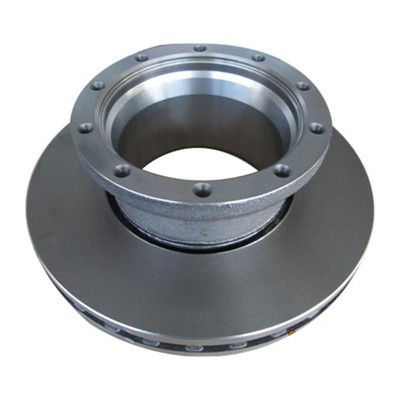
When it comes to the question of whether one can use car brake pads designed for a larger vehicle on a smaller one, it's a topic that demands a comprehensive analysis. As a seasoned supplier of car brake pads, I've encountered numerous inquiries about brake pad compatibility, and this particular question is quite common among vehicle owners and mechanics alike.
Understanding the Basics of Brake Pads
Before delving into the compatibility issue, it's essential to understand the fundamental role of brake pads. Brake pads are a crucial component of a vehicle's braking system. When you press the brake pedal, the brake pads are forced against the brake rotors, creating friction. This friction is what slows down and eventually stops the vehicle. The effectiveness of this process depends on several factors, including the size, material, and design of the brake pads.
Differences Between Brake Pads for Larger and Smaller Vehicles
Larger vehicles, such as trucks and SUVs, have different braking requirements compared to smaller cars. They are heavier, which means they carry more momentum when in motion. To safely stop a larger vehicle, the brake pads need to generate a higher amount of friction. This often results in larger brake pads with a greater surface area to come into contact with the rotors. Additionally, the materials used in brake pads for larger vehicles are typically designed to withstand higher temperatures and more wear and tear due to the increased stress placed on them.
On the other hand, smaller vehicles have less mass and therefore less momentum. Their brake pads can be smaller in size as they don't need to generate as much friction to stop the vehicle. The materials used in these brake pads are optimized for the specific needs of smaller cars, such as providing smooth braking performance and reducing noise.
Potential Problems of Using Larger Vehicle Brake Pads on a Smaller One
- Fitment Issues: One of the most obvious problems is the physical fit. Brake pads are designed to fit specific brake calipers and rotors. Brake pads for larger vehicles are usually too big to fit properly on the brake calipers of a smaller car. This can lead to improper installation, which may cause the brake pads to not make full contact with the rotors. As a result, the braking performance will be severely compromised, and it can even pose a safety risk.
- Braking Performance: Using brake pads designed for larger vehicles on a smaller one can lead to over - braking. Since these brake pads are designed to generate a high amount of friction for heavy vehicles, they may cause the wheels of a smaller car to lock up more easily. This can result in skidding, especially in wet or slippery conditions, and make it difficult to control the vehicle. Moreover, the braking feel may be too harsh, which can be uncomfortable for the driver.
- Wear and Tear: The braking system of a smaller vehicle is not designed to handle the stress that larger vehicle brake pads can impose. The increased friction and heat generated by these pads can cause excessive wear on the brake rotors, calipers, and other components of the braking system. This can lead to premature failure of these parts, increasing maintenance costs and reducing the overall lifespan of the braking system.
Exceptions and Special Cases
In some rare cases, there may be brake pads that are designed to be more versatile and can be used on a range of vehicle sizes. However, these are usually high - end, universal - fit brake pads that have been specifically engineered to adapt to different braking systems. But even in these cases, it's crucial to consult with a professional mechanic or refer to the manufacturer's guidelines to ensure proper installation and performance.
Our Range of Brake Pads
As a brake pad supplier, we offer a wide variety of brake pads to meet the needs of different vehicles. For instance, we have ALPINA Brake Pads, which are designed specifically for ALPINA vehicles, providing excellent braking performance and durability. Our CITROEN Brake Pads are tailored to the unique requirements of CITROEN cars, ensuring smooth and reliable braking. And for DODGE vehicles, our DODGE Brake Pads are engineered to handle the power and performance of these vehicles.


Conclusion
In conclusion, it's generally not advisable to use car brake pads designed for a larger vehicle on a smaller one. The differences in size, performance requirements, and wear characteristics between brake pads for larger and smaller vehicles can lead to significant problems, including safety risks and increased maintenance costs. It's always best to use brake pads that are specifically designed for your vehicle.
If you're in the market for high - quality brake pads, we're here to help. Our team of experts can assist you in finding the perfect brake pads for your vehicle. Whether you're a car owner looking for a replacement or a mechanic in need of reliable brake pads for your customers, we have the products and knowledge to meet your needs. Contact us today to start the procurement negotiation process and ensure your vehicle has the best braking performance possible.
References
- Bosch Automotive Handbook. 8th Edition.
- Chilton's Automotive Repair Manuals.