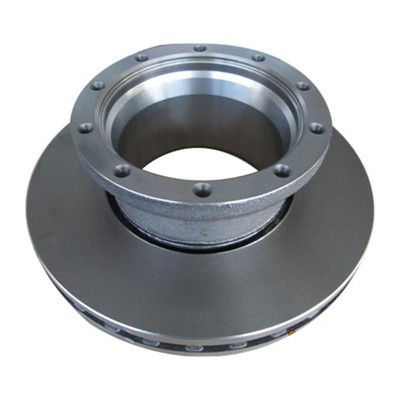
Hey there, fellow car enthusiasts! As a proud supplier of AUDI Brake Discs, I often get quizzed about all sorts of stuff related to these vital car parts. One question that pops up quite frequently is, "Do AUDI Brake Discs require any special lubricants?" Let's dig deep into this topic and find out the real deal.
First off, let's understand the basic function of brake discs. In your Audi, the brake discs are a key part of the braking system. When you hit the brake pedal, the brake pads clamp down on the brake discs. This friction between the pads and the discs is what slows down or stops your car. It's a pretty straightforward process, but it involves a lot of heat and intense pressure.
Now, the role of lubricants in a braking system might seem a bit confusing. You're probably thinking, "Isn't friction good for brakes? Why would we need lubrication?" Well, that's a valid point. In most cases, the braking action relies on friction, so we don't want to reduce it. But there are some specific areas where a little lubrication can be beneficial.
For example, the caliper pins and slides on your Audi's braking system need to move freely. If they get stuck or corroded, it can lead to uneven braking, premature wear of the brake pads and discs, and even affect your car's overall safety. That's where a high - quality, high - temperature lubricant comes in handy. A good lubricant can prevent corrosion and ensure that the caliper components move smoothly.
However, when it comes to the actual braking surface of the brake disc, you definitely don't want to use any lubricant. Applying lubricant to the braking surface will reduce the friction between the brake pads and the discs. This means your brakes won't work as effectively, and you'll have a longer stopping distance. It's a huge safety risk, so always keep the braking surface clean and free of any oily or greasy substances.
When choosing a lubricant for the non - braking parts of the AUDI braking system, make sure to pick one that's specifically designed for automotive brake systems. These lubricants can withstand the high temperatures generated during braking. Some common types of brake lubricants include silicone - based lubricants, copper - based lubricants, and synthetic lubricants. Each has its own advantages. Silicone - based lubricants are great for preventing corrosion and offer good temperature resistance. Copper - based lubricants provide excellent anti - seizure properties and can handle high pressures.
As an Audi Brake Disc supplier, I've seen different braking issues caused by improper lubrication or lack of it. Some car owners might try to use regular grease from the hardware store, which is a big no - no. These greases usually can't handle the high temperatures in the braking system and can break down quickly.
Now, let's compare AUDI Brake Discs with some other popular car models. We have Toyota Floating Carbon BrakeDiscs, Mercedes - Benz Brake Disc, and Ford Brake Discs. Each of these cars has its unique braking system design, but the general principle of lubrication remains similar.


Toyota's floating carbon brake discs are known for their lightweight and high - performance capabilities. They also require proper lubrication of the non - braking components to ensure smooth operation. Mercedes - Benz brake discs, on the other hand, are often part of a high - tech braking system that demands precision. Using the right lubricant is crucial to maintain the system's efficiency. Ford brake discs are designed for a wide range of vehicles, from family cars to trucks. The lubrication requirements can vary depending on the specific model and usage.
It's important to note that servicing your AUDI's braking system should be done regularly. If you're not confident in doing it yourself, take your car to a professional mechanic. They can check for any signs of wear and tear, and also make sure that the lubrication is done correctly.
As a supplier, I can tell you that high - quality AUDI Brake Discs are built to last. But proper maintenance, including the right lubrication strategy, is essential to get the most out of them. If you're an auto repair shop, an OEM manufacturer, or just a car enthusiast looking to upgrade your Audi's braking system, we've got you covered. We offer top - notch AUDI Brake Discs that are designed to meet the highest standards of performance and safety.
Don't hesitate to reach out if you have any questions about our products or need advice on brake system maintenance. Whether you're in the market for a single set of brake discs or looking to place a bulk order, we're here to help. Let's work together to keep your Audi's braking system in tip - top shape!
References
- Automotive Brake System Manuals
- Industry Reports on Brake Disc Technology
- Technical Bulletins from Brake Component Manufacturers