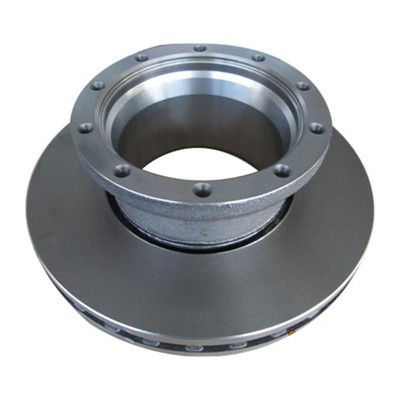
How to Know if My AUDI Brake Disc is Damaged?
As a trusted supplier of AUDI Brake Discs, I've witnessed firsthand the importance of maintaining the integrity of your vehicle's braking system. A damaged brake disc can compromise your safety on the road and lead to expensive repairs if not addressed promptly. In this blog post, I'll share some key signs that indicate your AUDI brake disc may be damaged and offer insights into why early detection is crucial.
Understanding the Basics of AUDI Brake Discs
Before we delve into the signs of damage, let's briefly understand the role of brake discs in your AUDI. Brake discs, also known as rotors, are an essential part of the braking system. When you press the brake pedal, brake pads clamp down on the brake discs, creating friction that slows down the wheels and brings your vehicle to a stop. Over time, however, these discs can experience wear and tear due to constant use, heat, and exposure to various elements.
Signs of a Damaged AUDI Brake Disc
- Vibration or Pulsation When Braking
One of the most common signs of a damaged brake disc is a noticeable vibration or pulsation in the brake pedal or steering wheel when you apply the brakes. This vibration can range from mild to severe and is often caused by uneven wear on the brake disc. When the surface of the disc becomes uneven, the brake pads make inconsistent contact, resulting in the vibration you feel. If you experience this, it's important to have your brake discs inspected as soon as possible. - Squealing or Grinding Noises
Unusual noises when braking are another tell - tale sign of a problem. A high - pitched squealing noise is often an indication that the brake pads are worn down and are starting to rub against the brake disc. This can cause damage to the disc over time. On the other hand, a grinding noise is a more serious issue. It usually means that the brake pads have completely worn out, and the metal backing of the pads is grinding directly against the brake disc, which can cause significant damage and should be addressed immediately. - Reduced Braking Performance
If you notice that your AUDI takes longer to stop than usual or requires more pressure on the brake pedal to achieve the same level of braking, it could be a sign of a damaged brake disc. This reduced braking performance can be due to several factors, including excessive wear, warping, or cracking of the disc. Any decrease in braking efficiency is a serious safety concern and warrants immediate inspection. - Visible Damage
In some cases, you may be able to visually inspect the brake discs for damage. Look for signs such as deep grooves, cracks, or scoring on the surface of the disc. These visible signs of damage are clear indicators that the brake disc needs to be replaced. Additionally, if you notice any rust or corrosion on the disc, it can also affect its performance and may require attention.
Why Early Detection is Crucial
Detecting brake disc damage early can save you both time and money in the long run. By addressing the issue as soon as you notice the signs, you can prevent further damage to the braking system. For example, if you ignore a squealing noise caused by worn - out brake pads, it can lead to more severe damage to the brake disc, eventually requiring a more expensive replacement. Moreover, a damaged brake disc can compromise your safety on the road. A vehicle with impaired braking performance is at a higher risk of accidents, so it's essential to keep your brake discs in good condition.
Our AUDI Brake Discs: Quality and Reliability
As a supplier of AUDI Brake Discs, we take pride in offering high - quality products that meet or exceed the original equipment manufacturer (OEM) standards. Our brake discs are made from premium materials and are designed to provide optimal performance and durability. Whether you have a new AUDI or an older model, we have the right brake disc for your vehicle.
In addition to our AUDI Brake Discs, we also offer a wide range of other brake discs, such as Mercedes - Benz Brake Disc, Modified Brake Disc, and Chevy Brake Discs. Our diverse product range allows us to cater to different customer needs and vehicle models.
How to Maintain Your AUDI Brake Discs
To extend the lifespan of your AUDI brake discs and prevent damage, it's important to follow some basic maintenance tips. First, have your brakes inspected regularly by a professional mechanic. They can check for signs of wear and tear and recommend any necessary repairs or replacements. Second, avoid aggressive driving habits, such as sudden braking and hard acceleration. These actions can put excessive stress on the brake discs and cause premature wear. Finally, keep your brake system clean and free from debris. Dirt and grime can accumulate on the brake discs and pads, which can affect their performance.

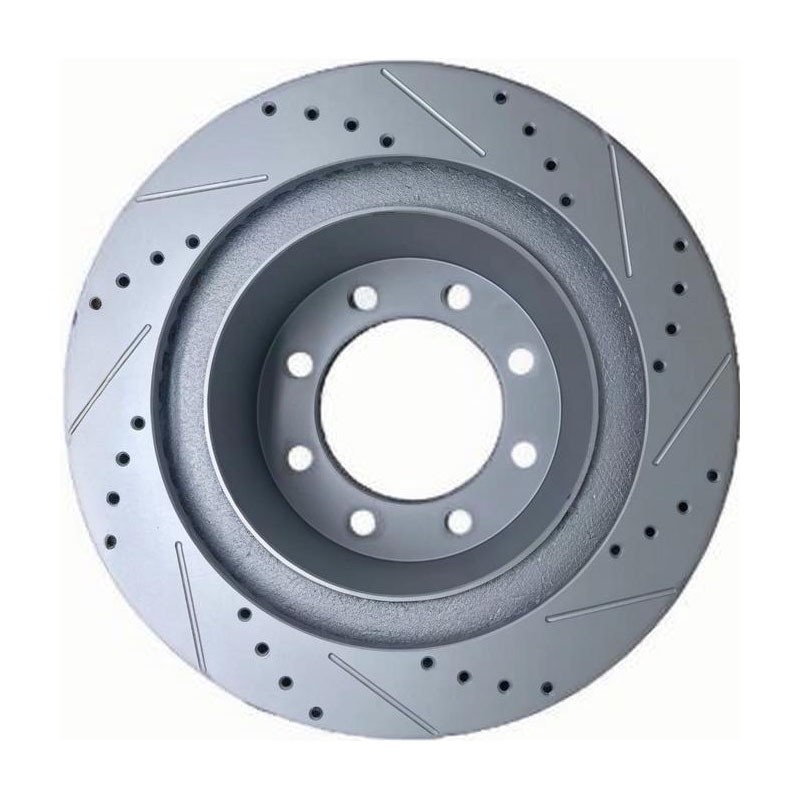
Contact Us for Your Brake Disc Needs
If you suspect that your AUDI brake disc is damaged or if you're looking for a high - quality replacement, we're here to help. Our team of experts is knowledgeable about all aspects of brake discs and can provide you with the best advice and solutions. We're committed to providing excellent customer service and ensuring that you get the right brake disc for your AUDI.
Whether you're a car enthusiast, a professional mechanic, or a vehicle owner, we welcome you to contact us for more information about our products and services. We're available to discuss your requirements and help you make an informed decision. Don't compromise on your safety and the performance of your vehicle. Invest in high - quality brake discs from us.
References
- Halder, J., & Das, S. (2018). Design and analysis of automotive brake disc. International Journal of Science and Research, 7(10), 1794 - 1797.
- Smith, R. (2019). The importance of brake system maintenance in modern vehicles. Automotive Technology Review, 22(3), 45 - 50.