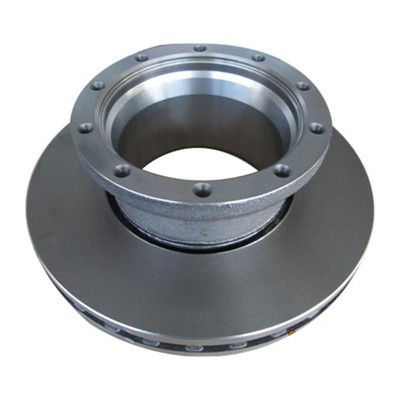
Recycling car brake discs is an important process that not only helps in conserving natural resources but also reduces the environmental impact associated with the disposal of these components. As a car brake disc supplier, I have witnessed firsthand the significance of recycling in the automotive industry. In this blog, I will delve into the recycling process for car brake discs, exploring the steps involved and the benefits it brings.
The Importance of Recycling Car Brake Discs
Car brake discs are a crucial part of a vehicle's braking system, responsible for slowing down and stopping the vehicle safely. Over time, these discs wear out due to friction and heat generated during the braking process. When brake discs reach the end of their service life, they need to be replaced. Instead of discarding them in landfills, recycling offers a more sustainable solution.
Recycling car brake discs helps in conserving raw materials. Brake discs are typically made of cast iron or steel, which are finite resources. By recycling these materials, we can reduce the need for mining and processing new metals, thereby conserving energy and reducing the environmental footprint associated with metal production.
Moreover, recycling brake discs reduces the amount of waste sent to landfills. Brake discs are heavy and take up a significant amount of space in landfills. By recycling them, we can free up landfill space and prevent the release of potentially harmful substances into the environment.
The Recycling Process for Car Brake Discs
The recycling process for car brake discs involves several steps, each designed to ensure the efficient and effective recovery of valuable materials. Here is a detailed overview of the process:
Collection and Sorting
The first step in the recycling process is the collection of used brake discs. These discs can be sourced from various places, including auto repair shops, car dealerships, and scrap yards. Once collected, the brake discs are sorted based on their material composition, size, and condition. This sorting process helps in separating different types of brake discs and ensures that they are processed appropriately.
Cleaning and Preparation
After sorting, the brake discs are cleaned to remove any dirt, grease, or other contaminants. This cleaning process is essential to ensure the quality of the recycled materials. The brake discs are typically submerged in a cleaning solution and then scrubbed or pressure-washed to remove any debris. Once cleaned, the brake discs are inspected for any signs of damage or wear. Any damaged or worn parts are removed, and the remaining parts are prepared for the next stage of the recycling process.
Shredding and Crushing
The next step in the recycling process is shredding and crushing the brake discs into smaller pieces. This process helps in increasing the surface area of the brake discs, making it easier to extract the valuable materials. The brake discs are typically fed into a shredder or crusher, which breaks them down into small fragments. These fragments are then sorted again to remove any non-metallic materials, such as rubber or plastic.
Melting and Refining
Once the brake discs have been shredded and crushed, they are melted down in a furnace. The melting process takes place at high temperatures, typically around 1,500 degrees Celsius. During this process, the metal in the brake discs is melted, and any impurities or contaminants are removed. The molten metal is then refined to improve its quality and purity. This refining process involves the addition of various chemicals and alloys to remove any remaining impurities and adjust the composition of the metal.
Casting and Forming
After the molten metal has been refined, it is cast into new shapes and forms. The casting process involves pouring the molten metal into molds of the desired shape and size. Once the metal has cooled and solidified, it is removed from the molds and ready for further processing. The new brake discs are then machined and finished to meet the required specifications and standards.


Benefits of Recycling Car Brake Discs
Recycling car brake discs offers several benefits, both for the environment and the automotive industry. Here are some of the key benefits:
Environmental Benefits
- Conservation of Natural Resources: Recycling car brake discs helps in conserving valuable natural resources, such as iron and steel. By reusing these materials, we can reduce the need for mining and processing new metals, thereby conserving energy and reducing the environmental impact associated with metal production.
- Reduction of Waste in Landfills: Brake discs are heavy and take up a significant amount of space in landfills. By recycling them, we can free up landfill space and prevent the release of potentially harmful substances into the environment.
- Energy Savings: Recycling car brake discs requires less energy than producing new brake discs from raw materials. This energy savings helps in reducing greenhouse gas emissions and mitigating the effects of climate change.
Economic Benefits
- Cost Savings: Recycling car brake discs can help in reducing the cost of producing new brake discs. By using recycled materials, manufacturers can save on raw material costs and energy costs, which can ultimately lead to lower prices for consumers.
- Job Creation: The recycling industry creates jobs in various sectors, including collection, sorting, processing, and manufacturing. By supporting the recycling of car brake discs, we can contribute to the growth of the recycling industry and create employment opportunities.
Conclusion
Recycling car brake discs is an important process that offers significant environmental and economic benefits. As a car brake disc supplier, I encourage all automotive enthusiasts and industry professionals to support the recycling of brake discs. By choosing to recycle, we can conserve natural resources, reduce waste in landfills, and contribute to a more sustainable future.
If you are interested in purchasing high-quality car brake discs, I invite you to explore our range of products. We offer a wide selection of brake discs for various makes and models of cars, including Ford Brake Discs, BMW Brake Disc, and Chevy Brake Discs. Our brake discs are made from high-quality materials and are designed to meet the highest standards of performance and reliability.
If you have any questions or would like to discuss your brake disc requirements, please feel free to contact us. We are always happy to help and look forward to working with you.
References
- "Recycling of Automotive Brake Discs." Journal of Materials Processing Technology, vol. 209, no. 14, 2009, pp. 5603-5611.
- "The Environmental Impact of Recycling Automotive Brake Discs." Environmental Science & Technology, vol. 45, no. 12, 2011, pp. 5212-5218.
- "Recycling and Reuse of Automotive Brake Discs: A Review." Waste Management, vol. 33, no. 10, 2013, pp. 2042-2050.