

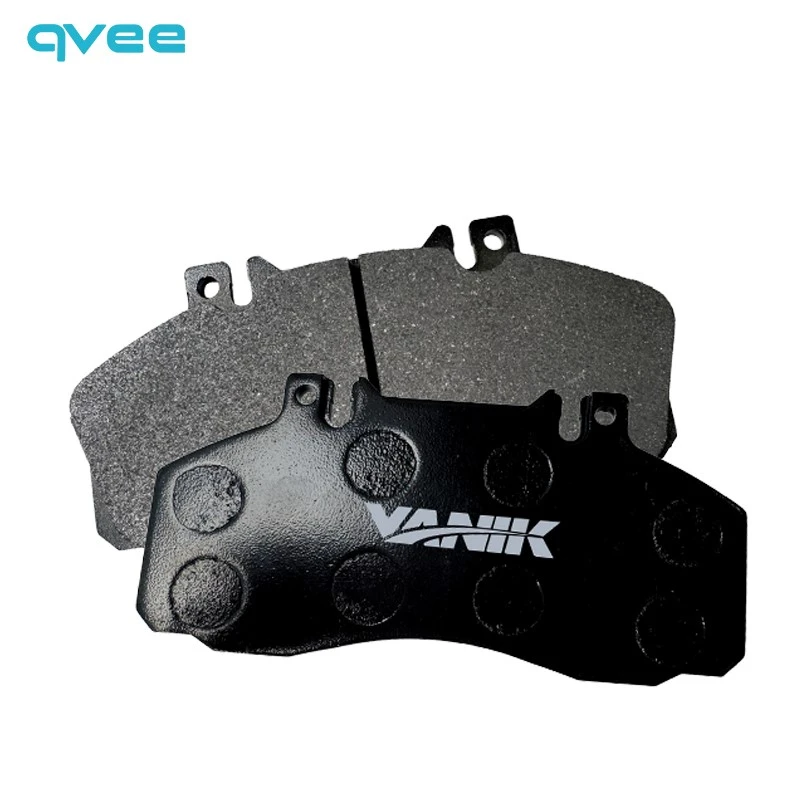
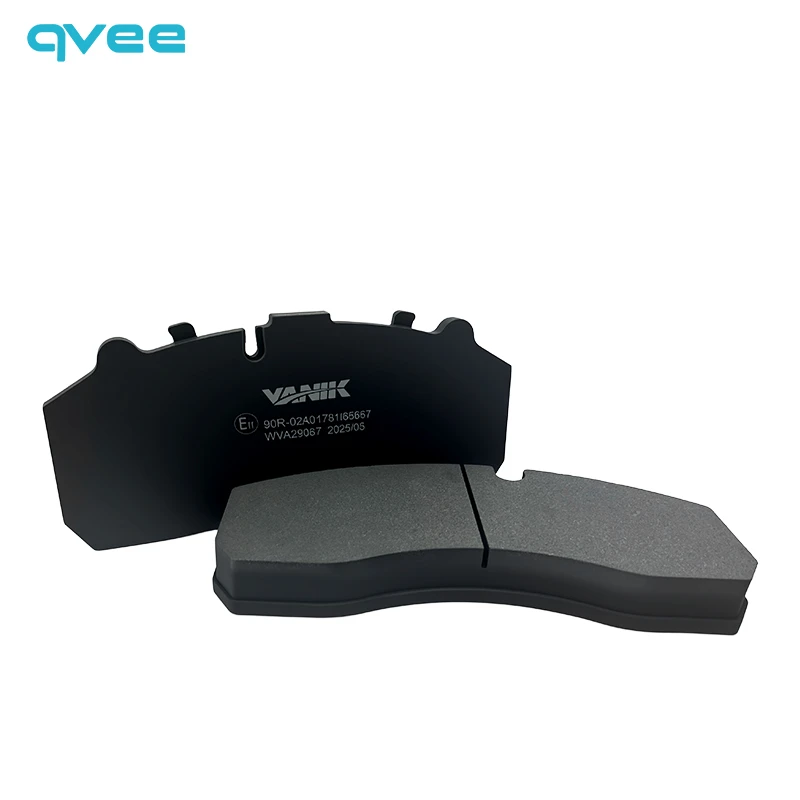
Before replacing Wear Resistant Truck Brake Pads, it is important to inspect not only the wear condition of the old pads but also the related braking components. Brake pads work together with other parts of the braking system. If any mating component is worn, damaged, or malfunctioning, installing new pads alone may not resolve the problem. It may also lead to poor braking performance, abnormal noises, or repeated uneven wear. A thorough pre-replacement inspection helps identify potential faults and maintain the braking system in proper working condition.
First, inspect the working surfaces of the brake discs or drums. Brake pads generate braking force through contact with these mating friction components, so their surface condition directly affects friction and contact. Check for noticeable grooves, cracks, abnormal wear, deformation, or other damage. If a brake disc or drum has reached the service or replacement limit specified by the vehicle manufacturer, replacing the brake pads alone will not solve the problem. Determine whether the affected component requires further servicing or replacement according to the manufacturer's requirements.
Second, inspect the brake calipers and their moving mechanisms. In braking systems that use calipers, these components must move as designed so that the brake pads engage during braking and return to an appropriate position when braking is released. If caliper movement is restricted, guide components are seized, or related mechanisms are damaged, the brake pads may remain in contact with the friction surfaces. This can cause continuous friction, uneven wear, or localized overheating. The relevant components should be inspected, and any identified problems should be addressed by qualified maintenance personnel.
Third, check the return mechanisms and related connecting components. Depending on the braking system design, return mechanisms help the components return to their appropriate positions after braking is released. If these mechanisms malfunction, the brake pads may fail to disengage properly, increasing the risk of continuous friction and abnormal wear. Inspect retaining hardware, brackets, and connecting components for looseness, damage, corrosion, or improper installation. Any problems should be corrected according to the vehicle manufacturer's maintenance requirements.
Fourth, inspect the braking system's control and force-transmission components. For vehicles with hydraulic braking systems, check the brake lines, hoses, connections, and associated mechanisms for leaks, damage, or other abnormalities. For trucks equipped with air braking systems, inspect the air supply, control mechanisms, and related connections according to the vehicle's design. Because braking system configurations vary, the inspection should follow the vehicle manufacturer's maintenance requirements. Any braking system faults must be repaired before completing the brake pad replacement.
In conclusion, before replacing Wear Resistant Truck Brake Pads, inspect the brake discs or drums, brake calipers, return mechanisms, connecting components, and the overall braking system. Confirm that the replacement products are compatible with the vehicle and resolve any related faults. These measures can reduce the likelihood of recurring abnormal wear or braking problems after replacement.


