

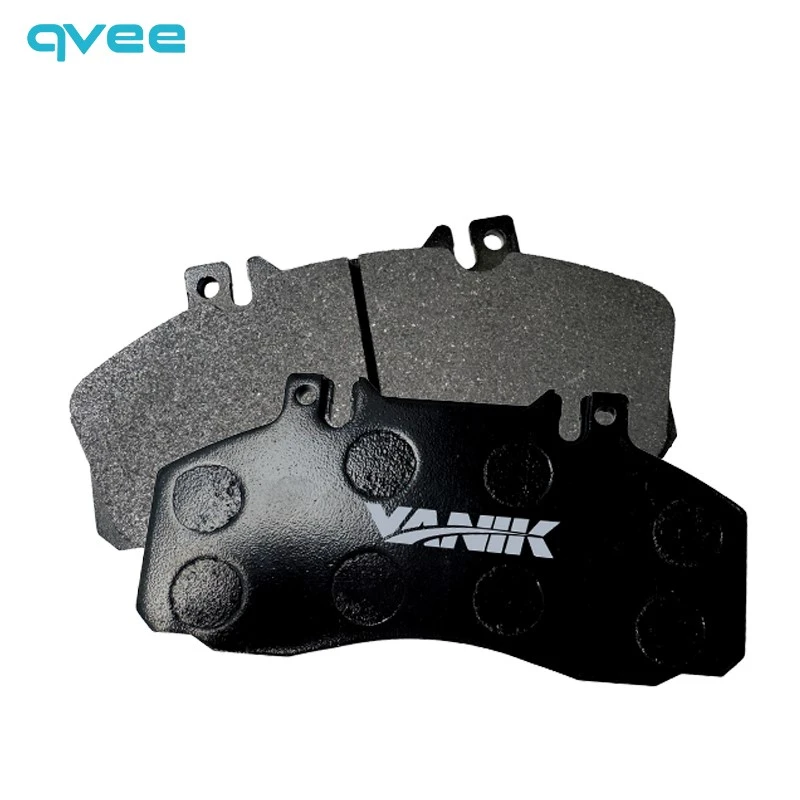
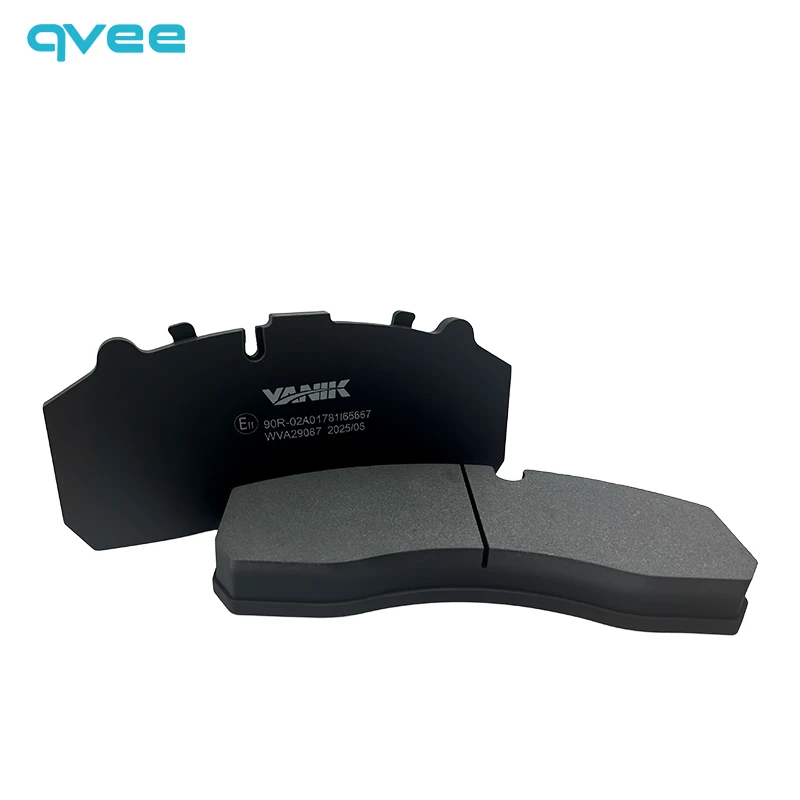
The service life of Wear Resistant Truck Brake Pads is not fixed. It depends on the vehicle's operating conditions, driving practices, and the overall condition of the braking system. Even products with good wear resistance may experience significantly different wear rates under different transportation conditions. Understanding the main factors that affect brake pad service life helps vehicle operators adopt appropriate operating and maintenance practices.
First, vehicle load is an important factor affecting brake pad wear. When a truck carries cargo, its total weight and operating conditions influence the demands placed on the braking system. If a vehicle frequently operates under heavy loads, the braking system generally needs to manage more kinetic energy, and the brake pads and associated friction components may experience greater demands. Therefore, vehicles should be operated within their specified load limits, and overloading should be avoided to reduce unnecessary wear on the braking system.
Second, driving habits directly affect brake pad wear. If drivers frequently accelerate sharply and then brake hard, or repeatedly perform forceful braking within short periods, the brake pads may be subjected to more frequent and intense friction. This can accelerate material loss and generate additional heat within the braking system. In comparison, anticipating traffic conditions, maintaining a safe following distance, and slowing down smoothly can reduce unnecessary hard braking and allow the braking system to operate under more reasonable conditions.
Third, road conditions also influence brake pad service life. In urban environments, traffic lights, congestion, and frequent stops increase the number of braking events. On mountainous roads and long downhill slopes, vehicles may need to slow down continuously, placing a substantial thermal load on the braking system. If trucks operate under these conditions for extended periods without using auxiliary braking systems appropriately, brake pad wear and overheating risks may increase. Drivers should therefore adjust their speed to the road conditions and use engine braking or other auxiliary braking methods according to the vehicle manufacturer's instructions.
Fourth, the overall condition of the braking system is equally important. If the brake calipers, return mechanisms, or other related components malfunction, the brake pads may fail to disengage properly, resulting in continuous friction or uneven wear. Abnormal conditions on the surfaces of brake discs or drums can also affect friction and contact. If uneven wear, unusual noises, localized overheating, or changes in braking performance are detected, the entire braking system should be inspected rather than focusing solely on the brake pads.
Finally, regular inspection and maintenance are essential for managing brake pad service life. Periodically checking brake pad wear and examining brake discs or drums and other related components can help identify problems at an early stage. Appropriate cleaning can also help prevent contamination from affecting component performance. Brake pads that have reached their replacement limits or show cracks, damage, or other serious defects should be replaced promptly. They should never be kept in service simply to extend their operating life.
In summary, the service life of Wear Resistant Truck Brake Pads is influenced by several factors working together. Controlling vehicle loads, improving driving habits, responding appropriately to challenging road conditions, maintaining the braking system, and inspecting and replacing brake pads according to their actual condition can help control wear and support braking safety.


