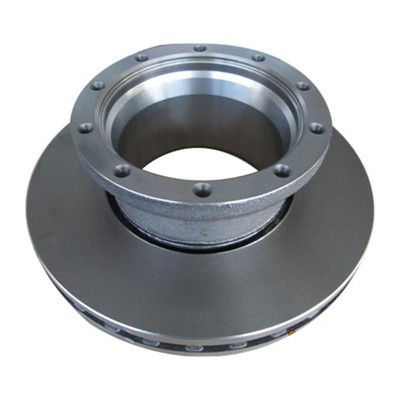
Car brake discs are a crucial component in the automotive safety system, responsible for slowing down and stopping vehicles. As a car brake disc supplier, I've encountered numerous inquiries regarding the disposal of these components. This blog aims to delve into whether car brake discs require a special disposal method, providing insights into the environmental impact, legal requirements, and best practices for handling used brake discs.
The Composition of Car Brake Discs
Before discussing disposal methods, it's essential to understand the composition of car brake discs. Most brake discs are made of cast iron, which is durable and can withstand high temperatures generated during braking. However, modern brake discs may also incorporate other materials such as carbon-ceramic composites, which offer superior performance but are more expensive.
Cast iron brake discs are relatively simple in composition, primarily consisting of iron and a small amount of carbon and other alloying elements. On the other hand, carbon-ceramic brake discs are composed of carbon fibers embedded in a ceramic matrix, providing excellent heat resistance and reduced weight. These differences in composition have implications for their disposal.
Environmental Impact of Brake Disc Disposal
Improper disposal of brake discs can have significant environmental consequences. Cast iron brake discs, if left in landfills, can take a long time to decompose and may leach heavy metals into the soil and groundwater over time. Although the amount of heavy metals in cast iron is relatively low, the cumulative effect of millions of discarded brake discs can be substantial.
Carbon-ceramic brake discs, while more environmentally friendly during use due to their lower wear and reduced particulate emissions, pose challenges during disposal. The ceramic matrix and carbon fibers are difficult to break down, and if not properly managed, they can contribute to landfill waste.
Legal Requirements for Brake Disc Disposal
In many countries and regions, there are specific regulations governing the disposal of automotive parts, including brake discs. These regulations are designed to protect the environment and human health by ensuring that hazardous materials are handled and disposed of safely.
For example, in the European Union, the Waste Electrical and Electronic Equipment (WEEE) Directive and the End-of-Life Vehicles (ELV) Directive set out strict rules for the collection, treatment, and recycling of automotive components. Brake discs are considered part of the ELV waste stream and must be recycled or disposed of in accordance with these directives.
In the United States, the Environmental Protection Agency (EPA) regulates the disposal of hazardous waste, which may include certain types of brake discs. States may also have their own regulations regarding automotive waste disposal, so it's important for brake disc suppliers and automotive repair shops to be aware of and comply with local laws.
Special Disposal Methods for Brake Discs
Given the environmental impact and legal requirements, it's clear that car brake discs do require a special disposal method. Here are some of the recommended practices:
Recycling
Recycling is the most environmentally friendly option for disposing of brake discs. Cast iron brake discs can be easily recycled by melting them down and reusing the iron to make new products. Many recycling facilities accept automotive parts, including brake discs, and have the necessary equipment to separate the iron from other materials.
Carbon-ceramic brake discs are more challenging to recycle, but research is underway to develop more effective recycling methods. Some companies are exploring ways to recover the carbon fibers and ceramic materials from used brake discs and reuse them in new products.
Reconditioning
Another option for brake disc disposal is reconditioning. Instead of discarding used brake discs, they can be resurfaced and reused. Reconditioning involves machining the surface of the brake disc to remove any wear or damage, restoring it to its original specifications. This not only reduces waste but also saves money for consumers.
However, not all brake discs are suitable for reconditioning. Brake discs that are severely worn, cracked, or warped may need to be replaced rather than reconditioned. It's important for automotive repair shops to assess the condition of the brake discs before deciding whether to recondition or replace them.
Proper Storage and Transportation
Regardless of the disposal method chosen, it's important to store and transport used brake discs properly. Brake discs should be stored in a dry, secure location to prevent rust and damage. When transporting brake discs to a recycling facility or repair shop, they should be packed securely to prevent them from shifting or causing damage to other items.
Our Role as a Brake Disc Supplier
As a car brake disc supplier, we play a crucial role in promoting proper disposal methods for our products. We work closely with our customers to ensure that they understand the importance of responsible brake disc disposal and provide them with information on recycling and reconditioning options.

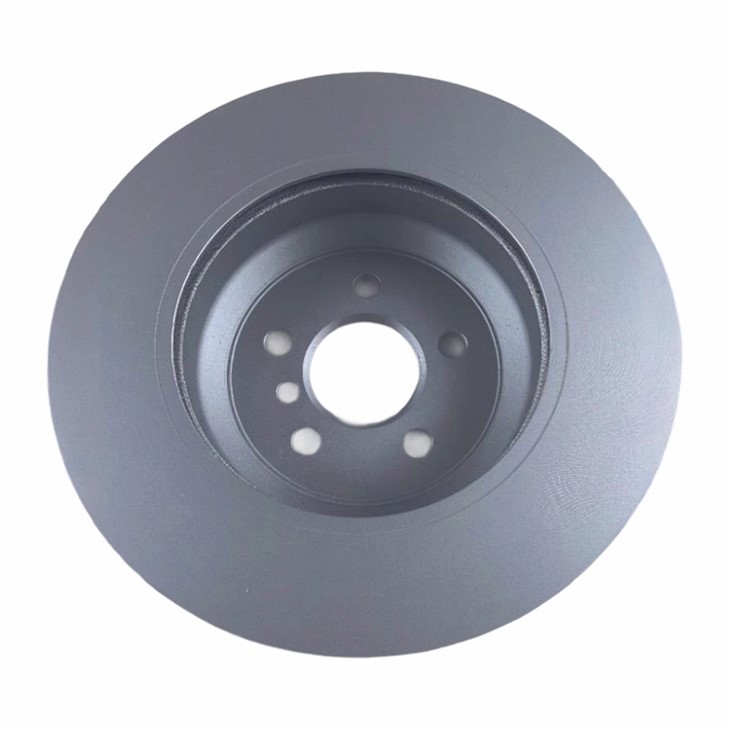
We also offer a range of high-quality brake discs, including Volvo Brake Discs, Mercedes Brake Disc, and Toyota Floating Carbon BrakeDiscs. These products are designed to meet the highest standards of quality and performance, while also being environmentally friendly.
Conclusion
In conclusion, car brake discs do require a special disposal method due to their environmental impact and legal requirements. Recycling and reconditioning are the most recommended options for disposing of brake discs, as they reduce waste and conserve resources. As a brake disc supplier, we are committed to promoting responsible disposal practices and providing our customers with high-quality, environmentally friendly products.
If you are interested in purchasing brake discs or have any questions about brake disc disposal, please feel free to contact us for further discussion and procurement negotiations. We look forward to working with you to ensure the safety and sustainability of your automotive operations.
References
- European Union, Waste Electrical and Electronic Equipment (WEEE) Directive.
- European Union, End-of-Life Vehicles (ELV) Directive.
- United States Environmental Protection Agency (EPA), Hazardous Waste Regulations.
- Automotive industry research reports on brake disc materials and disposal methods.