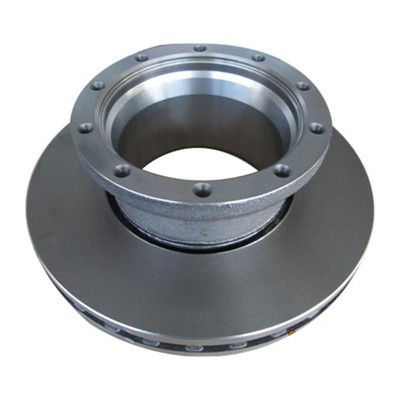
When it comes to the automotive industry, the performance and quality of car brake pads play a crucial role in ensuring driving safety. As a professional car brake pads supplier, I have witnessed the diverse demands from different markets and the distinct characteristics of European and Asian car brake pads. In this blog, I will delve into the differences between these two types of brake pads, providing valuable insights for car owners and industry enthusiasts.
Material Composition
One of the primary differences between European and Asian car brake pads lies in their material composition. European brake pads often emphasize high - performance materials to meet the requirements of powerful European cars. Many European brake pads incorporate metallic components, which offer excellent heat dissipation and high - friction coefficients. For instance, Metallic Brake Pads are quite popular in the European market. These metallic brake pads can withstand high temperatures generated during aggressive driving, making them suitable for sports cars and high - end luxury vehicles commonly found in Europe.
On the other hand, Asian car brake pads typically use a more diverse range of materials, including semi - metallic, ceramic, and organic compounds. Ceramic brake pads are widely used in Asian cars, especially in passenger vehicles. They are known for their quiet operation, low dust production, and good braking performance under normal driving conditions. Asian manufacturers often focus on providing a balance between performance, comfort, and cost - effectiveness, which is well - suited to the driving habits and market demands in Asia.
Performance Characteristics
Braking Force
European car brake pads are generally designed to provide strong and immediate braking force. European cars, such as high - end sedans and sports cars from brands like BMW, Mercedes - Benz, and Porsche, are known for their high - speed performance. Brake pads for these vehicles need to be able to stop the car quickly and effectively, even at high speeds. This requires a high - friction coefficient and excellent heat resistance. European brake pads are engineered to meet these demanding requirements, ensuring reliable braking performance in various driving scenarios.
Asian car brake pads, while also providing sufficient braking force, tend to have a more gradual braking feel. This is because Asian cars are often used for daily commuting and urban driving, where a smooth and comfortable braking experience is preferred. The braking force of Asian brake pads is calibrated to offer a more linear response, which helps to reduce the risk of sudden stops and provides a more comfortable ride for passengers.
Heat Resistance
Heat is one of the biggest enemies of brake pads. During braking, a large amount of heat is generated, which can cause the brake pads to fade and lose their effectiveness. European car brake pads are designed with superior heat resistance to handle the high - energy braking requirements of European cars. They can maintain their performance even under extreme heat conditions, such as continuous high - speed driving or heavy braking on mountain roads.


Asian car brake pads also have good heat resistance, but they are optimized for more typical driving conditions in Asia. Since Asian driving often involves stop - and - go traffic in urban areas, the heat generated during braking is generally lower compared to high - speed European driving. Therefore, Asian brake pads are designed to provide reliable performance under normal heat conditions while still offering a reasonable lifespan.
Design and Compatibility
Design
European car brake pads are often designed with a focus on precision engineering and advanced technology. They are manufactured to strict quality standards and are often customized for specific car models. The design of European brake pads takes into account factors such as the vehicle's weight, power, and braking system requirements. This ensures that the brake pads fit perfectly and work in harmony with the entire braking system, maximizing performance and safety.
Asian car brake pads, while also adhering to high - quality standards, are designed with a more practical and cost - effective approach. They are often designed to be compatible with a wider range of car models, which helps to reduce production costs and increase market availability. Asian manufacturers also pay attention to the ease of installation, making it easier for mechanics and car owners to replace the brake pads.
Compatibility
European car brake pads are typically designed to be compatible with European cars, which have unique braking system specifications. Using non - compatible brake pads on a European car can lead to reduced braking performance, increased wear and tear, and even safety risks. Therefore, it is important to choose brake pads that are specifically designed for European car models.
Asian car brake pads, on the other hand, are more versatile in terms of compatibility. They can be used in a variety of Asian and some non - Asian car models. This is because Asian manufacturers often aim to provide a broader range of products to meet the diverse needs of the market. However, it is still important to ensure that the brake pads are compatible with the specific car model to ensure optimal performance.
Cost
In general, European car brake pads tend to be more expensive than Asian car brake pads. This is due to several factors, including the use of high - performance materials, advanced manufacturing processes, and strict quality control. European brake pads are often associated with luxury and high - end vehicles, and the cost reflects the brand value and the level of performance they offer.
Asian car brake pads are more cost - effective, making them a popular choice for budget - conscious consumers. Asian manufacturers have been able to achieve a good balance between quality and cost by using efficient production methods and a wide range of materials. This makes Asian brake pads an attractive option for daily drivers and those who are looking for reliable braking performance without breaking the bank.
Market Demand and Driving Habits
The differences between European and Asian car brake pads are also influenced by market demand and driving habits. In Europe, there is a strong demand for high - performance cars, and consumers are willing to pay a premium for brake pads that can provide excellent braking performance. European driving habits often involve high - speed driving on highways and aggressive driving in sports cars, which require brake pads with high heat resistance and strong braking force.
In Asia, the majority of car owners use their vehicles for daily commuting and urban driving. Comfort, quiet operation, and cost - effectiveness are important factors for Asian consumers. Asian manufacturers respond to these demands by producing brake pads that offer a smooth braking experience, low dust production, and reasonable pricing.
As a car brake pads supplier, I understand the unique requirements of both European and Asian markets. Whether you are looking for BENTLEY Brake Pads for your luxury European car or Passenger Car Brake Pads for your Asian vehicle, I can provide you with high - quality products that meet your specific needs.
If you are interested in purchasing car brake pads or have any questions about our products, please feel free to contact us for procurement discussions. We are committed to providing you with the best solutions and excellent customer service.
References
- "Automotive Brake Systems: Fundamentals, Diagnosis, and Repair" by James D. Halderman
- "The Automotive Brake Handbook" by Chris Hoyle