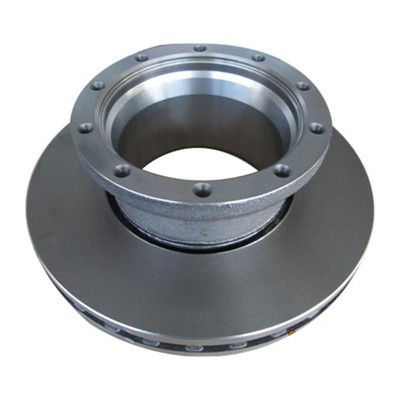
Hey there, fellow car enthusiasts! As a supplier of BMW Brake Discs, I often get asked about how to check the condition of the brake master cylinder for BMW brake discs. It's a crucial part of the braking system, and making sure it's in tip - top shape can keep you safe on the road. So, let's dive right in!
First off, what the heck is a brake master cylinder? Well, it's like the heart of your car's braking system. When you press the brake pedal, the master cylinder converts the mechanical force from your foot into hydraulic pressure. This pressure then gets sent to the brake calipers, which squeeze the brake pads against the brake discs, bringing your car to a stop.
Why Checking the Brake Master Cylinder is Important
If the brake master cylinder isn't working properly, it can lead to all sorts of problems. You might notice a spongy or soft brake pedal, which means the hydraulic pressure isn't being transferred effectively. This could result in longer stopping distances, putting you and others at risk. In some cases, a faulty master cylinder can even cause the brakes to fail completely. So, regular checks are a must!
Tools You'll Need
Before you start checking the brake master cylinder, gather these tools:
- A socket set
- A brake fluid tester
- A clean rag
- Safety glasses
Step - by - Step Guide to Checking the Brake Master Cylinder
Step 1: Park Your Car Safely
Make sure your BMW is parked on a flat, level surface. Engage the parking brake and turn off the engine. Put on your safety glasses to protect your eyes from any potential brake fluid splashes.
Step 2: Locate the Brake Master Cylinder
The brake master cylinder is usually located on the driver's side of the engine compartment, near the firewall. It's a small, cylindrical reservoir with a cap on top.
Step 3: Check the Brake Fluid Level
Remove the cap from the brake master cylinder reservoir. You'll see a clear plastic container with markings indicating the minimum and maximum fluid levels. The brake fluid should be between these two marks. If it's below the minimum level, it could be a sign of a leak or excessive wear on the brake pads.
Use a clean rag to wipe the dipstick or the inside of the reservoir if necessary. If the fluid looks dirty or has a dark color, it might be time to replace it. You can use a brake fluid tester to check the quality of the fluid. If the tester indicates that the fluid is contaminated or has a high water content, it's best to flush the system and add fresh brake fluid.


Step 4: Look for Leaks
Inspect the brake master cylinder and the surrounding area for any signs of leaks. Look for wet spots, drips, or puddles of brake fluid. Leaks can occur around the seals, fittings, or the cylinder itself. If you find a leak, it's important to address it immediately. A leak can cause a loss of hydraulic pressure, which can lead to brake failure.
Step 5: Check the Brake Pedal Feel
Get back in the car and press the brake pedal a few times. The pedal should feel firm and responsive. If it feels spongy or goes all the way to the floor, there could be a problem with the brake master cylinder or the braking system. A spongy pedal might indicate air in the brake lines or a failing master cylinder.
Step 6: Inspect the Pushrod
The pushrod connects the brake pedal to the brake master cylinder. Check the pushrod for any signs of damage, such as bending or excessive wear. If the pushrod is damaged, it can affect the operation of the master cylinder.
Step 7: Check the Master Cylinder Mounting
Make sure the brake master cylinder is securely mounted to the firewall. Loose mounting can cause the master cylinder to move or vibrate, which can lead to premature wear and failure.
When to Replace the Brake Master Cylinder
If you notice any of the following signs, it might be time to replace the brake master cylinder:
- A spongy or soft brake pedal that doesn't improve after bleeding the brakes
- A brake pedal that goes all the way to the floor
- Leaks around the master cylinder
- Excessive brake fluid consumption
- Contaminated or dirty brake fluid that can't be fixed by flushing
Our BMW Brake Discs and Related Products
As a BMW Brake Disc supplier, we offer high - quality brake discs that are designed to work perfectly with your BMW's braking system. We also have a range of Modified Brake Disc for those who want to upgrade their braking performance. And if you're into other car brands, we've got you covered too. Check out our Volvo Brake Discs and Toyota Brake Disc.
Conclusion
Checking the condition of the brake master cylinder for BMW brake discs is an important part of car maintenance. By following these steps, you can catch potential problems early and keep your brakes in good working order. Remember, safety should always be your top priority on the road.
If you're interested in purchasing our high - quality brake discs or have any questions about brake system maintenance, feel free to reach out. We're here to help you make the right choices for your car.
References
- "Automotive Brake Systems" by James D. Halderman
- "How to Maintain Your Car's Brakes" - Popular Mechanics Magazine