How do I troubleshoot problems with FORD brake pads?
As a trusted supplier of FORD brake pads, I understand the importance of reliable braking systems in ensuring vehicle safety. Brake pads are a critical component of any car's braking system, and when issues arise, it can be a cause for concern. In this blog post, I'll share some common problems with FORD brake pads and how to troubleshoot them effectively.
Common Problems with FORD Brake Pads
1. Squealing or Screeching Noises
One of the most common issues drivers encounter with brake pads is a high - pitched squealing or screeching noise when applying the brakes. This noise can be quite annoying and is often an indication of several problems.
- Worn Brake Pads: Over time, brake pads wear down. When the friction material on the brake pads gets too thin, a metal wear indicator on the pad may come into contact with the brake rotor, creating the squealing noise. If you notice this, it's crucial to check the thickness of your brake pads immediately.
- Contaminated Brake Pads: Brake pads can become contaminated with oil, grease, or brake fluid. This can cause the pads to lose their friction and produce a squealing sound. Contamination can occur due to a leak in the braking system or improper handling during installation.
2. Reduced Braking Performance
If you find that your FORD vehicle takes longer to stop or requires more pressure on the brake pedal, it could be a sign of reduced braking performance.
- Glazed Brake Pads: When brake pads are exposed to excessive heat, the friction material can become glazed. Glazed brake pads have a smooth, shiny surface that reduces their ability to grip the brake rotor effectively. This can happen if you frequently drive in stop - and - go traffic or if you brake hard repeatedly.
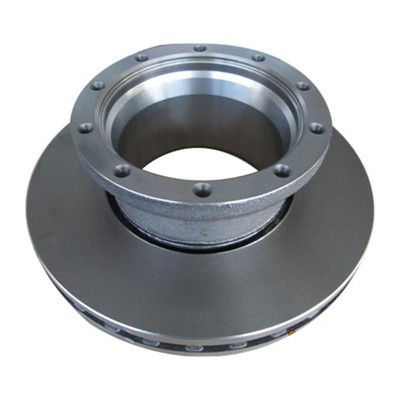
- Warped Brake Rotors: Warped brake rotors can also contribute to reduced braking performance. A warped rotor causes uneven contact between the brake pads and the rotor, resulting in a pulsating feeling when you apply the brakes and less efficient braking.
3. Vibration or Pulsation
Feeling a vibration or pulsation in the brake pedal when you apply the brakes is another common problem.
- Uneven Brake Pad Wear: Uneven wear on the brake pads can cause vibration. This can be due to misaligned calipers, which prevent the brake pads from applying even pressure on the rotor.
- Warped or Damaged Brake Rotors: As mentioned earlier, warped or damaged brake rotors can cause a pulsating feeling in the brake pedal. The uneven surface of the rotor leads to inconsistent contact with the brake pads, resulting in vibration.
Troubleshooting Steps
Step 1: Visual Inspection
The first step in troubleshooting brake pad problems is to perform a visual inspection.
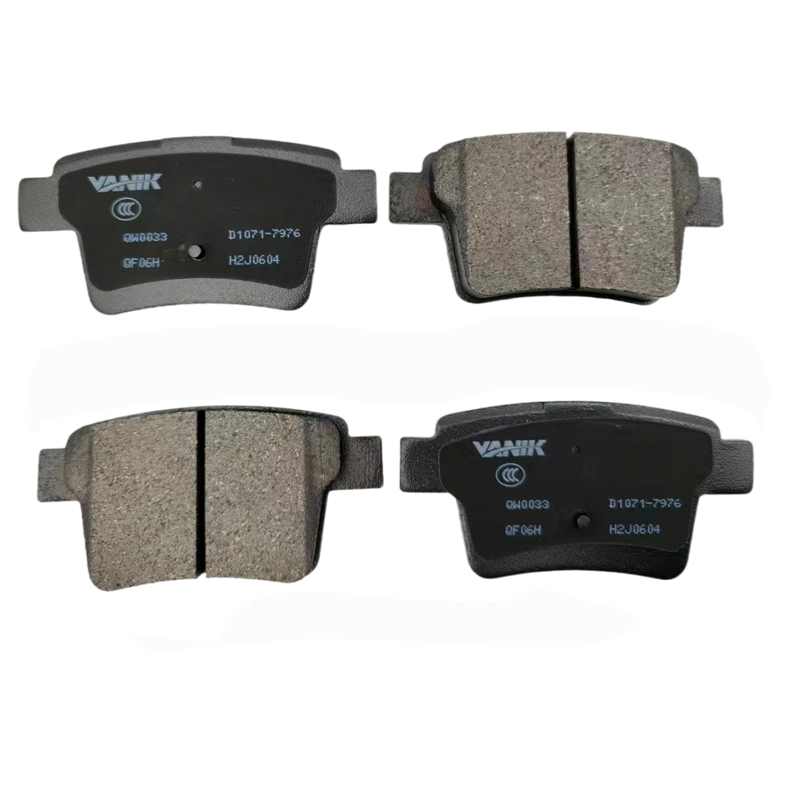
- Check Brake Pad Thickness: Remove the wheel and visually inspect the brake pads. Most brake pads have a wear indicator that will tell you when they need to be replaced. If the friction material is less than 1/8 inch thick, it's time to replace the brake pads.
- Look for Contamination: Check the brake pads for any signs of oil, grease, or brake fluid contamination. If you notice any contamination, clean the brake pads thoroughly or replace them if the contamination is severe.
- Inspect Brake Rotors: Examine the brake rotors for signs of warping, scoring, or damage. A warped rotor may have a visible uneven surface, while scoring appears as grooves on the rotor.
Step 2: Addressing Squealing Noises
- Replace Worn Brake Pads: If the squealing is due to worn brake pads, replace them immediately. When installing new brake pads, make sure to follow the manufacturer's instructions carefully.
- Clean Contaminated Brake Pads: If the brake pads are contaminated, clean them using a brake cleaner. However, if the contamination is extensive, it's best to replace the brake pads.
Step 3: Improving Braking Performance
- De - glaze Brake Pads: If the brake pads are glazed, you can try de - glazing them. This can be done by sanding the surface of the brake pads with fine - grit sandpaper. However, if the glazing is severe, it's better to replace the brake pads.
- Replace Warped Brake Rotors: If the brake rotors are warped, they need to be replaced. A warped rotor cannot be properly resurfaced in most cases, and replacing it is the only reliable solution.
Step 4: Eliminating Vibration or Pulsation
- Align Calipers: If the vibration is due to misaligned calipers, have a professional mechanic align them. Proper caliper alignment ensures even pressure on the brake pads and reduces vibration.
- Replace Damaged Brake Rotors: As with reduced braking performance, warped or damaged brake rotors should be replaced to eliminate vibration.
Different Types of Brake Pads for FORD Vehicles
As a FORD brake pad supplier, I offer a variety of brake pads to suit different driving needs.
- Metallic Brake Pads: Metallic Brake Pads are known for their durability and high - performance capabilities. They are made from a mixture of metal fibers and are ideal for heavy - duty driving, such as towing or high - speed driving. Metallic brake pads can withstand high temperatures and provide consistent braking performance.
- Ceramic Brake Pads: Ceramic brake pads are quieter and produce less dust compared to metallic brake pads. They are also very effective at dissipating heat, making them a popular choice for daily driving.
- Semi - Metallic Brake Pads: Semi - metallic brake pads are a combination of metallic and organic materials. They offer a good balance between performance and cost, making them a versatile option for many FORD vehicle owners.
Comparison with Other Brands
In addition to FORD brake pads, we also supply brake pads for other popular car brands such as ALFA ROMEO Brake Pads and JAGUAR Brake Pads. While the basic principles of troubleshooting brake pad problems are similar across different brands, each brand may have specific requirements and characteristics.
For example, ALFA ROMEO vehicles often require high - performance brake pads to match their sporty driving nature. Our ALFA ROMEO brake pads are designed to provide excellent stopping power and durability. On the other hand, JAGUAR vehicles are known for their luxury and smooth driving experience. Our JAGUAR brake pads are engineered to offer quiet operation and consistent braking performance.

Conclusion
Troubleshooting problems with FORD brake pads is an important part of maintaining your vehicle's safety and performance. By being aware of common problems such as squealing noises, reduced braking performance, and vibration, and following the appropriate troubleshooting steps, you can ensure that your FORD vehicle's braking system is in top condition.
As a reliable FORD brake pad supplier, we are committed to providing high - quality brake pads that meet the strictest standards. Whether you need metallic, ceramic, or semi - metallic brake pads, we have the right solution for your FORD vehicle. If you have any questions or are interested in purchasing our brake pads, please feel free to contact us for more information and to start a procurement discussion.
References
- Brake System Handbook, Automotive Aftermarket Industry Association
- Ford Vehicle Maintenance Manuals