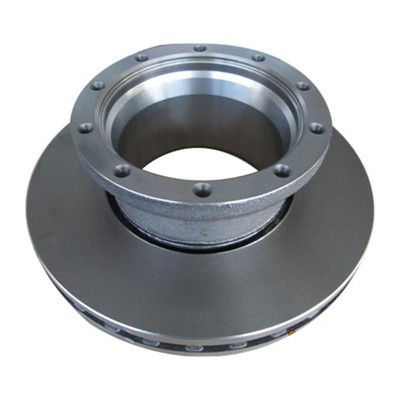
What is the installation process for rear brake shoes?
As a rear brake shoes supplier, I've had numerous inquiries about the installation process of rear brake shoes. It's a crucial part of vehicle maintenance, and understanding the steps can help ensure your vehicle's safety and optimal performance. In this blog, I'll walk you through the installation process, offering valuable insights and tips.
Pre - installation Preparation
Before you start the installation, it's essential to gather all the necessary tools and parts. You'll need a socket set, a brake spring tool, a brake adjustment tool, a C - clamp, and of course, the Rear Brake Shoes you've purchased. Additionally, make sure you have a clean workspace and safety equipment such as gloves and safety glasses.
First, park your vehicle on a level surface and engage the parking brake. Then, loosen the lug nuts on the rear wheels using a lug wrench. Jack up the rear of the vehicle and support it securely on jack stands. Remove the rear wheels to access the brake drum.
Removing the Old Brake Shoes
Once the wheel is removed, locate the brake drum. In some cases, you may need to remove a dust cover or a retaining screw to access the drum. Use a hammer to gently tap around the edge of the drum to loosen it. If the drum is stuck, you can try adjusting the brake adjuster to reduce the pressure on the drum.
After removing the drum, you'll see the old brake shoes, springs, and other components. Use the brake spring tool to remove the return springs and the hold - down springs. Take note of how the springs are attached, as you'll need to reinstall them correctly later. Disconnect the brake cable from the brake shoes if it's attached. Then, remove the old brake shoes from the backing plate.
Inspecting the Components
While you have the brakes apart, it's a good time to inspect other components. Check the brake drum for any signs of wear, cracks, or scoring. If the drum is worn beyond the manufacturer's specifications, it should be replaced. Inspect the wheel cylinders for leaks or damage. If there are any leaks, the wheel cylinders need to be replaced. Also, check the brake hardware, such as the springs and pins, for signs of wear or corrosion. Replace any damaged or worn - out parts.
Installing the New Brake Shoes
Now it's time to install the new Rear Brake Shoes. Place the new brake shoes on the backing plate in the correct position. Make sure the brake shoes are properly aligned with the wheel cylinders and the adjuster. Use the brake spring tool to reinstall the return springs and the hold - down springs. Connect the brake cable to the new brake shoes if applicable.
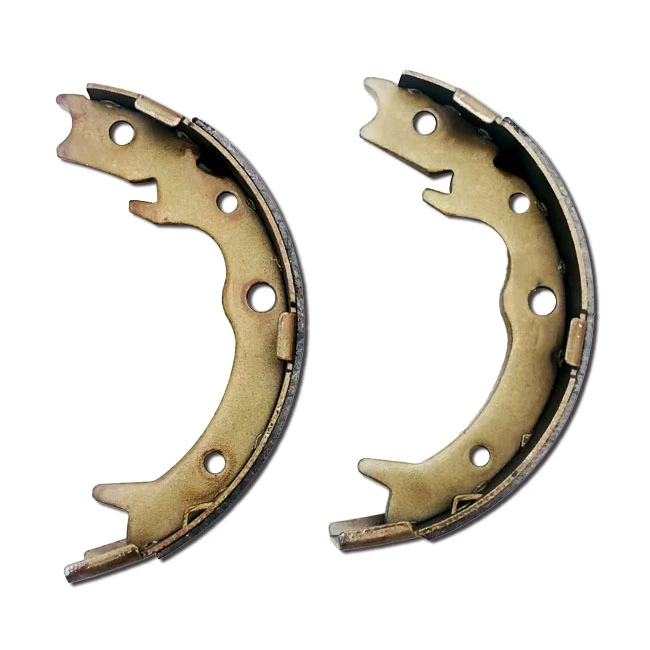

Adjust the brake shoes using the brake adjustment tool. You want to set the shoes so that they are close to the drum but not rubbing against it. This adjustment is crucial for proper braking performance.
Reinstalling the Brake Drum
Before reinstalling the brake drum, clean it thoroughly to remove any dirt or debris. Then, carefully place the drum over the brake shoes. If the drum doesn't fit easily, double - check the brake shoe adjustment. Once the drum is in place, reinstall the dust cover or retaining screw if you removed them earlier.
Reinstalling the Wheel
After the brake drum is installed, it's time to put the wheel back on. Align the wheel with the wheel hub and hand - tighten the lug nuts. Lower the vehicle from the jack stands and use a torque wrench to tighten the lug nuts to the manufacturer's specifications.
Testing the Brakes
Once the wheel is reinstalled, it's important to test the brakes. Start the vehicle and slowly drive it forward at a low speed. Apply the brakes gently to make sure they are working properly. If you notice any strange noises, vibrations, or a spongy brake pedal, there may be an issue with the installation. In this case, it's best to re - check the brakes.
Special Considerations for Different Vehicles
Some vehicles, like BMWs, may have specific requirements for rear brake shoe installation. BMW Rear Brake Shoes often come with unique features and may require special tools or procedures. For example, BMW may use an electronic parking brake system, which adds an extra layer of complexity to the installation process. Make sure to consult the vehicle's service manual if you're working on a specific make and model.
Handbrake Pad Considerations
The handbrake pad is an important part of the rear brake system. If you're replacing the rear brake shoes, it's also a good idea to check the condition of the Handbrake Pad. The handbrake pad works in conjunction with the rear brake shoes to provide additional braking force when the parking brake is engaged. Inspect the handbrake pad for wear and replace it if necessary.
Conclusion
Installing rear brake shoes is a task that requires patience, the right tools, and a good understanding of the process. By following these steps, you can ensure a proper installation and maintain the safety and performance of your vehicle's braking system.
If you're in the market for high - quality rear brake shoes, handbrake pads, or other brake components, we're here to help. As a reliable rear brake shoes supplier, we offer a wide range of products to meet your needs. Whether you're a professional mechanic or a DIY enthusiast, our products are designed to provide excellent performance and durability.
If you have any questions about our products or need further advice on brake installation, don't hesitate to contact us. We're always ready to assist you in making the right choice for your vehicle. Let's work together to keep your vehicle's brakes in top - notch condition.
References
- "Automotive Brake Systems" - A comprehensive guidebook on brake systems in vehicles.
- Vehicle service manuals for various makes and models.