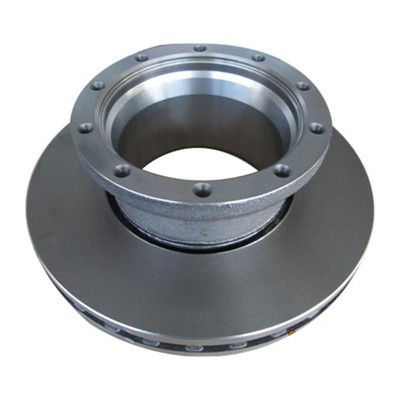
The brake disc system is a critical component of any truck, ensuring the safety and efficiency of the vehicle's operation. As a truck brake disc supplier, we understand the importance of maintaining a well - functioning brake disc system. In this blog, we will discuss some common problems in a truck brake disc system and provide practical solutions to fix them.


1. Brake Disc Wear
One of the most common problems in a truck brake disc system is wear. Over time, the friction between the brake pads and the brake discs causes the discs to wear down. Excessive wear can lead to reduced braking performance, increased stopping distances, and even brake failure.
Causes of Wear
- Frequent Braking: Trucks that are used in stop - and - go traffic or in hilly areas require more frequent braking, which accelerates the wear of the brake discs.
- Heavy Loads: Carrying heavy loads puts more stress on the braking system, causing the brake discs to wear out faster.
- Poor Quality Brake Pads: Low - quality brake pads can cause uneven wear on the brake discs, leading to premature failure.
Solutions
- Regular Inspection: Regularly inspect the brake discs for signs of wear. Most brake discs have wear indicators that will show when the disc has reached its minimum thickness. If the wear indicators are visible or the disc thickness is below the recommended level, the disc should be replaced.
- Use High - Quality Brake Pads: Invest in high - quality brake pads that are designed to work well with your truck's brake discs. High - quality pads will provide better braking performance and reduce wear on the discs. You can explore our Commercial Truck Brake Discs which are engineered to work in harmony with top - notch brake pads.
- Proper Driving Habits: Encourage drivers to practice proper driving habits, such as avoiding sudden and hard braking. Gradual braking reduces the stress on the brake discs and extends their lifespan.
2. Brake Disc Warping
Brake disc warping is another common issue that can affect the performance of a truck's braking system. A warped brake disc can cause vibrations in the steering wheel or brake pedal when the brakes are applied, and it can also lead to uneven braking.
Causes of Warping
- Overheating: Excessive heat can cause the brake discs to warp. This can happen when the brakes are applied continuously for long periods, such as when driving down a steep hill.
- Improper Installation: If the brake discs are not installed correctly, they can become warped over time. This includes improper torque on the mounting bolts or uneven contact between the disc and the hub.
- Corrosion: Corrosion can weaken the structure of the brake disc, making it more prone to warping.
Solutions
- Cooling the Brakes: When driving down a long, steep hill, use engine braking to reduce the load on the brakes and prevent overheating. You can also allow the brakes to cool down periodically during long - distance driving.
- Proper Installation: Ensure that the brake discs are installed correctly by following the manufacturer's instructions. Use a torque wrench to tighten the mounting bolts to the specified torque.
- Anti - Corrosion Measures: Apply anti - corrosion coatings to the brake discs to protect them from rust and corrosion. If corrosion is already present, the disc may need to be resurfaced or replaced. Our Heavy Commercial Vehicle Brake Discs are treated with advanced anti - corrosion technologies to minimize the risk of warping due to corrosion.
3. Brake Noise
Brake noise is a nuisance that can also indicate underlying problems in the brake disc system. Squealing, grinding, or rattling noises when the brakes are applied can be a sign of worn brake pads, loose components, or other issues.
Causes of Brake Noise
- Worn Brake Pads: As brake pads wear down, they can start to make noise. This is especially true when the pad material is almost completely worn and the metal backing plate comes into contact with the brake disc.
- Loose Components: Loose brake calipers, pads, or other components can cause rattling or vibrating noises.
- Contaminants: Dirt, dust, or other contaminants on the brake discs or pads can cause noise.
Solutions
- Replace Worn Brake Pads: If the brake pads are worn, replace them immediately. Make sure to use the correct type of brake pads for your truck.
- Tighten Loose Components: Inspect the brake calipers, pads, and other components for looseness. Tighten any loose bolts or nuts as needed.
- Clean the Brakes: Regularly clean the brake discs and pads to remove contaminants. You can use a brake cleaner and a soft brush to clean the surfaces.
4. Brake Fluid Leaks
Brake fluid leaks are a serious problem that can compromise the safety of the truck's braking system. A leak in the brake fluid system can cause a loss of hydraulic pressure, resulting in reduced braking performance or complete brake failure.
Causes of Brake Fluid Leaks
- Damaged Brake Lines: The brake lines can be damaged by corrosion, abrasion, or physical impact. A damaged brake line can leak brake fluid.
- Faulty Seals: The seals in the brake calipers, master cylinder, or other components can wear out or become damaged, causing brake fluid to leak.
- Loose Fittings: Loose fittings in the brake fluid system can also lead to leaks.
Solutions
- Inspect the Brake Lines: Regularly inspect the brake lines for signs of damage, such as corrosion, cracks, or leaks. If a damaged brake line is found, it should be replaced immediately.
- Replace Faulty Seals: If a seal is leaking, replace it with a new one. Make sure to use high - quality seals that are compatible with your truck's brake system.
- Tighten Loose Fittings: Check all the fittings in the brake fluid system for tightness. Tighten any loose fittings using the appropriate tools.
5. Uneven Braking
Uneven braking occurs when one or more wheels on the truck do not brake as effectively as the others. This can cause the truck to pull to one side when the brakes are applied, which is a serious safety hazard.
Causes of Uneven Braking
- Uneven Brake Pad Wear: If the brake pads on one wheel wear out faster than the others, it can cause uneven braking.
- Sticking Brake Calipers: A sticking brake caliper can prevent the brake pads from applying even pressure on the brake disc, resulting in uneven braking.
- Brake Line Restrictions: A blocked or restricted brake line can reduce the hydraulic pressure to one or more wheels, causing uneven braking.
Solutions
- Equalize Brake Pad Wear: Regularly inspect the brake pads on all wheels and replace them when they are worn. Make sure to install new brake pads evenly on all wheels.
- Repair or Replace Sticking Calipers: If a brake caliper is sticking, it should be repaired or replaced. This may involve cleaning the caliper, replacing the seals, or replacing the entire caliper assembly.
- Check and Clear Brake Lines: Inspect the brake lines for restrictions or blockages. If a blockage is found, the line should be cleared or replaced. Our Heavy Duty Vehicle Brake Discs are designed to work in a balanced braking system, reducing the risk of uneven braking.
In conclusion, maintaining a healthy truck brake disc system is crucial for the safety and performance of your trucks. By being aware of these common problems and their solutions, you can ensure that your trucks' braking systems are in top - notch condition. As a trusted truck brake disc supplier, we are committed to providing high - quality brake discs that meet the needs of your trucks. If you are looking for reliable brake discs for your commercial or heavy - duty vehicles, we invite you to contact us for procurement and further discussions.
References
- Automotive Brake System Handbook, various editions
- Truck Maintenance Manuals from major truck manufacturers